
Mastering Tomato Concasse: A Chef’s Guide to Flavorful Simplicity
I remember the first time I truly understood the magic of a well-made tomato concasse. It was in a tiny trattoria tucked away in the hills of Tuscany. The simplicity of the dish – just perfectly ripe tomatoes, fragrant herbs, and a touch of garlic – was astounding. Each bite burst with the sun-drenched flavors of the Italian countryside, proving that sometimes, the most humble ingredients, treated with care, can create the most unforgettable culinary experiences. Now, I’m excited to share how you can create this magic in your own kitchen!
Recipe Overview
- Prep Time: 20 minutes
- Cook Time: 20 minutes
- Total Time: 40 minutes
- Yields: About 2 cups
- Dietary Type: Vegan, Gluten-Free, Dairy-Free, Keto-Friendly
Ingredients
- 2 1/2 lbs ripe tomatoes (Roma or San Marzano are excellent choices)
- 3-4 shallots, minced
- 1 sprig fresh oregano (or 1 sprig thyme)
- 1 clove garlic, unpeeled
- Salt to taste
- Freshly ground black pepper to taste
Equipment Needed
- Large pot
- Slotted spoon
- Ice bath (large bowl filled with ice and water)
- Small nonstick frying pan
- Sharp knife
- Cutting board
- Tightly covered glass jar (for storage)
Instructions
-
Prepare the Tomatoes: Bring a large pot of water to a rolling boil. Prepare an ice bath in a large bowl. Carefully blanch the tomatoes by placing them in the boiling water for 30-60 seconds. You’ll see the skin start to crack slightly. This makes peeling much easier.
-
Shock and Peel: Use a slotted spoon to remove the tomatoes from the boiling water and immediately plunge them into the ice bath. This stops the cooking process and further loosens the skin. Once cooled, gently peel the tomatoes. The skins should slip off easily.
-
Seed and Dice: Cut the peeled tomatoes in half. Use your fingers or a small spoon to remove the seeds. Then, dice the tomatoes into roughly 1/4-inch pieces. The consistency should be fairly uniform for even cooking.
-
Sauté the Aromatics: In a small nonstick frying pan over low heat, sweat the minced shallots and the unpeeled garlic clove. “Sweating” means cooking them gently without browning, until they become translucent and softened. This process releases their flavor without any bitterness. This should take about 5-7 minutes.
-
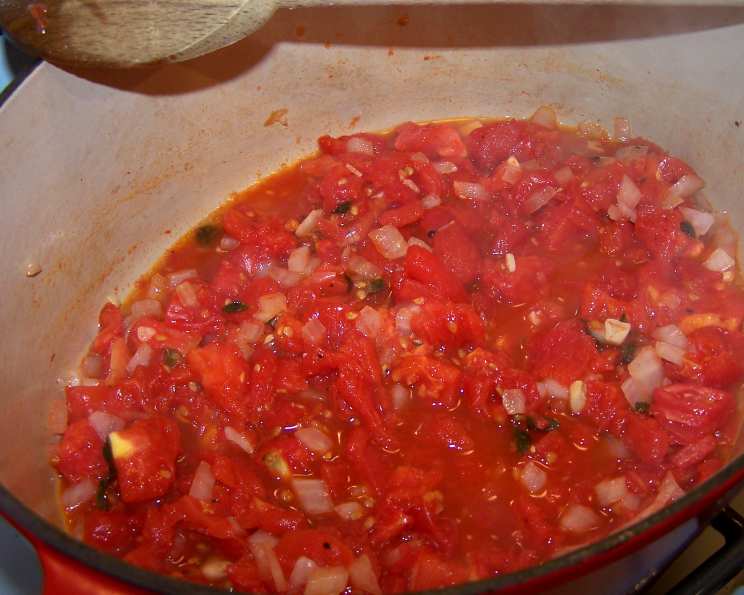
Combine and Simmer: Add the diced tomatoes and the fresh oregano sprig (or thyme sprig) to the pan with the shallots and garlic. Season generously with salt and freshly ground black pepper. Don’t be shy with the seasoning; it’s crucial for bringing out the tomato’s natural sweetness.
-
Cover and Cook: Cover the pan and simmer over low heat for about 20 minutes, or until the tomatoes are soft and most of the liquid has evaporated. Stir occasionally to prevent sticking. The goal is to achieve a thick, concentrated sauce.
-
Remove Aromatics and Adjust Seasoning: Once cooked, remove the garlic clove and the oregano (or thyme) sprig. Taste the tomato concasse and adjust the seasoning with more salt and pepper as needed. Remember that flavors tend to mellow as they cool, so a little extra seasoning at this stage is often beneficial.
-
Cool and Store: Transfer the tomato concasse to a tightly covered glass jar. Let it cool completely at room temperature before refrigerating.
-
Refrigerate: Store the cooled tomato concasse in the refrigerator. It will keep for up to two weeks.
-
Enjoy! Use it to elevate pasta dishes, bruschetta, omelets, or as a flavorful topping for grilled meats or fish.
Expert Tips & Tricks
- Tomato Selection: The quality of your tomatoes is paramount. Use the ripest, most flavorful tomatoes you can find, ideally in season. Roma or San Marzano tomatoes are excellent choices due to their meaty texture and low seed content.
- Flavor Enhancement: For a richer flavor, add a pinch of sugar or a splash of balsamic vinegar during the simmering process. A bay leaf added along with the herbs can also impart a subtle, earthy note.
- Texture Control: If you prefer a smoother concasse, you can briefly pulse it in a food processor or blender after cooking. However, be careful not to over-process it; you still want some texture.
- Garlic Infusion: For a more intense garlic flavor, you can crush the unpeeled garlic clove before adding it to the pan.
- Shallot Substitute: If you don’t have shallots, you can use yellow onion, but use less of it (about half the amount) to avoid overpowering the tomato flavor.
- Herb Options: While oregano and thyme are classic choices, you can experiment with other herbs like basil, marjoram, or rosemary, depending on your preference.
- Make Ahead: Tomato concasse is a great make-ahead component. It actually benefits from sitting for a day or two, allowing the flavors to meld together even further.
Serving & Storage Suggestions
Tomato concasse is incredibly versatile. Serve it warm over pasta, spoon it onto grilled bread for bruschetta, or use it as a base for homemade pizza. It also makes a fantastic topping for scrambled eggs, omelets, or frittatas. You can even use it as a flavorful addition to soups and stews.
Store leftover tomato concasse in an airtight container in the refrigerator for up to two weeks. It can also be frozen for longer storage (up to 2-3 months). To reheat, simply warm it gently in a saucepan over low heat, stirring occasionally. If frozen, thaw it completely in the refrigerator before reheating.
Nutritional Information
| Nutrient | Amount per Serving | % Daily Value |
|---|---|---|
| Calories | 100 kcal | 5% |
| Total Fat | 2g | 3% |
| Saturated Fat | 0g | 0% |
| Cholesterol | 0mg | 0% |
| Sodium | 50mg | 2% |
| Total Carbohydrate | 18g | 6% |
| Dietary Fiber | 3g | 12% |
| Sugars | 8g | – |
| Protein | 3g | 6% |
Note: Nutritional information is an estimate and may vary based on specific ingredients and portion sizes.
Variations & Substitutions
- Spicy Concasse: Add a pinch of red pepper flakes or a finely chopped chili pepper to the pan along with the shallots for a spicy kick.
- Roasted Garlic Concasse: Roast the garlic clove in the oven until soft and caramelized before adding it to the pan for a sweeter, more mellow garlic flavor.
- Wine-Infused Concasse: Deglaze the pan with a splash of dry red or white wine after sautéing the shallots for added depth of flavor.
- Smoked Paprika Concasse: Add a teaspoon of smoked paprika along with the herbs for a smoky and savory twist.
- Heirloom Tomato Concasse: Use a mix of colorful heirloom tomatoes for a visually stunning and intensely flavorful concasse.
- Cherry Tomato Concasse: Substitute the Roma or San Marzano tomatoes with halved cherry tomatoes for a sweeter and more vibrant concasse.
- Low-Sodium Concasse: Reduce the amount of salt or use a salt substitute to lower the sodium content.
FAQs (Frequently Asked Questions)
Q: Why is blanching the tomatoes necessary?
A: Blanching helps to loosen the skin of the tomatoes, making them easier to peel. This results in a smoother and more refined final product.
Q: Can I use canned tomatoes instead of fresh?
A: While fresh tomatoes are ideal, you can use canned diced tomatoes in a pinch. Be sure to drain them well before adding them to the pan and adjust the cooking time accordingly.
Q: How long does tomato concasse last in the freezer?
A: Tomato concasse can be stored in the freezer for up to 2-3 months in an airtight container.
Q: Can I add other vegetables to the concasse?
A: Yes, you can add other vegetables like bell peppers, zucchini, or eggplant to the pan along with the tomatoes for added flavor and nutrition.
Q: What is the best way to reheat frozen tomato concasse?
A: Thaw the concasse completely in the refrigerator before reheating it gently in a saucepan over low heat, stirring occasionally. You may need to add a splash of water if it seems too dry.
Final Thoughts
Now you’re equipped to create a truly exceptional tomato concasse! It’s a simple dish, yes, but the depth of flavor you can achieve with just a few fresh ingredients is truly remarkable. Don’t be afraid to experiment with different herbs, spices, and techniques to create your own signature version. I encourage you to gather your ingredients, put on some music, and enjoy the process of transforming humble tomatoes into a culinary masterpiece. And most importantly, share your creations with friends and family. Food is best enjoyed in good company. Bon appétit!