
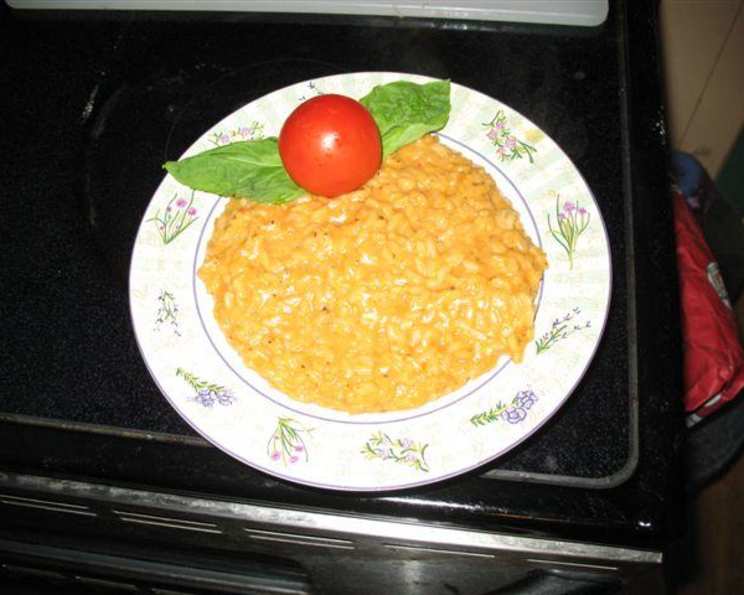
Tomato Risotto: A Taste of Italian Comfort
I remember the first time I tasted true risotto. It was in a tiny trattoria tucked away on a quiet street in Florence. The air was thick with the aroma of garlic and simmering herbs, and the nonna in the kitchen seemed to infuse every dish with a little bit of her soul. That first spoonful of creamy, perfectly textured risotto was a revelation – a simple dish elevated to something truly special. Since then, I’ve been on a quest to recreate that magic in my own kitchen, and this tomato risotto is a warm, inviting step in that direction.
Recipe Overview
- Prep Time: 5 minutes
- Cook Time: 25 minutes
- Total Time: 30 minutes
- Servings: 4
- Dietary Type: Vegetarian
Ingredients
- 3 tablespoons butter
- 5 green onions, cut into 1/2-inch lengths (about 1 cup)
- 1 1/2 cups Arborio rice or 1 1/2 cups medium-grain white rice, uncooked
- 14 1/2 ounces chicken broth
- 14 1/2 ounces diced tomatoes with green pepper, celery, and onion, undrained
- 3/4 cup Parmesan cheese, grated (plus extra for serving, optional)
- 1/4 teaspoon salt
- 1/4 teaspoon ground black pepper
Equipment Needed
- Large skillet
- Measuring cups and spoons
- Stirring spoon
Instructions
- In a large skillet over medium heat, melt the butter. Make sure the skillet is large enough to accommodate all the ingredients.
- Add the green onions to the melted butter. Cook and stir for one minute until the onions begin to soften and become fragrant.
- Add the Arborio rice (or medium-grain white rice) to the skillet. Stir frequently and cook for 2 minutes. This step toasts the rice, which helps develop its nutty flavor and prevents it from becoming mushy.
- Pour in the chicken broth and add the undrained diced tomatoes with green pepper, celery, and onion. Be careful as the mixture may splatter a little when the broth is added.
- Bring the mixture to a boil. Once boiling, cover the skillet and reduce the heat to low.
- Simmer for 20 minutes, stirring occasionally. This is crucial to prevent the rice from sticking to the bottom of the pan and burning.
- Uncover the skillet and simmer for an additional 5 minutes, stirring occasionally, until most of the liquid has been absorbed and the rice is creamy but still slightly al dente. The risotto should be loose and flowing, not dry.
- Remove the skillet from the heat. Stir in the grated Parmesan cheese, salt, and black pepper. The Parmesan will melt into the risotto, creating a rich and savory flavor.
- Serve immediately, garnished with extra Parmesan cheese, if desired. Risotto is best enjoyed fresh, as it can become thicker and less creamy as it cools.
Expert Tips & Tricks
- Use high-quality chicken broth. The flavor of the broth will significantly impact the overall taste of the risotto. Homemade broth is always best, but a good quality store-bought broth will also work well.
- Don’t rinse the rice. The starch on the outside of the Arborio rice is what gives risotto its creamy texture. Rinsing the rice will remove this starch, resulting in a less creamy dish.
- Stir frequently. Stirring the risotto helps to release the starch from the rice and create a creamy texture. Be sure to stir regularly, especially during the simmering process.
- Adjust the liquid. If the risotto is becoming too dry before the rice is cooked through, add a little more broth, about 1/4 cup at a time. Conversely, if the risotto is too watery, continue to simmer it uncovered for a few more minutes to allow the excess liquid to evaporate.
- Get the “all’onda” texture. The ideal risotto consistency is known as “all’onda,” meaning “wavy” in Italian. It should flow easily from a spoon and spread out slightly on a plate.
Serving & Storage Suggestions
Serve the tomato risotto immediately while it’s hot and creamy. A sprinkle of freshly grated Parmesan cheese and a drizzle of extra virgin olive oil add a final touch of elegance. A side of crusty bread is perfect for soaking up the delicious sauce.
Leftover risotto can be stored in an airtight container in the refrigerator for up to 2 days. To reheat, add a splash of broth or water and warm gently over low heat, stirring frequently, until heated through. You can also reheat it in the microwave in short bursts, stirring in between. The texture may not be quite as creamy as when freshly made, but it will still be delicious.
Freezing risotto is not recommended, as the texture can change significantly and become mushy upon thawing.
Nutritional Information
| Nutrient | Amount per Serving | % Daily Value |
|---|---|---|
| Calories | 449.4 kcal | N/A |
| Calories from Fat | 135 g | 30% |
| Total Fat | 15.1 g | 23% |
| Saturated Fat | 9 g | 45% |
| Cholesterol | 39.4 mg | 13% |
| Sodium | 843 mg | 35% |
| Total Carbohydrate | 62 g | 20% |
| Dietary Fiber | 2.6 g | 10% |
| Sugars | 0.9 g | 3% |
| Protein | 14.7 g | 29% |
Note: Nutritional information is an estimate and may vary based on specific ingredients and portion sizes.
Variations & Substitutions
- Vegan Tomato Risotto: Substitute the butter with olive oil and the chicken broth with vegetable broth. Use a vegan Parmesan cheese alternative or nutritional yeast for a cheesy flavor.
- Spicy Tomato Risotto: Add a pinch of red pepper flakes or a dash of your favorite hot sauce to the risotto while it’s simmering for a spicy kick.
- Seafood Tomato Risotto: Add cooked shrimp, scallops, or mussels to the risotto during the last few minutes of cooking for a seafood-infused twist.
- Mushroom Tomato Risotto: Sauté sliced mushrooms (such as cremini, shiitake, or oyster mushrooms) with the green onions at the beginning of the recipe for an earthy flavor.
- Different Cheeses: Experiment with different cheeses like Asiago, Pecorino Romano, or even a creamy goat cheese for a unique flavor profile. Add the cheese at the end of cooking, just like the Parmesan.
- Fresh Herbs: Stir in fresh herbs like basil, oregano, or thyme at the end of cooking for a bright, aromatic flavor.
FAQs (Frequently Asked Questions)
Q: Can I use regular long-grain rice for risotto?
A: While you can use other types of rice, Arborio rice is the best choice for risotto due to its high starch content, which creates the creamy texture. Medium-grain white rice is an acceptable substitute, but long-grain rice will not produce the same result.
Q: How do I know when the risotto is done?
A: The risotto is done when the rice is cooked through but still slightly al dente, and the mixture is creamy and flowing. It should not be mushy or dry.
Q: Can I make risotto ahead of time?
A: Risotto is best served immediately, but you can prepare some components in advance. For example, you can chop the green onions and measure out the rice ahead of time. You can also make the risotto up to the point where you add the Parmesan cheese, then refrigerate it and finish cooking it just before serving.
Q: What if my risotto is too thick?
A: If the risotto is too thick, add a little more broth or water, about 1/4 cup at a time, and stir until it reaches the desired consistency.
Q: What if my risotto is too watery?
A: If the risotto is too watery, continue to simmer it uncovered for a few more minutes to allow the excess liquid to evaporate.
Final Thoughts
Tomato risotto is a delightful and versatile dish that’s perfect for a comforting weeknight meal or an elegant dinner party. With its creamy texture, savory flavor, and endless possibilities for customization, it’s sure to become a favorite in your kitchen. So, gather your ingredients, put on some Italian music, and prepare to be transported to the heart of Italy with every delicious bite. I encourage you to experiment with different variations and flavors to create your own signature risotto. And don’t forget to share your feedback and creations! Buon appetito!