
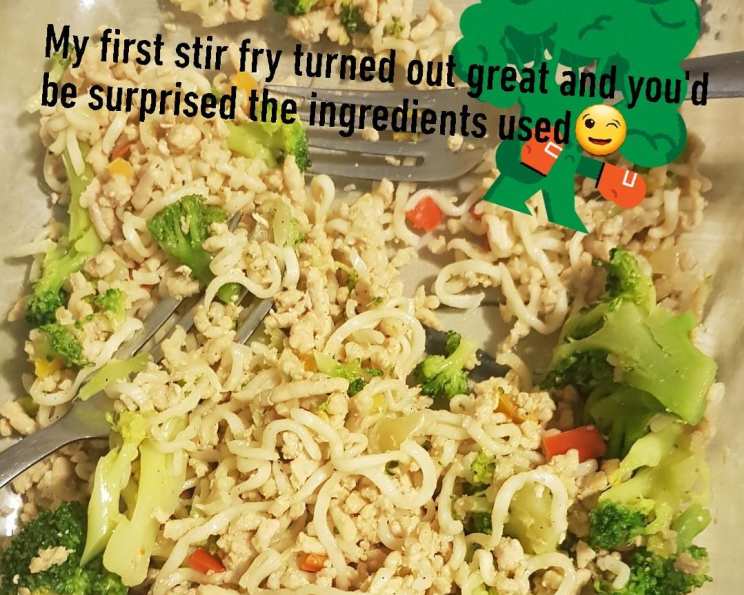
Top Ramen Chow Mein: A Budget-Friendly Culinary Adventure
My first encounter with Top Ramen wasn’t in a bowl of soup. It was, surprisingly, at a potluck. A family friend, known for her resourcefulness and incredible knack for making something out of nothing, brought a dish that looked suspiciously like chow mein. The aroma was intoxicating – a savory blend of soy sauce, toasted noodles, and fresh vegetables. After a hesitant bite, I was hooked. This wasn’t just ramen; it was a culinary revelation, a testament to how simple ingredients, transformed with a little creativity, could create something truly satisfying. This Top Ramen Chow Mein brings me right back to that memory, and I’m excited to share this delicious and easy recipe with you.
Recipe Overview
- Prep Time: 15 minutes
- Cook Time: 15 minutes
- Total Time: 30 minutes
- Servings: 3
- Yield: About 4 cups
- Dietary Type: Adaptable (see variations)
Ingredients
- 6 ounces ramen noodles (2 packages, any flavor)
- 2 carrots, diced in bite-sized pieces
- 1 broccoli crown, cut into bite-sized pieces
- 2 celery ribs, chopped
- 1 cup cooked chicken breast (or cooked pork chop, or any leftover cooked meat), diced
- 1 tablespoon canola oil
- 1 seasoning packet from the ramen (only use one!)
- Soy sauce, for drizzling (optional)
Equipment Needed
- Medium-sized pot
- Large skillet or wok
- Colander
Instructions
-
Bring a pot of water to a boil. Add the diced carrots, broccoli florets, and chopped celery. Cook the vegetables until they are just tender-crisp, about 3-5 minutes. You want them to retain a bit of bite. Drain the vegetables and set aside.
-
In a separate pot, bring fresh water to a boil. Add the ramen noodles and cook for 3-4 minutes, or until they are pliable but not completely soft. Drain the noodles in a colander, shaking off excess water.
-
Heat the canola oil in a large skillet or wok over medium-high heat. Once the oil is shimmering, add the drained ramen noodles.
-
As the noodles begin to sizzle in the skillet, open one packet of the ramen seasoning. Sprinkle the seasoning evenly over the noodles. Using both seasoning packets will likely result in an overly salty dish.
-
Stir the noodles occasionally, allowing them to brown and crisp up slightly on the bottom. This toasting process adds a wonderful textural element to the dish. Be careful not to burn them.
-
Add the cooked vegetables and diced meat to the skillet with the noodles.
-
Drizzle the mixture lightly with soy sauce (if desired). Start with a small amount and add more to taste. Remember that the ramen seasoning already contains a significant amount of sodium.
-
Cook for a few more minutes, stirring constantly, until the vegetables are tender and the noodles are evenly seasoned and heated through. The meat should also be warmed through at this point.
-
Serve the Top Ramen Chow Mein immediately and enjoy!
Expert Tips & Tricks
- Don’t overcook the vegetables: The key to good chow mein is having vegetables with a slight crunch. Blanching them ensures they retain their texture.
- Toast the noodles: Don’t skip the step of toasting the noodles in the skillet. This adds a nutty flavor and a delightful crispness that elevates the dish.
- Seasoning Control: Start with less soy sauce than you think you need. You can always add more, but you can’t take it away.
- Meat Preparation: Make sure the meat you are using is already cooked. This is a great way to use up leftovers. If you are using raw meat, cook it separately before adding it to the noodles and vegetables.
- Customize Your Veggies: Feel free to experiment with different vegetables based on what you have on hand or what’s in season. Bell peppers, mushrooms, snow peas, and bean sprouts would all be great additions.
Serving & Storage Suggestions
Serve the Top Ramen Chow Mein hot, straight from the skillet. Garnish with a sprinkle of sesame seeds or chopped green onions for added flavor and visual appeal.
Leftovers can be stored in an airtight container in the refrigerator for up to 3 days. Reheat in a skillet over medium heat, adding a splash of water or broth to prevent the noodles from drying out. The texture of the noodles may soften slightly upon reheating. It is not recommended to freeze this dish as the noodles can become mushy.
Nutritional Information
(Estimated per serving)
| Nutrient | Amount per Serving | % Daily Value |
|---|---|---|
| Calories | 378 kcal | 19% |
| Total Fat | 14.4 g | 22% |
| Saturated Fat | 4.7 g | 24% |
| Cholesterol | 0 mg | 0% |
| Sodium | 1271 mg | 53% |
| Total Carbohydrate | 54.1 g | 18% |
| Dietary Fiber | 8.1 g | 32% |
| Sugars | 6.8 g | 27% |
| Protein | 12.2 g | 24% |
Variations & Substitutions
- Vegetarian/Vegan: Omit the meat and add tofu, tempeh, or extra vegetables. Ensure your ramen seasoning is vegetarian.
- Gluten-Free: Use gluten-free ramen noodles (often made from rice flour) and gluten-free soy sauce (tamari).
- Spicy: Add a pinch of red pepper flakes, a drizzle of sriracha, or a splash of chili garlic sauce to the skillet for some heat.
- Seafood: Substitute the chicken or pork with shrimp, scallops, or other seafood.
- Flavor Boost: Add a teaspoon of grated ginger or minced garlic to the oil before adding the noodles for a more intense flavor.
- Sauce Enhancement: Instead of soy sauce, try using teriyaki sauce, hoisin sauce, or even a simple mixture of soy sauce, sesame oil, and a touch of rice vinegar.
FAQs (Frequently Asked Questions)
Q: Can I use any flavor of ramen noodles for this recipe?
A: Yes, you can use any flavor you like! Chicken, beef, or shrimp ramen all work well. Just keep in mind that the flavor will influence the overall taste of the dish.
Q: Can I use frozen vegetables instead of fresh?
A: Yes, frozen vegetables can be used. Thaw them slightly before adding them to the skillet to prevent the noodles from becoming soggy.
Q: Is it necessary to toast the noodles?
A: While not strictly necessary, toasting the noodles adds a delicious flavor and texture that significantly enhances the dish. I highly recommend it.
Q: Can I make this ahead of time?
A: It’s best to serve this dish immediately after cooking. However, you can prep the vegetables and cook the meat ahead of time to save time when you’re ready to assemble the dish.
Q: What if I don’t have canola oil?
A: Any neutral-flavored oil with a high smoke point, such as vegetable oil, peanut oil, or grapeseed oil, can be used in place of canola oil.
Final Thoughts
Top Ramen Chow Mein is more than just a budget-friendly meal; it’s a canvas for culinary creativity. Whether you’re a seasoned chef or a beginner in the kitchen, this recipe is a fun and accessible way to explore new flavors and techniques. Don’t be afraid to experiment with different ingredients and seasonings to create your own unique version of this classic comfort food. So go ahead, grab a package of ramen, raid your fridge for leftover veggies and protein, and embark on a culinary adventure. I’m confident you’ll be pleasantly surprised by the deliciousness you can create with such simple ingredients. Enjoy!