
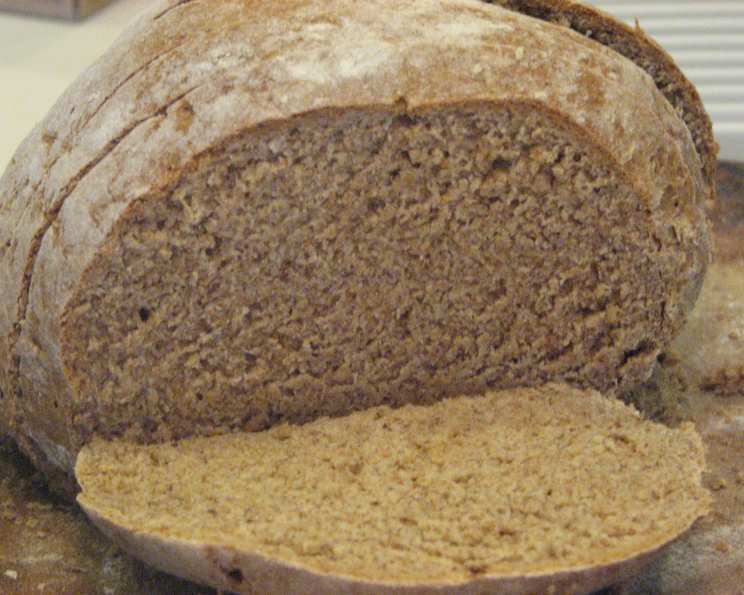
Traditional Brown Irish Soda Bread
The smell of baking bread… it instantly transports me back to my grandmother’s tiny cottage in County Clare. The peat fire crackled in the hearth, a kettle whistled on the hob, and a warm, earthy aroma permeated the air as a loaf of brown soda bread emerged from her ancient oven. She’d slather a thick slab with creamy Irish butter and hand it to me, the simple flavors a pure taste of home. Every bite was a memory, a hug from across the miles.
Recipe Overview
- Prep Time: 10 minutes
- Cook Time: 40-45 minutes
- Total Time: 50-55 minutes
- Yield: 1 loaf
- Dietary Type: Vegetarian
Ingredients
- 3 cups whole wheat flour
- 1 cup all-purpose flour
- 15 g wheat germ (approximately 1/8 cup)
- 500 ml 2% buttermilk
- 1 teaspoon baking soda
- ½ teaspoon salt
Equipment Needed
- Large mixing bowl
- Measuring cups and spoons
- Baking sheet
- Cooling rack
Instructions
- Begin by preheating your oven to 375-400°F (190-200°C). Position a rack in the center of the oven.
- In a large mixing bowl, sieve together the salt, baking soda, and all-purpose flour. This ensures even distribution of the leavening agents, resulting in a lighter, more even crumb.
- Mix in the whole wheat flour and wheat germ. The wheat germ adds a nutty flavor and a boost of nutrients to the bread.
- Gradually add the buttermilk, mixing until a soft dough forms. Be careful not to overmix; the dough should be slightly sticky. The acidity in the buttermilk activates the baking soda, creating the rise in this bread.
- Turn the dough out onto a lightly floured surface. Gently knead the dough until it just comes together. Over-kneading will result in a tough bread. The goal here is just to form a cohesive mass.
- Place the dough on a floured baking sheet and shape it into a round loaf, approximately 10 inches in diameter. A slightly rustic shape is perfectly acceptable – this bread is all about simplicity.
- Using a sharp knife, cut a deep cross into the top of the loaf. This helps the bread to bake evenly and prevents it from cracking unevenly.
- Place the baking sheet in the preheated oven and bake for 40 to 45 minutes.
- To check for doneness, tap the bottom of the loaf. If it sounds hollow, the bread is ready. If it sounds dull, return it to the oven for a few more minutes.
- Once baked, transfer the bread to a cooling rack to cool completely. Alternatively, for a softer crust, wrap the loaf in a clean, dry tea towel while it cools.
Expert Tips & Tricks
- Buttermilk Substitute: If you don’t have buttermilk, you can make a quick substitute by adding 1 tablespoon of lemon juice or white vinegar to regular milk and letting it sit for 5 minutes until slightly thickened.
- Flour Power: The amount of flour needed may vary slightly depending on the humidity and the type of flour used. Add flour or buttermilk gradually until the dough reaches the desired consistency.
- Oven Considerations: All ovens bake differently. Keep a close eye on the bread during the last 15 minutes of baking time and adjust the temperature if necessary to prevent burning. If the top is browning too quickly, tent it loosely with foil.
- The Knead for Speed: Remember, over-kneading this dough will result in a tough loaf. The goal is simply to bring the ingredients together.
- Make Ahead: You can mix the dry ingredients ahead of time and store them in an airtight container. When ready to bake, simply add the buttermilk.
Serving & Storage Suggestions
Brown Irish Soda Bread is best enjoyed fresh, ideally within a day or two of baking. Serve it warm, sliced, and slathered with butter, jam, or honey. It’s a fantastic accompaniment to soups, stews, or salads. I particularly enjoy it with smoked salmon and cream cheese – a delightful combination of flavors.
To store, wrap the cooled loaf tightly in plastic wrap or place it in an airtight container. It will keep at room temperature for 2-3 days. For longer storage, you can freeze the bread for up to 2 months. Thaw it completely before slicing and serving. To refresh a day-old loaf, lightly toast the slices or warm them in a low oven.
Nutritional Information
| Nutrient | Amount per Serving (approx. 1/8 of loaf) | % Daily Value* |
|---|---|---|
| Calories | 243 kcal | 12% |
| Total Fat | 3.1 g | 4% |
| Saturated Fat | 0.8 g | 4% |
| Cholesterol | 1.3 mg | <1% |
| Sodium | 372 mg | 16% |
| Total Carbohydrate | 53.4 g | 19% |
| Dietary Fiber | 5.5 g | 20% |
| Sugars | 3.3 g | – |
| Protein | 10.1 g | 20% |
*Percent Daily Values are based on a 2,000 calorie diet.
Variations & Substitutions
- Sweet Soda Bread: Add 1/4 cup of sugar and 1/2 cup of raisins or currants to the dough for a sweeter version.
- Herbaceous Twist: Incorporate fresh herbs like rosemary, thyme, or chives into the dough for a savory flavor.
- Gluten-Free Option: Substitute the all-purpose flour with a gluten-free all-purpose blend. You may need to adjust the amount of liquid to achieve the correct dough consistency.
- Dairy-Free: Replace the buttermilk with a mixture of non-dairy milk (like almond or soy milk) and a tablespoon of lemon juice or apple cider vinegar.
- Seeded Sensation: Add a mixture of seeds (sunflower, pumpkin, flax) to the dough for added texture and nutrition.
FAQs (Frequently Asked Questions)
Q: Why is my soda bread dense and heavy?
A: Overmixing the dough is the most common cause of dense soda bread. Mix the ingredients until just combined. Also, using old baking soda can affect the rise.
Q: Can I use regular milk instead of buttermilk?
A: While buttermilk is ideal, you can substitute it by adding 1 tablespoon of lemon juice or white vinegar to regular milk per cup and letting it sit for 5 minutes to slightly curdle.
Q: How do I prevent the bottom of the bread from burning?
A: Place a baking sheet on the rack below the one holding the bread to deflect some of the heat.
Q: Can I freeze soda bread?
A: Yes, soda bread freezes well. Wrap the cooled loaf tightly in plastic wrap and then in foil before freezing for up to 2 months.
Q: What is the best way to reheat soda bread?
A: You can reheat slices in a toaster or warm the entire loaf in a low oven (300°F) for about 10-15 minutes.
Final Thoughts
This Traditional Brown Irish Soda Bread is more than just a recipe; it’s a connection to a rich culinary heritage. The simple ingredients and straightforward method make it accessible to bakers of all skill levels. Don’t be intimidated – embrace the rustic charm and enjoy the process. I encourage you to try this recipe, share it with loved ones, and let the comforting aroma fill your home. Whether you serve it alongside a hearty stew or simply spread it with butter, this bread is sure to bring a taste of Ireland to your table. Let me know how it turns out, and don’t be afraid to experiment with variations to make it your own!