
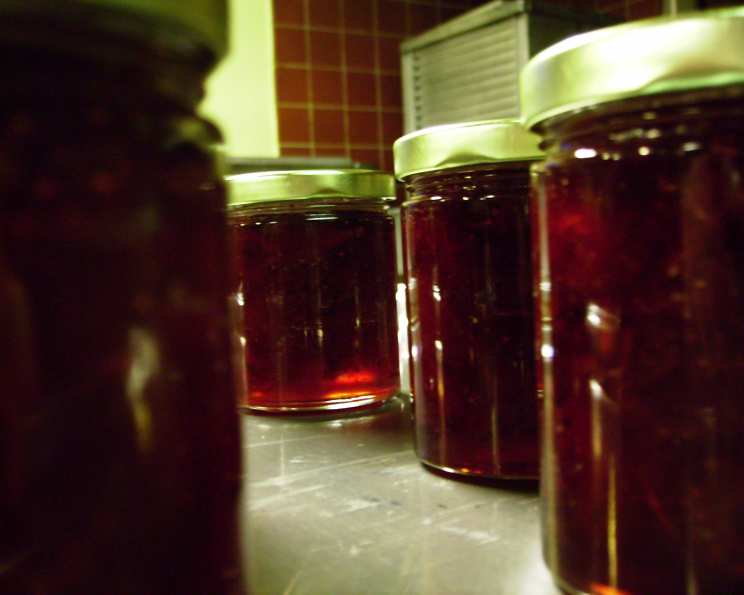
Traditional Devon Cream Tea Strawberry Conserve
My grandmother, a woman with hands perpetually dusted in flour and a heart brimming with love, always had a jar of strawberry conserve nestled amongst her homemade jams. I remember, as a child, sneaking spoonfuls of the bright red preserve, the sweet burst of summer strawberries a perfect counterpoint to the clotted cream and warm scones that were a staple in her kitchen. It wasn’t just jam; it was a taste of sunshine, family, and the simple pleasures of a Devon cream tea. This recipe, passed down through generations, evokes those cherished memories with every bite.
Recipe Overview
- Prep Time: 48 hours 10 minutes
- Cook Time: 25 minutes
- Total Time: 48 hours 35 minutes
- Yields: 3 lb Jars
- Dietary Type: Vegetarian
Ingredients
- 2 lbs small strawberries, left whole, or 2 lbs large strawberries, halved
- 2 lbs sugar, or 2 lbs preserving sugar
- 1 lemon, juice of (only if using regular sugar)
Equipment Needed
- Large, non-metallic bowl
- Large saucepan (ideally a preserving pan)
- Wooden spoon
- Sterilized jars with lids
Instructions
-
In a large, non-metallic bowl, create alternating layers of the cleaned and hulled strawberries and the sugar. If you are using standard granulated sugar, add the juice of 1 lemon. Preserving sugar already contains pectin, so the lemon juice is unnecessary. Cover the bowl and let it stand at room temperature for 24 hours. This maceration process draws out the strawberry juices and allows the sugar to dissolve, creating a flavorful syrup base.
-
The next day, transfer the strawberry and sugar mixture to a large saucepan. Place over low heat and bring slowly to a simmer, stirring gently to ensure the sugar is fully dissolved and nothing sticks to the bottom of the pan. Simmer for 5 minutes, allowing the fruit to soften slightly.
-
Pour the mixture back into the non-metallic bowl, cover, and let it stand again at room temperature for another 24 hours. This second maceration further enhances the flavor and helps to break down the fruit.
-
On the third day, transfer the mixture to a preserving pan or large, heavy-bottomed saucepan. Bring the mixture to a rolling boil over medium-high heat. It is crucial to stir frequently at this stage to prevent sticking and burning.
-
Continue to boil rapidly until the setting point is reached, which typically takes about 10 minutes. Test for setting point by placing a small spoonful of the jam onto a chilled plate. Let it cool for a moment. If it wrinkles when you push it with your finger, it has reached the setting point. If not, continue boiling for a few more minutes and test again. Using a thermometer, the setting point is 220°F (104°C).
-
Remove the pan from the heat and let the conserve cool slightly for about 15 minutes. This allows the fruit to distribute more evenly throughout the jam and prevents it from floating to the top of the jars. During the cooling process, the jam will begin to thicken, indicating it is ready for jarring.
-
Stir the conserve gently one more time to ensure the fruit is evenly suspended in the jammy syrup. Ladle the hot conserve into the prepared hot sterilized jars, leaving about ¼ inch of headspace at the top.
-
Wipe the rims of the jars clean with a damp cloth and immediately place the lids on top. Secure the lids with the bands.
-
Process the jars in a boiling water bath for 10 minutes to ensure proper sealing for long-term storage. If you are not familiar with how to do a proper canning water bath, research it and follow all directions precisely to ensure no contamination.
-
Let the jars cool completely before checking the seals. If the lids have properly sealed, they will be slightly concave and will not flex when pressed. If any jars did not seal properly, refrigerate them and use the conserve within a few weeks.
Expert Tips & Tricks
- Use the Right Sugar: Preserving sugar contains pectin, which helps the jam set more reliably. If using regular granulated sugar, the lemon juice is essential for adding acidity and aiding the setting process.
- Don’t Overcook: Overcooking will result in a hard, rubbery jam. Test for setting point frequently during the final boiling stage.
- Sterilize Jars Properly: Proper sterilization is crucial for preventing mold and ensuring a long shelf life. Wash jars and lids in hot, soapy water, then sterilize them by boiling them in water for 10 minutes. Keep the jars hot until filling.
- Fruit Preparation: Be gentle when washing the strawberries. Avoid soaking them for too long, as they can absorb water and become mushy. Hull the strawberries carefully, trying to minimize any damage to the fruit.
- Prevent Floating Fruit: Cooling the jam slightly before jarring helps to prevent the fruit from floating to the top of the jars. Stirring gently before filling the jars also helps to distribute the fruit evenly.
Serving & Storage Suggestions
This strawberry conserve is a perfect accompaniment to scones, clotted cream, and a pot of tea, recreating the classic Devon cream tea experience. It’s also delicious on toast, croissants, or stirred into yogurt. For a more decadent treat, use it as a filling for Victoria sponge cake or as a topping for ice cream.
Store unopened jars of the conserve in a cool, dark place for up to one year. Once opened, refrigerate the jar and consume within a few weeks. Properly sealed jars do not require refrigeration until they are opened. Always use a clean spoon when scooping out the conserve to prevent contamination.
Nutritional Information
Please note that the following is an estimated nutritional information and may vary based on specific ingredients used.
| Nutrient | Amount per Serving | % Daily Value |
|---|---|---|
| Calories | 250 kcal | 13% |
| Total Fat | 0g | 0% |
| Saturated Fat | 0g | 0% |
| Cholesterol | 0mg | 0% |
| Sodium | 1mg | 0% |
| Total Carbohydrate | 65g | 24% |
| Dietary Fiber | 1g | 4% |
| Sugars | 60g | 120% |
| Protein | 0g | 0% |
Variations & Substitutions
- Other Berries: Feel free to experiment with other berries, such as raspberries, blueberries, or blackberries. Adjust the sugar and lemon juice accordingly based on the sweetness of the fruit.
- Spices: Add a touch of spice to the conserve for a unique flavor. A pinch of cinnamon, nutmeg, or ginger can add warmth and complexity.
- Citrus Zest: Incorporate the zest of a lemon, orange, or lime for a brighter, more aromatic conserve.
- Liqueur: A splash of liqueur, such as Grand Marnier or Kirsch, can add a sophisticated touch to the conserve. Add it after removing the pan from the heat, just before jarring.
FAQs (Frequently Asked Questions)
Q: Why do I need to let the strawberries and sugar stand for so long?
A: The maceration process draws out the natural juices from the strawberries, creating a richer, more flavorful syrup and softening the fruit for a better texture.
Q: Can I use frozen strawberries for this recipe?
A: While fresh strawberries are ideal, you can use frozen strawberries. Thaw them completely and drain any excess liquid before using. They may release more liquid during cooking, so you may need to cook the conserve for a longer period to reach the setting point.
Q: My jam didn’t set properly. What can I do?
A: If your jam is too runny, you can reboil it. Add a little more lemon juice (if you didn’t already), and bring it back to a boil, testing frequently until it reaches the setting point.
Q: How do I know if my jars are properly sterilized?
A: The best way to ensure proper sterilization is to boil the jars and lids in water for 10 minutes. You can also sterilize them in a dishwasher on a hot cycle.
Q: Can I reduce the amount of sugar in the recipe?
A: While you can reduce the sugar slightly, it is important to note that sugar acts as a preservative. Reducing it too much may affect the shelf life and setting point of the jam.
Final Thoughts
Creating this traditional Devon cream tea strawberry conserve is more than just following a recipe; it’s about preserving a piece of culinary history and sharing the warmth of homemade goodness. Don’t be intimidated by the 48-hour resting period. The end result is well worth the wait! So, gather your ingredients, channel your inner jam-maker, and create a batch of this delicious conserve. I encourage you to share your experience and savor the fruits of your labor!