
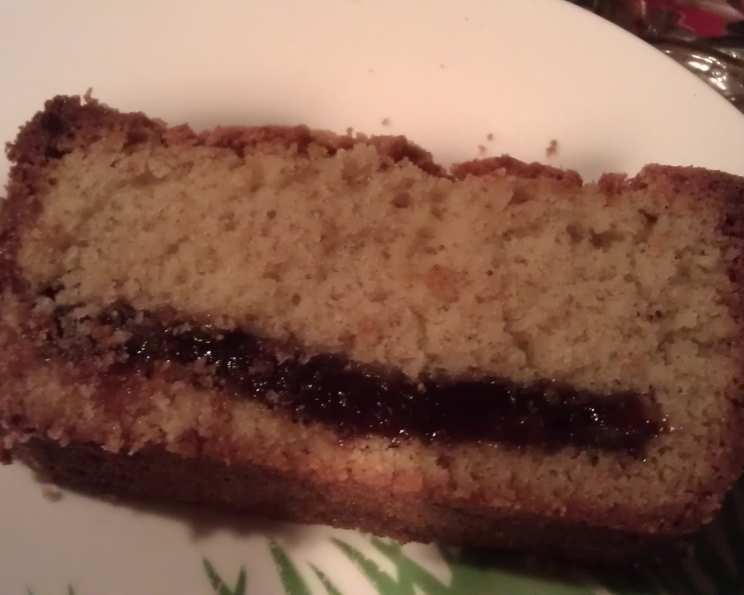
Traditional Guava Cake: A Taste of Island Sunshine
The memory is as vibrant as the cake itself: I’m a child, perched on a stool in my grandmother’s sun-drenched kitchen in Miami. The air hangs thick with the sweet, tropical aroma of guava and warm butter. Abuela, with her knowing smile and flour-dusted apron, pulls a golden-brown cake from the oven. It’s guava cake, a simple yet extraordinary creation that instantly transports me back to my roots. Each bite was an explosion of flavor, a sweet reminder of family, heritage, and the warmth of home. It’s a taste I’ve chased ever since, and I’m thrilled to share a version of that treasured recipe with you.
Recipe Overview
- Prep Time: 20 minutes
- Cook Time: 45-60 minutes
- Total Time: 1 hour 5-20 minutes
- Servings: 4-6
- Yield: 1 Cake
- Dietary Type: Not specified
Ingredients
- 12 tablespoons butter, softened
- 1 cup sugar
- 2 cups flour
- 2 eggs
- 1 teaspoon baking powder
- 1 teaspoon vanilla extract
- 10 ounces guava paste
Equipment Needed
- Oven
- Mixing bowls
- Electric mixer (optional, but recommended)
- Greased cake mold (round or square)
- Sifter (for flour and baking powder)
- Toothpick
Instructions
- Begin by preheating your oven to 350°F (175°C). Make sure the rack is in the center position for even baking.
- In a large mixing bowl, cream together the softened butter and sugar. It’s important to start with softened butter for a smooth, consistent batter. Gradually add the sugar, mixing until the mixture is light and fluffy. This step usually takes about 3-5 minutes with an electric mixer.
- Add the eggs one at a time, beating well after each addition. This helps to incorporate air into the batter, resulting in a lighter cake. Follow with the vanilla extract, mixing until just combined.
- In a separate bowl, sift together the flour and baking powder. Sifting ensures that the baking powder is evenly distributed throughout the flour and helps to eliminate any lumps, leading to a finer cake texture.
- Gradually add the flour mixture to the butter-sugar mixture, mixing until just combined. Be careful not to overmix the batter, as this can develop the gluten in the flour and result in a tough cake.
- Pour half of the batter into a greased cake mold. Ensure the mold is well-greased to prevent the cake from sticking. You can also lightly flour the mold after greasing for extra insurance.
- Slice the guava paste into thin pieces. Arrange the slices over the batter in the mold, ensuring that the entire surface is covered with guava.
- Pour the remaining batter over the guava paste, spreading it evenly to cover the guava slices completely.
- Bake for 45-60 minutes, or until a toothpick inserted into the center of the cake comes out clean. The baking time may vary depending on your oven, so it’s important to keep a close eye on the cake and check for doneness regularly.
- Once the cake is baked, remove it from the oven and let it cool in the mold for about 10-15 minutes before inverting it onto a wire rack to cool completely. This helps prevent the cake from sticking to the mold and breaking apart.
Expert Tips & Tricks
- Guava Paste Consistency: If your guava paste is too firm to slice easily, microwave it for a few seconds (about 10-15 seconds) to soften it slightly. Be careful not to overheat it, as it can become sticky and difficult to work with.
- Even Baking: To ensure even baking, rotate the cake halfway through the baking time. This helps to prevent one side of the cake from browning more quickly than the other.
- Preventing a Soggy Bottom: If you’re concerned about the bottom of the cake becoming soggy due to the guava paste, you can lightly dust the bottom of the mold with flour before pouring in the batter.
- Enhancing the Flavor: For an extra touch of flavor, consider adding a splash of rum or guava liqueur to the batter. This will enhance the tropical notes of the cake and add a subtle depth of flavor.
- Make-Ahead Tip: The guava cake can be made a day ahead of time. Once cooled, wrap it tightly in plastic wrap or store it in an airtight container at room temperature. This allows the flavors to meld together and makes it even more delicious.
Serving & Storage Suggestions
Serve the guava cake at room temperature or slightly warmed. It pairs perfectly with a cup of coffee or tea, or as a sweet ending to a tropical-inspired meal. You can also dust the cake with powdered sugar for a more elegant presentation.
To store any leftover guava cake, wrap it tightly in plastic wrap or place it in an airtight container. It will keep at room temperature for up to 3 days, in the refrigerator for up to a week, or in the freezer for up to 2 months. To reheat, simply warm individual slices in the microwave for a few seconds or in a preheated oven at 350°F (175°C) for about 5-10 minutes.
Nutritional Information
| Nutrient | Amount per Serving | % Daily Value (estimated) |
|---|---|---|
| Calories | 765.8 kcal | N/A |
| Calories from Fat | 337g | 44% |
| Total Fat | 37.5 g | 57% |
| Saturated Fat | 22.8 g | 113% |
| Cholesterol | 184.6 mg | 61% |
| Sodium | 432.3 mg | 18% |
| Total Carbohydrate | 98.3 g | 32% |
| Dietary Fiber | 1.7 g | 6% |
| Sugars | 50.3 g | N/A |
| Protein | 10 g | 19% |
Note: Nutritional information is an estimate and may vary based on specific ingredients and portion sizes.
Variations & Substitutions
- Gluten-Free Guava Cake: Substitute the all-purpose flour with a gluten-free blend. Be sure to add a binder like xanthan gum if your blend doesn’t already contain it.
- Dairy-Free Guava Cake: Replace the butter with a dairy-free butter substitute.
- Citrus Zest: Add the zest of one orange or lemon to the batter for a brighter flavor.
- Coconut Flakes: Sprinkle shredded coconut flakes on top of the cake before baking for a tropical twist.
- Spice It Up: Add a pinch of cinnamon or nutmeg to the batter for a warm, comforting flavor.
- Cream Cheese Swirl: Incorporate a cream cheese swirl by combining softened cream cheese with a little sugar and vanilla, then dolloping it over the batter before baking.
FAQs (Frequently Asked Questions)
Q: Can I use a different type of fruit paste?
A: While guava paste is traditional for this cake, you could experiment with other fruit pastes like quince or fig paste. Keep in mind that the flavor profile will be different.
Q: Can I freeze the guava cake?
A: Yes, guava cake freezes well. Wrap it tightly in plastic wrap and then in foil, or place it in an airtight container. It can be frozen for up to 2 months. Thaw overnight in the refrigerator before serving.
Q: My cake is browning too quickly. What should I do?
A: If the cake is browning too quickly, tent it with aluminum foil to prevent it from burning. This will allow the cake to continue baking without browning excessively.
Q: How do I prevent the guava paste from sinking to the bottom?
A: Tossing the sliced guava paste in a little flour before adding it to the batter can help prevent it from sinking. Also, ensure your batter is thick enough to support the weight of the guava paste.
Q: Can I make this cake in a muffin tin?
A: Yes, you can bake this cake in a muffin tin. Adjust the baking time accordingly, as muffins will bake faster than a full-sized cake. Start checking for doneness around 20-25 minutes.
Final Thoughts
This traditional guava cake is more than just a dessert; it’s a slice of sunshine, a taste of heritage, and a sweet reminder of the simple joys in life. It is a labor of love that brings joy and satisfaction when you are done. I hope this recipe inspires you to create your own memories and share this delicious treat with your loved ones. Don’t be afraid to experiment with variations and substitutions to make it your own. And most importantly, enjoy the process! Let me know how your guava cake turns out. I’d love to hear your feedback and any creative twists you add to this classic recipe. Pair it with a refreshing glass of iced coffee for the ultimate tropical indulgence.