
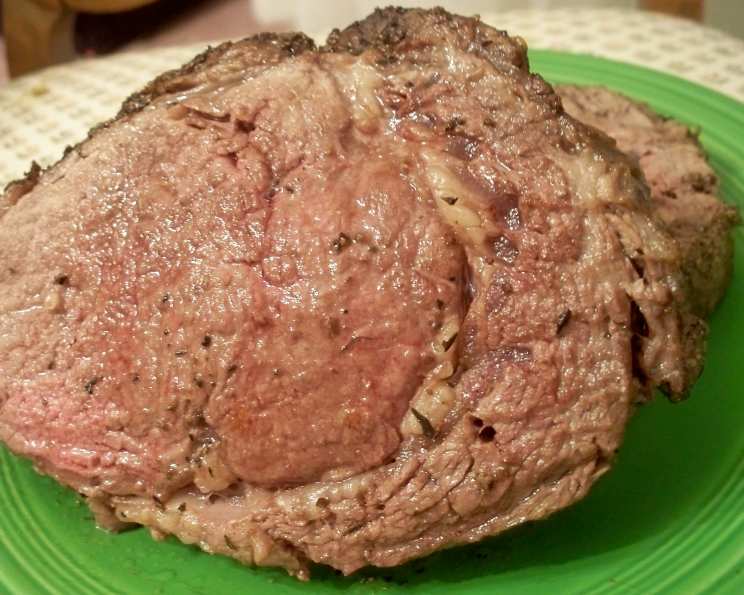
The Ultimate Guide to Traditional Prime Rib
The scent alone transports me back to childhood Christmases. The entire house would be filled with the savory, almost sweet aroma of roasting beef, a perfume that promised warmth, family, and unparalleled deliciousness. My grandfather, a man of few words but immense culinary talent, always presided over the prime rib, carving it with a practiced hand and a twinkle in his eye. It was more than just a meal; it was a tradition, a symbol of love and togetherness, etched forever in my memory.
Recipe Overview
- Prep Time: 20 minutes
- Cook Time: 2-3 hours (depending on desired doneness and roast size)
- Total Time: 2 hours 20 minutes to 3 hours 20 minutes (including resting time)
- Servings: 16-20
- Dietary Type: Carnivore/Keto-friendly
Ingredients
- 8 – 10 lbs boneless beef rib eye roast or 8 – 10 lbs bone-in beef rib roast, fat trimmed to 1/8-inch thick
Rub
- ¼ cup black pepper
- 2 tablespoons white pepper
- 2 tablespoons salt
- 1 ½ teaspoons ground thyme
- 1 ½ teaspoons garlic powder
- 1 teaspoon onion powder
Equipment Needed
- Shallow roasting pan
- Roasting rack
- Meat thermometer
- Aluminum foil
Instructions
-
Begin by preparing the flavorful rub. In a small bowl, combine the ¼ cup black pepper, 2 tablespoons white pepper, 2 tablespoons salt, 1 ½ teaspoons ground thyme, 1 ½ teaspoons garlic powder, and 1 teaspoon onion powder.
-
Thoroughly rub the spice mixture evenly over the entire surface of the beef rib roast. Ensure every inch is coated for maximum flavor penetration.
-
Place the seasoned roast in a preheated oven, fat side up, on a rack in a shallow roasting pan. It is absolutely critical DO NOT COVER OR ADD WATER to the pan. This will prevent the roast from developing a beautiful, crispy crust.
-
Insert a meat thermometer into the thickest part of the roast, being careful not to touch any bone or excessive fat, which can give a false reading. The thermometer is your key to achieving the perfect level of doneness.
-
Remove the roast from the oven when the thermometer reaches your desired internal temperature. Here’s a guide, keeping in mind the roast will continue to cook slightly while resting:
-
Beef Rib Roast (Bone-In, 8-10 lbs) in a 325°F oven:
- Medium-Rare (135°F): Roast for approximately 19-21 minutes per pound.
- Medium (150°F): Roast for approximately 23-25 minutes per pound.
-
Beef Rib Eye Roast (Boneless, 8-10 lbs) in a 350°F oven:
- Medium-Rare (135°F): Roast for approximately 13-15 minutes per pound.
- Medium (150°F): Roast for approximately 16-18 minutes per pound.
Note: Cooking times are approximate and can vary based on your oven. Always rely on the internal temperature as the most accurate indicator.
-
-
Let the roast stand, loosely tented with aluminum foil, for at least 15 minutes before carving. This allows the juices to redistribute throughout the meat, resulting in a more tender and flavorful final product. The internal temperature will rise an additional 5-10 degrees during this resting period.
-
Finally, carve the prime rib against the grain into slices of your desired thickness and serve immediately.
Expert Tips & Tricks
- Dry Brining: For even more intense flavor and a beautifully browned crust, consider dry brining the roast for 24-48 hours before cooking. Simply rub the roast with salt (about 1 teaspoon per pound) and place it uncovered on a wire rack in the refrigerator.
- The Sear: Some chefs prefer to sear the roast on all sides in a hot skillet before roasting to develop a deeper crust. While not strictly traditional, it adds another layer of flavor and texture.
- Herb Butter Boost: Just before resting, melt a compound butter (butter mixed with herbs like rosemary, thyme, and garlic) over the roast for added richness and aroma.
- Don’t Overcook!: The most common mistake is overcooking. Err on the side of caution and remove the roast when it’s slightly under your desired temperature, as it will continue to cook while resting.
- Fat is Flavor: While trimming excess fat is important, don’t remove it all. The fat renders during cooking, basting the roast from the inside out and contributing to its succulence.
Serving & Storage Suggestions
Serve the prime rib hot, ideally with classic accompaniments like horseradish sauce, au jus (made from the pan drippings), roasted potatoes, and steamed asparagus or green beans. The richness of the beef is beautifully balanced by the sharpness of horseradish and the freshness of green vegetables.
Leftover prime rib can be stored in an airtight container in the refrigerator for up to 3-4 days. For longer storage, freeze it in freezer-safe bags or containers for up to 2-3 months.
To reheat, gently warm the slices in a low oven (around 250°F) with a little beef broth or au jus to prevent them from drying out. Alternatively, you can quickly sear the slices in a hot skillet for a crispy exterior.
Nutritional Information
| Nutrient | Amount per Serving | % Daily Value |
|---|---|---|
| Calories | 629.8 kcal | N/A |
| Calories from Fat | 451 g | 72% |
| Total Fat | 50.1 g | 77% |
| Saturated Fat | 20.4 g | 102% |
| Cholesterol | 154.2 mg | 51% |
| Sodium | 1000 mg | 41% |
| Total Carbohydrate | 2 g | 0% |
| Dietary Fiber | 0.7 g | 2% |
| Sugars | 0.1 g | 0% |
| Protein | 40 g | 80% |
Note: Nutritional information is an estimate and may vary based on specific ingredients and preparation methods.
Variations & Substitutions
- Herb Crust: For a bolder flavor profile, create an herb crust by mixing chopped fresh herbs (rosemary, thyme, parsley) with breadcrumbs, garlic, and olive oil. Press the mixture onto the roast before cooking.
- Garlic Infusion: Stud the roast with cloves of garlic before seasoning for an extra garlicky kick.
- Spice Variations: Experiment with different spices in the rub, such as smoked paprika, chili powder, or coriander.
- Wine Reduction: Instead of au jus, create a rich wine reduction sauce by deglazing the roasting pan with red wine after cooking the roast.
FAQs (Frequently Asked Questions)
Q: What is the best way to trim the fat on the roast?
A: Use a sharp knife to carefully trim the fat to about 1/8-inch thickness. This allows the fat to render properly without becoming overly greasy.
Q: How do I know when the roast is done?
A: Always use a meat thermometer! Insert it into the thickest part of the roast, avoiding bone or fat. Refer to the temperature guidelines for your desired level of doneness.
Q: Can I cook prime rib ahead of time?
A: While it’s best served fresh, you can cook the prime rib a day or two in advance. Let it cool completely, then wrap it tightly and refrigerate. Reheat gently in a low oven with some beef broth to prevent drying.
Q: What can I do with the pan drippings?
A: The pan drippings are liquid gold! Use them to make a delicious au jus or gravy. Simply strain the drippings, skim off any excess fat, and simmer with beef broth or red wine.
Q: How important is the resting time?
A: The resting time is crucial. It allows the juices to redistribute throughout the meat, resulting in a more tender and flavorful roast. Don’t skip this step!
Final Thoughts
The traditional prime rib is more than just a recipe; it’s a culinary centerpiece, a statement of celebration, and a delicious journey into flavor. Whether you’re preparing it for a holiday feast or a special occasion, take your time, follow the instructions carefully, and don’t be afraid to experiment with variations. The most important ingredient is love, so pour your heart into it, and I guarantee you’ll create a memorable dining experience for everyone. Serve it with a robust red wine like Cabernet Sauvignon or a creamy horseradish sauce, and savor every moment. Happy cooking!