
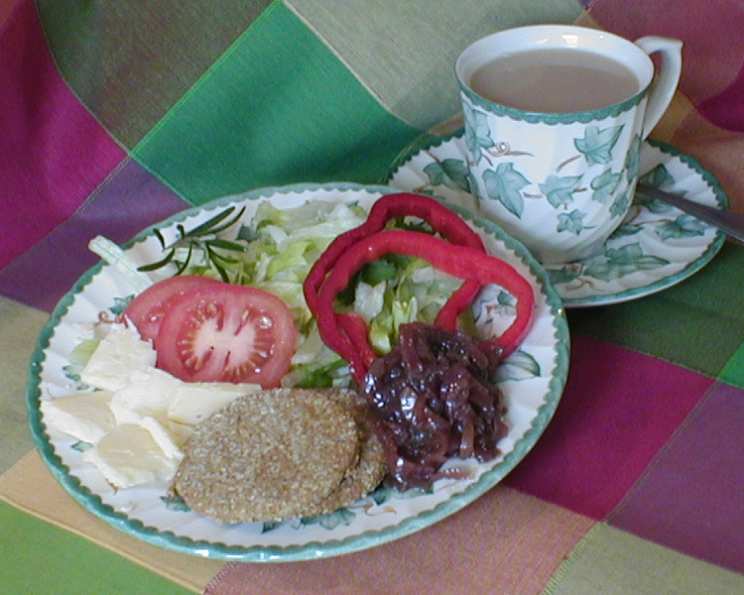
Traditional Scottish Oatcakes: A Taste of Home
The scent of warm oatcakes baking in the oven instantly transports me back to my grandmother’s kitchen in the Scottish Highlands. I remember sitting at her worn wooden table, watching her nimble hands work the dough, the rhythmic rolling pin a familiar sound against the backdrop of the crackling peat fire. The simple pleasure of a freshly baked oatcake, slathered with butter and a dollop of homemade jam, is a memory I cherish, a taste of home that never fails to bring a smile to my face. It’s a humble yet satisfying treat, a testament to the beauty of simple ingredients and traditional techniques.
Recipe Overview
- Prep Time: 15 minutes
- Cook Time: 10-15 minutes
- Total Time: 25-30 minutes
- Yields: 10-12 oatcakes
- Dietary Type: Vegetarian
Ingredients
- 60 g medium cut oatmeal
- 60 g wholemeal whole wheat flour
- ½ teaspoon bicarbonate of soda
- ¼ teaspoon sea salt
- 1 tablespoon lard
- 5 tablespoons boiling water
Equipment Needed
- Large mixing bowl
- Baking tray
- Greaseproof paper
- Rolling pin
- Cookie cutter or knife
- Wire rack
Instructions
- Preheat your oven to 200°C (400°F). Line a baking tray with greaseproof paper. This prevents sticking and ensures even baking.
- Melt the lard until completely melted. You can do this in a small saucepan over low heat or in the microwave in short bursts. Ensure it doesn’t splatter.
- In a large bowl, combine the dry ingredients: medium cut oatmeal, wholemeal whole wheat flour, bicarbonate of soda, and sea salt. Whisk them together to ensure the bicarbonate of soda is evenly distributed, which will help the oatcakes rise slightly and become tender.
- Add the melted lard and boiling water to the dry ingredients.
- Mix until a dough forms. It will be a slightly rough and crumbly dough, but it should come together when pressed. If the dough seems too dry, add a teaspoon of boiling water at a time until it reaches the correct consistency. Be careful not to add too much water, as this will make the oatcakes tough.
- Sprinkle some oatmeal on a clean work surface. This will prevent the dough from sticking. Turn the dough out onto the prepared surface.
- Roll out the dough to about ½ centimetre (approximately ¼ inch) thick. The thinner you roll them, the crispier they will be.
- Use a cookie cutter or a sharp knife to cut out as many oatcakes as you can. Traditional oatcakes are often round or triangular, but you can use any shape you like. Gather the scraps, re-roll, and cut out more oatcakes until all the dough is used.
- Place the oatcakes on the prepared baking tray, leaving a little space between each one.
- Bake in the preheated oven for 10 to 15 minutes, or until the edges are browning and the oatcakes are firm to the touch. Keep a close eye on them, as they can burn easily. Baking time depends on the thickness of the oatcakes and your oven.
- Transfer the baked oatcakes to a wire rack to cool completely. This will prevent them from becoming soggy.
Expert Tips & Tricks
- For a richer flavor, try using salted butter instead of lard.
- If you prefer a smoother oatcake, use finely ground oatmeal instead of medium cut.
- To add a bit of sweetness, you can mix in a tablespoon of honey or maple syrup to the dough.
- For a savory twist, try adding dried herbs such as rosemary or thyme to the dough.
- Make sure your oven is fully preheated before baking the oatcakes for even cooking.
- If your oatcakes are browning too quickly, reduce the oven temperature slightly.
- Re-rolling the dough multiple times can result in tougher oatcakes, so try to minimize this.
Serving & Storage Suggestions
Oatcakes are incredibly versatile and can be enjoyed in many ways. They are traditionally served with cheese, such as a sharp cheddar or creamy brie. They also pair well with pâté, smoked salmon, or a variety of dips and spreads. For a simple snack, enjoy them with a smear of butter or a dollop of jam.
Store cooled oatcakes in an airtight container at room temperature for up to 5 days. To keep them crisp, you can store them in a container lined with paper towels. They can also be frozen for up to 2 months. Thaw them completely before serving. You can also re-crisp them in a low oven for a few minutes before serving.
Nutritional Information
| Nutrient | Amount per Serving | % Daily Value |
|---|---|---|
| Calories | 54.8 kcal | – |
| Calories from Fat | – | – |
| Total Fat | 1.8 g | 2% |
| Saturated Fat | 0.6 g | 2% |
| Cholesterol | 1.2 mg | 0% |
| Sodium | 121.8 mg | 5% |
| Total Carbohydrate | 8.4 g | 2% |
| Dietary Fiber | 1.3 g | 5% |
| Sugars | 0.1 g | 0% |
| Protein | 1.8 g | 3% |
Note: Nutritional information is an estimate and may vary based on specific ingredients and preparation methods.
Variations & Substitutions
- Gluten-Free Oatcakes: Substitute the wholemeal whole wheat flour with a gluten-free flour blend. Ensure the oatmeal you use is certified gluten-free, as some oats can be processed in facilities that also handle wheat.
- Vegan Oatcakes: Replace the lard with a vegan butter or a neutral-tasting oil like coconut oil or rapeseed oil.
- Spiced Oatcakes: Add a pinch of warming spices like cinnamon, nutmeg, or ginger to the dry ingredients for a festive twist.
- Seed Oatcakes: Incorporate seeds like sesame, poppy, or flaxseeds into the dough for added texture and nutritional value.
- Herby Oatcakes: Mix in finely chopped fresh herbs like rosemary, thyme, or chives for a savory and aromatic oatcake.
FAQs (Frequently Asked Questions)
Q: Can I use quick-cooking oats instead of medium-cut oatmeal?
A: While you can, the texture will be different. Quick-cooking oats will result in a smoother, less rustic oatcake. Medium-cut oats provide a heartier, more traditional texture.
Q: Why is my dough so crumbly and not coming together?
A: This is common. Add a teaspoon of boiling water at a time until the dough comes together. Be careful not to add too much, as this will make the oatcakes tough.
Q: How can I make my oatcakes crispier?
A: Roll the dough out thinner and bake for a slightly longer time, keeping a close eye on them to prevent burning. Cooling them completely on a wire rack also helps them crisp up.
Q: Can I freeze oatcakes?
A: Yes, oatcakes freeze well. Allow them to cool completely, then store them in an airtight container or freezer bag for up to 2 months. Thaw completely before serving.
Q: What’s the best way to reheat oatcakes?
A: You can reheat oatcakes in a low oven (about 150°C/300°F) for a few minutes until they are warm and crisp. Alternatively, you can briefly toast them in a toaster.
Final Thoughts
I hope this recipe inspires you to try your hand at making traditional Scottish oatcakes. They are a delightful and versatile treat that can be enjoyed in countless ways. Don’t be afraid to experiment with different variations and find your own perfect oatcake recipe. Share your creations with friends and family, and let them experience the simple joy of a taste of Scotland. And if you have any feedback or questions, please don’t hesitate to share them. Enjoy!