
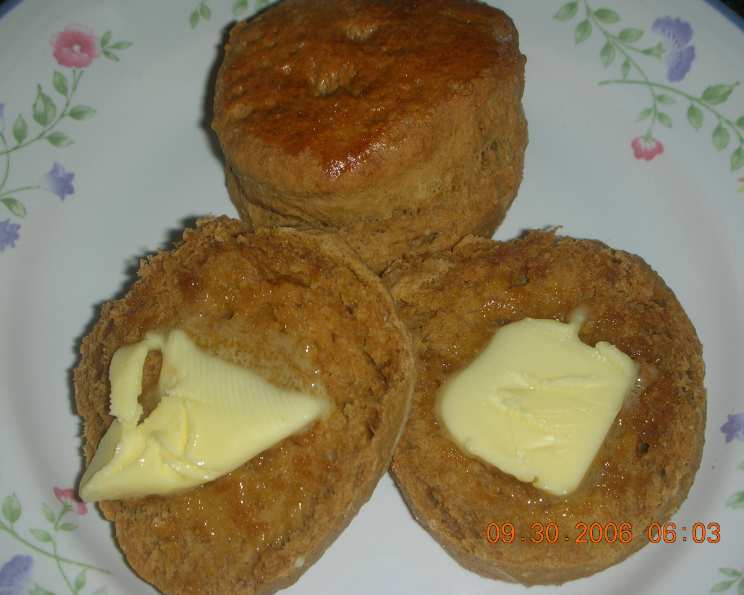
Treacle Scones: A Taste of Scotland
The first time I walked into a Scottish bakery, the scent of warm, spiced dough wrapped around me like a hug. It was a drizzly afternoon in Edinburgh, and I was seeking refuge from the weather and craving something comforting. My eyes landed on a stack of golden-brown scones, glistening with a dark, sticky glaze. One bite, and I was hooked – the subtle sweetness, the hint of ginger and cinnamon, the perfectly crumbly texture… It was a revelation, a taste of pure Scottish charm. It’s a recipe I’ve cherished ever since, bringing a little piece of Scotland into my own kitchen.
Recipe Overview
- Prep Time: 10 minutes
- Cook Time: 12-15 minutes
- Total Time: 25 minutes
- Servings: 6
- Yield: 6-8 Scones
- Dietary Type: Vegetarian
Ingredients
- 8 ounces self-raising flour
- 1 ½ ounces unsalted sweet butter, chilled and cubed
- 1 ounce soft brown sugar
- 5 ounces milk
- 1 teaspoon ground ginger
- 1 teaspoon cinnamon
- 2 tablespoons molasses (treacle)
- 1 pinch salt
- 1 beaten egg, for glazing (optional)
Equipment Needed
- Large mixing bowl
- Pastry blender or fingertips
- Measuring cups and spoons
- Baking sheet
- Rolling pin
- Round cookie cutter (optional)
Instructions
- Preheat your oven to a moderately hot temperature, around 375-400°F (190-200°C). The exact temperature might vary depending on your oven, so keep a close watch.
- In a large mixing bowl, sift together the flour, ground ginger, cinnamon, and salt. This ensures that the spices are evenly distributed throughout the dough, and helps to aerate the flour for a lighter scone.
- Add the chilled, cubed butter to the dry ingredients. Using a pastry blender or your fingertips, rub the butter into the flour mixture until it resembles coarse breadcrumbs. The smaller the pieces of butter, the more tender your scones will be. Work quickly to prevent the butter from melting.
- In a separate jug, dissolve the treacle (molasses), brown sugar, and salt in the milk. Stir until the sugar and salt are fully dissolved, and the treacle is evenly dispersed. This mixture will provide the sweetness and moisture for the scones.
- Pour the wet ingredients into the bowl with the dry ingredients. Using a knife or a spatula, mix lightly until just combined, forming a soft dough. Be careful not to overmix, as this will result in tough scones. If the dough seems too wet, add a tablespoon of flour at a time until it reaches the right consistency.
- Lightly flour a clean work surface. Turn the dough out onto the floured board. Gently divide the dough in two equal portions.
- Form each portion into a round shape, about 1-inch thick.
- Roll each round out to about ¾-inch thickness. Using a sharp knife or a round cookie cutter (about 3 inches in diameter), cut each round into 4 or 8 wedges, depending on your desired size. Do not completely separate the scones; leave them connected in the center for a traditional look. This helps them bake evenly and retain moisture.
- Place the scones onto an ungreased baking sheet, leaving a little space between them.
- If desired, glaze the tops of the scones with beaten egg for a golden-brown finish. This step is optional, but it adds a beautiful shine and richness to the scones.
- Bake in the preheated oven for approximately 12-15 minutes, or until the scones are golden brown and cooked through.
- Test for doneness by inserting a toothpick into the center of a scone. If it comes out clean, the scones are ready.
- Transfer the baked scones to a wire rack to cool slightly.
Expert Tips & Tricks
- For the lightest scones, use very cold butter and milk. Some bakers even chill their flour! The colder the ingredients, the less the gluten develops, resulting in a more tender crumb.
- Don’t overmix the dough! This is crucial for achieving a light and airy texture. Mix only until the ingredients are just combined.
- If you don’t have self-raising flour, you can make your own by adding 2 teaspoons of baking powder per cup of all-purpose flour.
- For extra flavour, add a handful of raisins or currants to the dough.
- If your scones are browning too quickly, tent them with foil for the last few minutes of baking.
- To ensure even baking, rotate the baking sheet halfway through the baking time.
Serving & Storage Suggestions
Serve your warm treacle scones with a generous dollop of clotted cream or sweet cream butter and a selection of marmalades and jams. They are especially delicious with a cup of tea or coffee.
Leftover scones are best stored in an airtight container at room temperature. They will stay fresh for 1-2 days. You can also freeze them for longer storage. Wrap each scone individually in plastic wrap and then place them in a freezer bag. They can be frozen for up to 2 months. To reheat frozen scones, thaw them at room temperature and then warm them in a low oven for a few minutes.
Nutritional Information
| Nutrient | Amount per Serving | % Daily Value |
|---|---|---|
| Calories | 252 kcal | 13% |
| Total Fat | 7g | 9% |
| Saturated Fat | 4g | 20% |
| Cholesterol | 19mg | 6% |
| Sodium | 44mg | 2% |
| Total Carbohydrate | 42g | 15% |
| Dietary Fiber | 1g | 4% |
| Sugars | 8g | 16% |
| Protein | 5g | 10% |
Note: Nutritional information is an estimate and may vary based on specific ingredients and portion sizes.
Variations & Substitutions
- Spiced up: For a more intense flavour, add a pinch of ground cloves or nutmeg to the dough.
- Citrus Zest: Incorporate the zest of an orange or lemon for a bright, citrusy twist.
- Gluten-free: Substitute the self-raising flour with a gluten-free self-raising blend. You may need to add a little extra liquid to achieve the right dough consistency.
- Vegan: Replace the butter with a plant-based butter alternative and the milk with a plant-based milk like almond or soy milk. Skip the egg wash or use a plant-based milk wash instead.
- Fruity: Add dried cranberries, chopped dates, or candied ginger for a delightful texture and flavour contrast.
FAQs (Frequently Asked Questions)
Q: Why are my scones hard and dry?
A: Overmixing the dough or using too much flour can lead to tough scones. Be gentle when mixing and measure the flour accurately.
Q: Can I make the dough ahead of time?
A: Yes, you can prepare the dough ahead of time, wrap it tightly in plastic wrap, and refrigerate it for up to 24 hours. Let it come to room temperature slightly before rolling and baking.
Q: How do I get my scones to rise higher?
A: Make sure your baking powder is fresh and that your oven is hot enough. Also, avoid pressing down too hard when cutting out the scones.
Q: Can I use honey instead of treacle?
A: Yes, you can substitute honey for treacle, but the flavor will be slightly different. Treacle has a deeper, more molasses-like flavor.
Q: What is self-raising flour?
A: Self-raising flour is all-purpose flour with baking powder already added. If you don’t have it, you can make your own by adding 2 teaspoons of baking powder per cup of all-purpose flour.
Final Thoughts
Treacle scones are more than just a baked treat; they’re a taste of heritage, a comforting reminder of simple pleasures. Whether you’re a seasoned baker or just starting out, I encourage you to try this recipe and experience the joy of creating something truly special. Experiment with different variations, share them with loved ones, and savor the deliciousness of homemade scones. Don’t be afraid to add your own personal touch and make this recipe your own. Happy baking! And maybe, just maybe, enjoy them with a wee dram of your favourite Scotch whisky.