
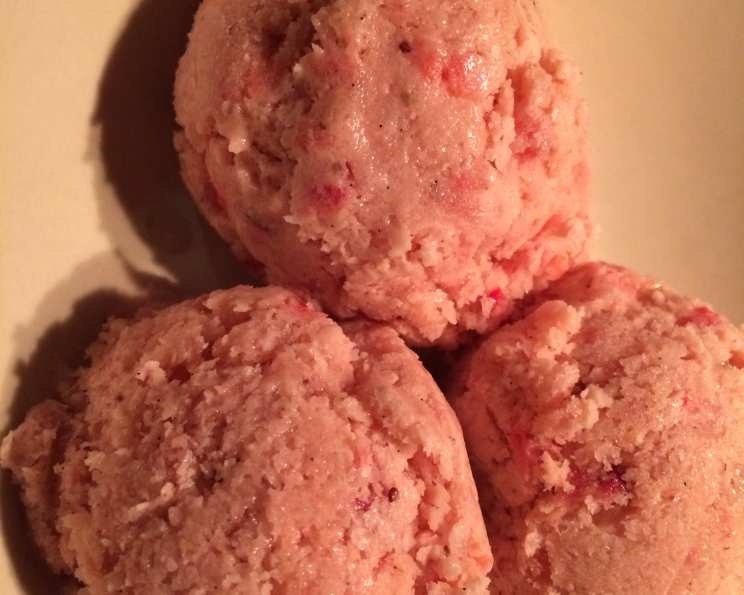
Tropical Ice Cream: A Kiwi, Strawberry, and Coconut Dream
My earliest memories of summer always involve the sweet, slightly tart tang of strawberries picked straight from the garden. My grandmother, with her sun-kissed cheeks and endless patience, would let me “help” her hull the berries, knowing full well most would end up stained on my face rather than in the bowl. This ice cream, with its vibrant mix of kiwi and strawberry, evokes those carefree summer days. The creamy coconut base elevates it to something truly special, a taste of the tropics in every spoonful.
Recipe Overview
- Prep Time: 30 minutes
- Cook Time: 5 minutes
- Total Time: 4 hours 35 minutes (includes cooling and freezing)
- Servings: 12
- Yield: Approximately 1.5 quarts
- Dietary Type: Gluten-Free
Ingredients
- 12 ounces strawberries, stems removed, sliced
- 12 ounces kiwi, peeled, cored, and sliced
- 1 cup sweetened coconut, shredded
- 1 cup granulated sugar
- 4 large egg yolks
- ¼ teaspoon kosher salt
- 13 ½ ounces light coconut milk
- 14 ounces half-and-half
- 1 vanilla bean, seeds scraped
Equipment Needed
- Saucepan
- Mixing bowls
- Whisk
- Food processor
- Strainer
- Plastic wrap
- Ice cream machine
Instructions
-
In a large bowl, combine the sliced kiwi and strawberries with ¼ cup of the granulated sugar. Gently toss the fruit until the sugar begins to dissolve and coat the fruit. Allow the mixture to sit at room temperature for 30 minutes while you prepare the custard base. This process, called maceration, will draw out the juices and intensify the fruit flavor.
-
While the fruit macerates, shake the can of coconut milk thoroughly to ensure it’s well combined. In a medium saucepan, over medium heat, combine the shaken coconut milk, half-and-half, the remaining sugar, and the vanilla bean seeds (leaving the pod out for now). Bring the mixture to a simmer, stirring occasionally to prevent scorching. The simmer should be gentle, with small bubbles forming around the edges of the pan.
-
In a separate small mixing bowl, whisk the egg yolks until they are smooth and slightly lightened in color. This will help prevent them from curdling when added to the hot liquid.
-
Temper the egg yolks by slowly drizzling approximately 1 cup of the hot coconut milk mixture into the bowl with the whisked egg yolks. Whisk constantly and vigorously as you pour to prevent the eggs from scrambling. This gradual addition of hot liquid will raise the temperature of the yolks without cooking them.
-
Pour the tempered yolk mixture back into the saucepan with the remaining coconut milk mixture. Whisk continuously to incorporate the eggs fully. Return the saucepan to medium heat and continue to cook the custard for about 5 minutes, or until the mixture thickens enough to coat the back of a spoon. To test for doneness, dip a spoon into the custard and run your finger across the back of the spoon; if the line remains distinct and doesn’t run, the custard is ready. Be careful not to overcook the custard, or it will curdle.
-
Remove the saucepan from the heat. Pour the custard mixture into a clean bowl through a strainer to remove any bits of cooked egg yolk or pieces of the vanilla bean pod. This step is crucial for achieving a silky-smooth ice cream texture.
-
Place a piece of plastic wrap directly on the surface of the custard in the bowl. This will prevent a skin from forming while the custard cools. Allow the custard to cool to room temperature, then refrigerate for at least 4 hours, or preferably overnight, to chill completely. A well-chilled base is essential for optimal ice cream machine performance.
-
While the custard chills, use a food processor to pulse the macerated strawberries and kiwi to a rough chop. You want some texture, so avoid pureeing completely. Gently stir the chopped fruit into the chilled custard.
-
Process the mixture according to your ice cream machine’s instructions. The freezing time will vary depending on your machine. Once the ice cream reaches a soft-serve consistency, transfer it to an airtight container and freeze for at least 2 hours for a firmer texture.
Expert Tips & Tricks
- For a richer flavor: Toast the shredded coconut lightly in a dry skillet over medium heat until golden brown before adding it to the recipe. Watch it carefully, as it can burn quickly.
- Adjusting sweetness: Taste the macerated fruit before adding it to the custard. If the fruit is particularly tart, you may want to add a tablespoon or two of extra sugar to the custard base.
- Avoiding ice crystals: Ensure the custard base is completely chilled before churning. Also, store the finished ice cream in an airtight container to minimize ice crystal formation during freezing.
- Troubleshooting curdled custard: If your custard curdles, don’t panic! Immediately remove it from the heat and whisk vigorously. You can also try pouring it through a fine-mesh sieve to remove any large lumps.
Serving & Storage Suggestions
Serve the Tropical Ice Cream in chilled bowls or cones. Garnish with fresh strawberries, kiwi slices, and a sprinkle of toasted coconut. It pairs perfectly with a light dessert wine or a refreshing sparkling water.
Store leftover ice cream in an airtight container in the freezer for up to 2 weeks. After that, the texture may start to deteriorate due to ice crystal formation. Avoid thawing and refreezing, as this will further compromise the texture. Ice cream is best enjoyed within a week for optimal flavor and texture.
Nutritional Information
| Nutrient | Amount per Serving | % Daily Value |
|---|---|---|
| Calories | 188 kcal | – |
| Calories from Fat | 68 kcal | – |
| Total Fat | 7.6 g | 11% |
| Saturated Fat | 4.8 g | 23% |
| Cholesterol | 73.7 mg | 24% |
| Sodium | 86.4 mg | 3% |
| Total Carbohydrate | 29.2 g | 9% |
| Dietary Fiber | 2.3 g | 9% |
| Sugars | 23.8 g | – |
| Protein | 2.7 g | 5% |
Variations & Substitutions
- Vegan Option: Substitute the half-and-half with full-fat coconut cream for a completely dairy-free version. You can also use a vegan egg yolk substitute in the custard base.
- Different Fruits: Feel free to experiment with other tropical fruits, such as mango, pineapple, or passion fruit. Just be sure to adjust the sugar accordingly, as some fruits are naturally sweeter than others.
- Citrus Zest: Add the zest of a lime or lemon to the custard base for a bright, citrusy note.
- Coconut Extract: For a more intense coconut flavor, add a teaspoon of coconut extract to the custard base along with the vanilla.
FAQs (Frequently Asked Questions)
Q: Why does the ice cream take so long to freeze?
A: The light coconut milk has a lower fat content than traditional cream, which can cause the mixture to take longer to freeze. Be patient and allow ample time for churning and hardening in the freezer.
Q: The color of the ice cream isn’t as vibrant green as I expected. Is this normal?
A: Yes, the kiwi does start out a nice green color when it’s mixed in, but the color tends to fade into the ice cream as the strawberry takes over. The flavor is still wonderful, even if the color isn’t as intense.
Q: Can I use frozen fruit instead of fresh?
A: While fresh fruit is preferred for optimal flavor and texture, you can use frozen fruit in a pinch. Be sure to thaw the fruit completely and drain off any excess liquid before using it in the recipe.
Q: My ice cream is too icy. What did I do wrong?
A: Icy ice cream is often caused by slow freezing or inadequate fat content. Make sure your ice cream maker is properly chilled before churning, and ensure the custard base is completely chilled before adding it to the machine. You can also try adding a tablespoon of vodka or other high-proof alcohol to the mixture, as this can help prevent ice crystal formation.
Q: Can I make this recipe without an ice cream machine?
A: While an ice cream machine is highly recommended for the best texture, you can try making this recipe without one. Pour the chilled custard mixture into a freezer-safe container and freeze for 2-3 hours, or until partially frozen. Then, use an immersion blender or a fork to break up the ice crystals. Repeat this process every 30-60 minutes for the next few hours until the ice cream reaches your desired consistency.
Final Thoughts
This Tropical Ice Cream is more than just a dessert; it’s a taste of sunshine, a celebration of vibrant flavors, and a reminder of carefree summer days. Don’t be afraid to get creative with the fruit combinations and customize the recipe to your liking. I encourage you to try this recipe and share your feedback – I’d love to hear about your tropical ice cream adventures! Pair it with a homemade sugar cone or a dollop of whipped cream for an extra special treat. Enjoy!