
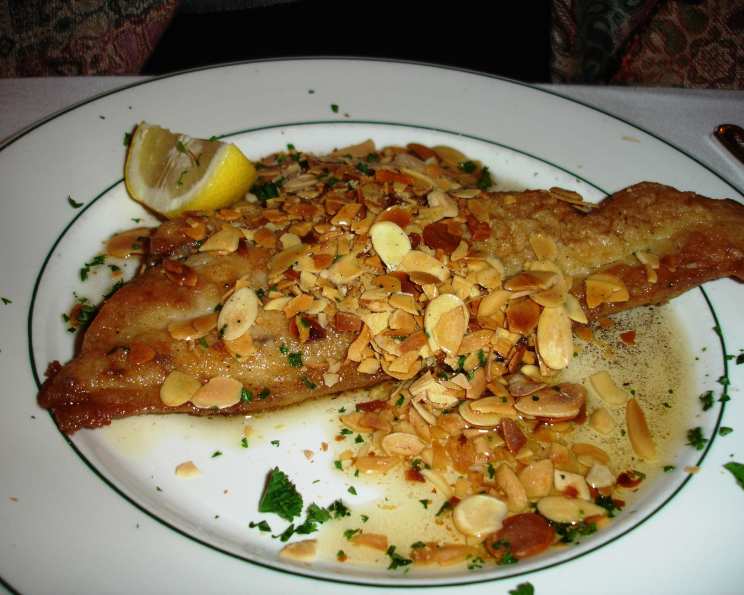
Trout Amandine: A Culinary Classic Reimagined
My earliest memory of Trout Amandine is a surprisingly vivid one. I was perhaps eight years old, seated at a linen-draped table far too formal for my fidgety self, at my grandmother’s summer home. The aroma of toasted almonds filled the air, mingling with the faint scent of the nearby lake. When the golden-brown trout arrived, glistening with butter and sprinkled with parsley, I was captivated. It was simple elegance on a plate, a dish that somehow felt both rustic and refined. That first bite – the tender, flaky fish, the crunchy almonds, the bright tang of lemon – remains etched in my mind as a defining culinary moment, the moment I truly understood the magic of transforming simple ingredients into something extraordinary.
Recipe Overview
- Prep Time: 15 minutes
- Cook Time: 15 minutes
- Total Time: 30 minutes
- Servings: 6
- Yield: 6 fillets
- Dietary Type: Pescatarian
Ingredients
- 2 cups whole milk
- 2 teaspoons sea salt, divided
- Shakes of hot sauce
- 6 rainbow trout fillets (8-10 ounces each)
- ¾ cup all-purpose flour
- ½ teaspoon fresh pepper
- 1 ¼ cups butter, divided
- 1 tablespoon olive oil
- ¾ cup sliced almonds, preferably blanched and prepared at home
- 2 tablespoons strained lemon juice
- 2 teaspoons Worcestershire sauce
- ¼ cup chopped fresh parsley leaves
- Lemon wedges or fluted lemon slice, for service
Equipment Needed
- 13×9 inch pan
- Plastic wrap
- Plate
- Heavy skillet
- Sheet pan
- Saucepan
Instructions
-
In a 13×9 inch pan, stir together the milk, 1 teaspoon of sea salt, and shakes of hot sauce. This creates a flavorful brine for the trout. Don’t be shy with the hot sauce; it adds a subtle warmth without overpowering the delicate fish.
-
Wash and dry the trout fillets. Then, add them to the milk mixture, turning to coat and immersing them as much as possible. This step is crucial for ensuring the trout is evenly seasoned and remains moist during cooking.
-
Cover the pan with plastic wrap and chill in the refrigerator for 2-3 hours. This allows the flavors to meld and the fish to firm up slightly, making it easier to handle.
-
Remove the trout fillets from the milk. Place them on a plate, but do not dry them. Discard the milk mixture. The residual moisture from the milk will help the flour adhere properly.
-
Spread the flour on another plate and season it with the fresh pepper. This creates a simple but essential coating for the fish, providing a crispy crust when sautéed.
-
In a heavy skillet, melt ¼ cup of the butter with the olive oil. The olive oil helps prevent the butter from burning and adds a subtle savory note.
-
While the butter melts, dredge each trout fillet in the flour, lightly shaking off any excess. It’s important to shake off the excess flour to prevent a gummy coating.
-
When the butter is hot (it should be shimmering but not smoking), add as many trout fillets as will fit without crowding the pan. Overcrowding the pan will lower the temperature of the oil and result in steamed, rather than sautéed, fish.
-
Cook the trout for about 2 minutes on each side, or until golden brown and cooked through. The exact cooking time will depend on the thickness of the fillets. The fish is done when it flakes easily with a fork.
-
Transfer the cooked trout fillets to a sheet pan.
-
Repeat the process until all the trout has been cooked. If more butter is needed, use it from the remaining specified amount.
-
Once all the fish has been cooked, place it on the sheet pan, cover loosely with foil, and place it in a 175-degree oven to keep warm. This will prevent the trout from drying out while you prepare the almond butter sauce.
-
In a saucepan, put the remaining 1 cup of butter and the sliced almonds with the remaining teaspoon of salt.
-
Cook over medium heat until the almonds are lightly browned, stirring frequently. This step requires patience; the almonds should be toasted but not burned.
-
Stir in the strained lemon juice and Worcestershire sauce. Cook for two minutes. The lemon juice adds brightness and acidity, while the Worcestershire sauce provides a subtle umami depth.
-
Remove the saucepan from the heat and stir in the chopped fresh parsley.
-
Serve the almond butter sauce over the trout fillets on warm plates, garnished with lemon wedges or fluted lemon slices. The warmth of the plates helps to keep the dish at the ideal temperature.
Expert Tips & Tricks
- For a richer flavor, use browned butter in the sauce. Simply continue cooking the butter until it turns a nutty brown color, being careful not to burn it.
- To ensure even cooking, use trout fillets of similar thickness.
- If you don’t have fresh parsley, you can substitute dried parsley, but use only half the amount.
- For a gluten-free option, use a gluten-free all-purpose flour blend.
- The best way to prepare the almonds at home, blanch whole almonds in boiling water for 1 minute, then immediately transfer to an ice bath to stop the cooking process. The skins should slip off easily. Pat the blanched almonds dry and slice them thinly. Toast them lightly in a dry pan for enhanced flavor.
Serving & Storage Suggestions
Trout Amandine is best served immediately after cooking, while the fish is still warm and the sauce is at its peak. It pairs well with roasted asparagus, steamed green beans, or a simple green salad.
Leftovers can be stored in an airtight container in the refrigerator for up to 2 days. Reheat gently in a skillet over low heat, or in a 300-degree oven, until warmed through. The fish may become slightly less crispy upon reheating. It is not recommended to freeze leftovers, as the texture of the fish can be compromised.
Nutritional Information
| Nutrient | Amount per Serving | % Daily Value |
|---|---|---|
| Calories | 535.6 kcal | N/A |
| Calories from Fat | 442 g | 83% |
| Total Fat | 49.1 g | 75% |
| Saturated Fat | 26.6 g | 132% |
| Cholesterol | 109.8 mg | 36% |
| Sodium | 1168.3 mg | 48% |
| Total Carbohydrate | 19.4 g | 6% |
| Dietary Fiber | 2 g | 7% |
| Sugars | 5 g | N/A |
| Protein | 7.1 g | 14% |
Note: Percent Daily Values are based on a 2,000 calorie diet.
Variations & Substitutions
- Spiced Amandine: Add a pinch of cayenne pepper or smoked paprika to the flour for a touch of heat.
- Herbaceous Amandine: Incorporate other fresh herbs, such as thyme, rosemary, or chives, into the sauce.
- Nutty Twist: Substitute some of the almonds with other nuts, such as pecans or walnuts.
- Citrus Burst: Add a squeeze of orange or grapefruit juice to the sauce for a brighter flavor.
FAQs (Frequently Asked Questions)
Q: Can I use frozen trout fillets?
A: Yes, you can use frozen trout fillets. Be sure to thaw them completely before cooking and pat them dry to remove any excess moisture.
Q: Can I make the almond butter sauce ahead of time?
A: While the sauce is best served fresh, you can make it a few hours in advance and reheat it gently before serving.
Q: What if I don’t have Worcestershire sauce?
A: A small amount of soy sauce or fish sauce can be used as a substitute, although the flavor will be slightly different.
Q: How do I know when the trout is cooked through?
A: The trout is cooked through when it flakes easily with a fork and is no longer translucent in the center.
Q: Can I bake the trout instead of pan-frying it?
A: Yes, you can bake the trout. Preheat your oven to 400 degrees F (200 degrees C), place the dredged trout fillets on a baking sheet, drizzle with olive oil, and bake for 10-15 minutes, or until cooked through. Then, pour the prepared Amandine sauce over the baked trout fillets.
Final Thoughts
Trout Amandine is more than just a recipe; it’s a testament to the power of simple ingredients, expertly prepared. Whether you’re a seasoned chef or a novice cook, this dish is sure to impress. Don’t be afraid to experiment with variations and make it your own. The most important ingredient is love, so pour your heart into it, and enjoy! I encourage you to try it and share your own experiences and variations with me. Perhaps pair it with a crisp Sauvignon Blanc for a truly memorable meal.