
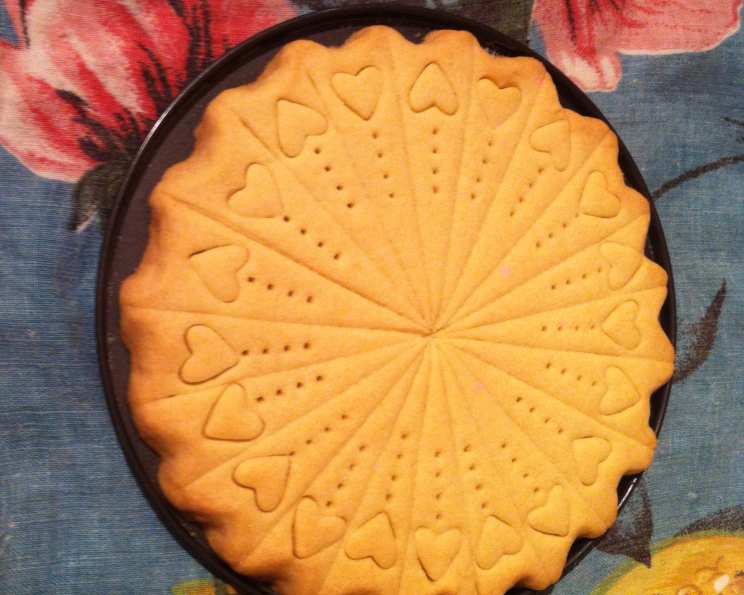
The Ultimate True Scottish Shortbread Recipe
The scent of buttery shortbread baking in the oven transports me straight back to my childhood. My grandmother, a formidable woman with a heart of gold and an unwavering devotion to her Scottish heritage, always had a tin of homemade shortbread ready for visitors. Her recipe, passed down through generations, was a closely guarded secret. I remember sneaking into the kitchen as a child, mesmerized by the way she deftly worked the dough, her hands a blur of practiced motion. The taste of that crumbly, melt-in-your-mouth shortbread was pure magic – a taste I’ve been chasing ever since. I think I may have finally found it with this recipe, and I hope you agree.
Recipe Overview
- Prep Time: 20 minutes
- Cook Time: 45 minutes
- Total Time: 1 hour 5 minutes
- Yields: 28-30 Pieces
- Serves: 28
- Dietary Type: Vegetarian
Ingredients
- 7 ounces plain flour or all-purpose flour
- 2 ounces sugar
- 4 ounces butter
- 1 pinch salt (small)
Equipment Needed
- Mixing bowl
- Fork
- Baking tray (approximately 7-8 inch square or 8 inch circle)
- Kitchen scales
- Lightly floured surface
Instructions
-
Begin by sifting the flour into a bowl. Add the pinch of salt to the flour and set aside for the moment. This ensures even distribution of the salt and a lighter texture.
-
Clear some space in your refrigerator. You might need to chill the mixture quickly later on.
-
Thoroughly grease your baking tray with butter. This is crucial for preventing the shortbread from sticking. For shortbread fingers, aim for a 7 to 8-inch square tray. For Petticoat Tails, use an 8-inch circular tray.
-
Preheat your oven to Gas Mark 3 (325°F / 165°C). Accurate oven temperature is key for even baking.
-
Place the butter (if using unsalted butter, add a pinch of salt to it) into a medium-size mixing bowl. Mash the butter with a fork until it is soft and creamy, ensuring there are no lumps. Be careful not to let your hand heat warm the butter so much that it starts to become runny. If this happens, place the bowl, complete with the butter and fork, into the refrigerator for 5-10 minutes to cool it down. Then, remove it and mash quickly again until smooth and creamy with no lumps. This step is essential for achieving the correct texture.
-
Add the sugar to the butter and mix well, and quickly.
-
Add the salted flour a VERY little at a time – mixing it in with the fork to start. Work quickly to prevent the gluten in the flour from developing too much.
-
Knead the mixture well on a very lightly floured surface. Knead for several minutes. The longer you knead, the better the shortbread will be. Aim for up to 10 minutes of kneading. What is very important is: Don’t allow the mixture to become too warm from your body heat whilst kneading. If it does, as before, put it into the fridge for a couple of minutes to chill it slightly before resuming. If you do find the need to chill it, knead it for at least a minute or so before rolling it.
-
Roll the mixture out to fit the shape and size of your prepared tray. For fingers, roll it out to about 1/2 inch thick, or perhaps even slightly thicker. This may seem awfully thick, but it is important because if you go thinner, it will affect both the texture and the taste. For petticoat tails, the dough needs to be a little under 1/2 inch thick to yield a chunky circle of about 7 to 8 inches.
-
For fingers: prick all over with a fork and put it into the prepared baking tray. Try to use a tray that fits the dough exactly, or one where at least three sides of the dough fit snugly against the sides. Any outer edges that don’t butt right up against the sides of a tray tend to get a bit over-baked.
-
For petticoat tails: using fork prongs, from the outer edge towards the centre, indent the top about a 1/2 inch all the way round to give it a nice crinkly edge – sort of like the teeth on a cogwheel, then prick all the way round the middle ideally rotating the fork or the pastry (or yourself!) to give a pretty effect when cut. Carefully lift and support the decorated circle and place and fit snugly into the circular baking tray. Score lightly (to about halfway downwards to bottom of the tray) into eight equal segments.
-
Bake until golden brown for about 45 minutes at Gas Mark 3 (325°F / 165°C). Keep a close eye on it. Petticoat tails seem to require a little less baking time. The color you’re looking for is hard to describe. You don’t want it to be undercooked, but when it’s starting to get a bit dark around the edges, it’s probably beginning to get a bit overdone already. Basically, cook until it’s just starting to darken around the edges, then get it out quick and cool it. Place the hot tray on a very cold surface until cool.
-
While still quite warm in the tray, mark across and cut into finger-shaped pieces (if not making petticoat tails). Leave them there in the tray, cut and together, until fully cold.
-
For petticoat tails, sprinkle liberally with caster sugar.
Expert Tips & Tricks
- Keep it cool: The key to perfect shortbread is to keep the dough cool throughout the process. Warm dough will result in a greasy, tough shortbread. Don’t be afraid to chill the dough multiple times if needed.
- Don’t overmix: Overmixing develops the gluten in the flour, which will make the shortbread tough rather than crumbly. Mix just until the dough comes together.
- Prick generously: Pricking the shortbread with a fork prevents it from puffing up during baking.
- Watch the edges: The shortbread is done when the edges are lightly golden brown. The center should still be pale.
- Cool completely: Allow the shortbread to cool completely in the pan before cutting. This will prevent it from crumbling.
Serving & Storage Suggestions
True Scottish Shortbread is best served at room temperature with a cup of tea or coffee. It’s also delicious alongside fresh fruit or ice cream. Store leftover shortbread in an airtight container at room temperature for up to a week. You can also freeze shortbread for longer storage. Wrap it tightly in plastic wrap and then place it in a freezer bag. It will keep in the freezer for up to 3 months. Thaw the shortbread at room temperature before serving.
Nutritional Information
| Nutrient | Amount per Serving | % Daily Value |
|---|---|---|
| Calories | 63 kcal | 3% |
| Total Fat | 3.4 g | 5% |
| Saturated Fat | 2.1 g | 10% |
| Cholesterol | 8.7 mg | 2% |
| Sodium | 34.6 mg | 1% |
| Total Carbohydrate | 7.4 g | 2% |
| Dietary Fiber | 0.2 g | 0% |
| Sugars | 2 g | 8% |
| Protein | 0.8 g | 1% |
Variations & Substitutions
- Lemon Shortbread: Add the zest of one lemon to the dough for a bright, citrusy flavor.
- Chocolate Chip Shortbread: Fold in 1/2 cup of mini chocolate chips to the dough before baking.
- Gluten-Free Shortbread: Substitute the all-purpose flour with a gluten-free flour blend. You may need to add a little more butter to compensate for the dryness of the gluten-free flour.
- Spiced Shortbread: Add 1/2 teaspoon of ground cinnamon or nutmeg to the dough for a warm, spiced flavor.
FAQs (Frequently Asked Questions)
Q: Why is it important to keep the dough cold?
A: Cold dough prevents the butter from melting and spreading during baking, which results in a crumbly, tender shortbread. Warm dough can lead to a greasy, tough shortbread.
Q: Can I use salted butter instead of unsalted?
A: Yes, you can use salted butter, but omit the pinch of salt in the recipe.
Q: How do I know when the shortbread is done?
A: The shortbread is done when the edges are lightly golden brown. The center should still be pale. Be careful not to overbake it, as it will become dry and brittle.
Q: Can I double the recipe?
A: This recipe sadly doesn’t double well, so for best results, stick to the given quantities.
Q: Why does the recipe say to mix by hand and not with a machine?
A: Mixing by hand helps prevent overmixing and keeps the dough cooler, resulting in a better texture. It’s only a few minutes of fussing about, so it’s worth the effort!
Final Thoughts
I truly believe this is the ultimate true Scottish shortbread recipe. It’s simple, but the results are extraordinary. The buttery, crumbly texture and delicate sweetness are simply irresistible. I urge you to try it and experience the taste of Scotland for yourself. And if you do, please share your feedback – I’d love to hear how it turns out! This shortbread pairs perfectly with a cup of strong, black tea or a dram of fine Scotch whisky. Enjoy!