
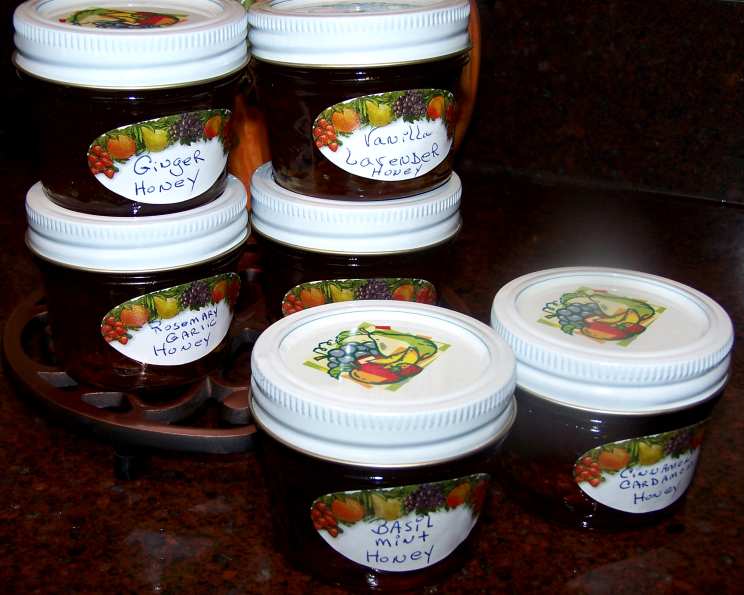
The Earthy Sweetness of Homemade Truffle Honey
The first time I tasted truffle honey, I was in a small trattoria nestled in the rolling hills of Tuscany. The chef, a jovial man with flour dusting his apron, drizzled it generously over a wedge of creamy, aged Pecorino. That single bite – the earthy musk of the truffle mingling with the floral sweetness of the honey, the sharp tang of the cheese – transported me. It was a culinary epiphany, a simple combination that elevated the everyday into something extraordinary. Since then, I’ve been on a quest to recreate that magic in my own kitchen, and I’m excited to share this wonderfully simple yet incredibly luxurious recipe with you.
Recipe Overview
- Prep Time: 15 minutes
- Cook Time: 10 minutes
- Total Time: 25 minutes
- Servings: 16 (Yield depends on jar size)
- Dietary Type: Vegetarian
Ingredients
- 2 grams black truffles
- 8 ounces honey (preferably a good quality, raw honey)
Equipment Needed
- Double boiler (or a heatproof bowl and saucepan)
- Small knife or truffle shaver
- Thermometer (optional, but recommended)
- Sterilized jars with lids
Instructions
- Begin by preparing your double boiler. If you don’t have one, you can create one by placing a heatproof bowl over a saucepan filled with about an inch or two of water. Make sure the bottom of the bowl doesn’t touch the water.
- Pour the 8 ounces of honey into the top of the double boiler.
- Place the double boiler over medium heat. The water in the bottom pan should be gently simmering, not boiling vigorously.
- While the honey is warming, carefully shave the 2 grams of black truffles into very tiny pieces. A truffle shaver works best, but a small, sharp knife will also do the trick. Aim for uniform pieces to ensure even truffle distribution throughout the honey.
- Add the shaved truffles to the warming honey.
- Continue to heat the honey over the double boiler, stirring occasionally to ensure the truffles are evenly dispersed.
- Using a thermometer, monitor the temperature of the honey. You want to bring it to 185°F (85°C) and maintain that temperature for 10 minutes. This gentle heating process helps to infuse the honey with the truffle’s aroma and flavor. It also helps to pasteurize the honey and extend its shelf life. If you don’t have a thermometer, bring the honey to a gentle simmer, watching carefully to prevent it from boiling over.
- Maintain the honey at 185°F (85°C) for 10 minutes, stirring occasionally.
- After 10 minutes, remove the double boiler from the heat and let the truffle honey stand for another 10 minutes. This allows the flavors to further meld and deepen.
- While the truffle honey is resting, prepare your sterilized jars. Ensure the jars are completely dry before filling.
- Carefully pour the warm truffle honey into the sterilized jars, leaving a small amount of headspace at the top.
- Seal the jars with their lids.
Optional Steps:
- Strain: While the truffle honey is still warm, you can strain it through a fine-mesh sieve if you prefer a smoother consistency without the truffle pieces. However, keep in mind that the truffle pieces add to the visual appeal and intensify the flavor.
- No Strain: If you don’t mind the appearance of the truffle pieces, you can skip the straining process altogether.
- Partial Strain: For a balanced approach, you can strain the truffle honey and then add some of the truffle pieces back into the honey. This allows you to control the texture and the intensity of the truffle flavor.
Important Note: Do not discard any of the truffles or truffle-infused honey that remains after straining. Truffles are a prized and expensive ingredient, so make the most of every bit!
Expert Tips & Tricks
- Honey Selection: The flavor of the honey will significantly impact the final product. Opt for a high-quality, raw honey with a flavor profile you enjoy. Clover, wildflower, or acacia honey are all excellent choices.
- Truffle Quality: The quality of the truffles is crucial. Fresh, fragrant black truffles will yield the best results. If fresh truffles are unavailable, you can use high-quality truffle paste or oil, but be mindful that these can be quite potent, so adjust the quantity accordingly.
- Temperature Control: Maintaining the honey at a consistent temperature of 185°F (85°C) is important for flavor infusion and preservation. Use a reliable thermometer to ensure accuracy.
- Jar Sterilization: Proper jar sterilization is essential to prevent spoilage and extend the shelf life of your truffle honey. You can sterilize jars by boiling them in water for 10 minutes or baking them in the oven at 250°F (120°C) for 20 minutes.
- Flavor Enhancement: For an extra layer of complexity, consider adding a pinch of sea salt or a few drops of lemon juice to the truffle honey after heating. These additions can help to balance the sweetness and enhance the truffle flavor.
Serving & Storage Suggestions
Truffle honey is incredibly versatile and can be used in a wide variety of dishes.
- Cheese Pairing: Drizzle it over soft cheeses like brie, goat cheese, or ricotta, or pair it with stronger cheeses like blue cheese or aged cheddar.
- Charcuterie Board: Add a small bowl of truffle honey to your charcuterie board alongside cured meats, olives, and crusty bread.
- Fruit Dip: Serve it as a dip for fresh fruits like apples, pears, or figs.
- Glaze: Use it as a glaze for roasted vegetables, such as carrots or Brussels sprouts, or for grilled meats like duck or pork.
- Dessert Topping: Drizzle it over ice cream, yogurt, or pancakes for a decadent treat.
Store your truffle honey in a cool, dark place. When properly stored in sterilized jars, it can last for several months. If the honey crystallizes, simply warm the jar gently in a water bath until the crystals dissolve.
Nutritional Information
Please note that these are estimates, and the actual nutritional content may vary based on specific ingredients and serving size.
| Nutrient | Amount per Serving | % Daily Value |
|---|---|---|
| Calories | 50 kcal | 2% |
| Total Fat | 0g | 0% |
| Saturated Fat | 0g | 0% |
| Cholesterol | 0mg | 0% |
| Sodium | 0mg | 0% |
| Total Carbohydrate | 13g | 5% |
| Dietary Fiber | 0g | 0% |
| Sugars | 13g | N/A |
| Protein | 0g | 0% |
Variations & Substitutions
- White Truffle Honey: Substitute black truffles with white truffles for a more delicate and floral flavor. Note that white truffles are typically more expensive than black truffles.
- Truffle Oil Infusion: If fresh truffles are unavailable, you can use a high-quality truffle oil. Add the oil to the honey after heating and stir well. Start with a small amount and add more to taste.
- Spice Infusion: Add a pinch of chili flakes or a few sprigs of rosemary to the honey while heating for a more complex flavor profile.
- Vegan Option: While honey is typically considered vegetarian, some vegans avoid it. For a vegan alternative, you can use agave nectar or maple syrup instead of honey. However, keep in mind that these sweeteners will have a different flavor profile than honey.
FAQs (Frequently Asked Questions)
Q: Can I use dried truffles instead of fresh truffles?
A: While fresh truffles are ideal, you can use dried truffles in a pinch. Rehydrate the dried truffles in warm water for about 30 minutes before adding them to the honey. Be sure to use the truffle-infused water as well for extra flavor!
Q: How long does truffle honey last?
A: When properly stored in sterilized jars, truffle honey can last for several months. However, the flavor may diminish over time, so it’s best to use it within a few months of making it.
Q: Can I use this recipe with infused truffle oil?
A: Yes, you can add a bit of high-quality truffle oil to the honey after heating it, but go easy. Truffle oil can be overpowering, so add it a teaspoon at a time and taste as you go.
Q: What if my honey crystallizes?
A: If your truffle honey crystallizes, don’t worry! Simply warm the jar gently in a water bath until the crystals dissolve. Avoid overheating the honey, as this can affect its flavor and quality.
Q: Where can I find black truffles?
A: Fresh black truffles can be found at specialty food stores, gourmet markets, or online retailers. They are typically in season during the winter months.
Final Thoughts
Making your own truffle honey is surprisingly simple and incredibly rewarding. It’s a delightful culinary adventure that allows you to create a truly special ingredient in your own kitchen. Whether you’re drizzling it over cheese, glazing roasted vegetables, or simply enjoying it with a spoon straight from the jar, truffle honey is sure to elevate any dish. So go ahead, give this recipe a try, and experience the magic of earthy sweetness for yourself. I encourage you to experiment with different types of honey and truffles to create your own unique flavor combinations. Don’t hesitate to share your creations and feedback!