
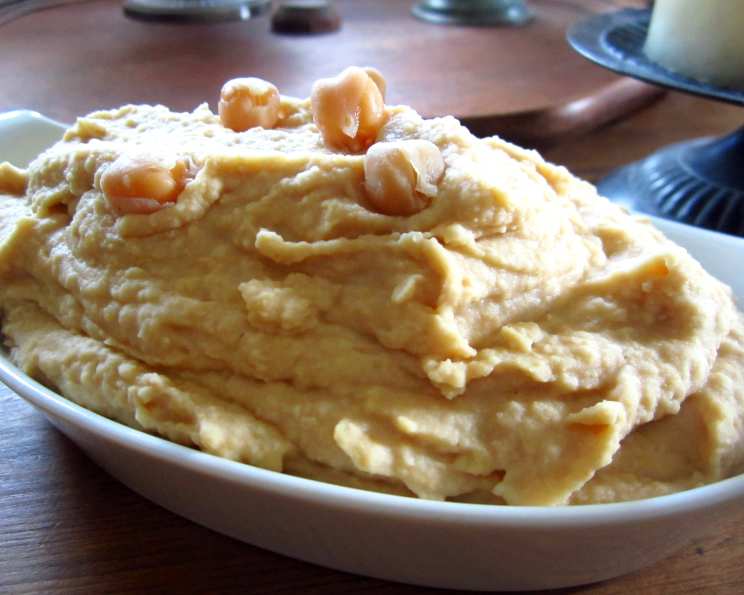
Decadent Truffle Hummus: An Unexpected Indulgence
I’ll never forget the first time I tasted truffle hummus. It was at a small, unassuming bistro in Rome, a place my mentor insisted we visit. I was initially skeptical – hummus, elevated? But then, the earthy aroma hit me, followed by the creamy, nutty flavor punctuated by that unmistakable hint of truffle. It was a revelation, a humble dish transformed into something truly extraordinary. Ever since, I’ve been obsessed with recreating that experience, and this recipe brings me right back to that little Roman bistro.
Recipe Overview
- Prep Time: 5 minutes
- Cook Time: 0 minutes
- Total Time: 5 minutes
- Servings: 10
- Dietary Type: Vegan, Gluten-Free
Ingredients
- 2 cups canned chick-peas, drained, liquid reserved
- 1 1/2 teaspoons kosher salt
- 2 tablespoons tahini (sesame paste)
- 6 tablespoons fresh lemon juice (2 lemons)
- 1 tablespoon water or 1 tablespoon liquid from the chickpeas
- 2 tablespoons olive oil
- 1 tablespoon truffle oil
- 1 garlic clove
Equipment Needed
- Food processor (or blender)
Instructions
- Turn on your food processor (or blender, if you don’t have a food processor).
- Drop the garlic clove down the feed tube of the processor while it’s running. This will chop the garlic very finely and evenly distribute its flavor.
- Add the rest of the ingredients – drained chickpeas, kosher salt, tahini, fresh lemon juice, water or chickpea liquid, and olive oil – to the food processor.
- Process the mixture until the hummus is coarsely pureed. Don’t over-process at this stage, as it can make the hummus gummy. We’re looking for a slightly textured consistency.
- Taste the hummus and adjust the seasoning. Depending on your preference and the potency of your truffle oil, you might want to add more truffle oil, a little at a time, until you achieve the desired truffle flavor. Remember, truffle flavor can be quite assertive, so add it gradually.
- Serve the truffle hummus chilled or at room temperature.
Expert Tips & Tricks
- Chickpea Prep: For an even smoother hummus, peel the skins off the chickpeas before blending. This is a bit time-consuming, but it makes a noticeable difference in the final texture. Simply rub the drained chickpeas between two clean kitchen towels to loosen the skins.
- Tahini Matters: The quality of your tahini significantly impacts the flavor of the hummus. Look for tahini that is smooth, creamy, and has a slightly nutty aroma. Avoid tahini that is bitter or overly thick. Some brands are naturally better than others.
- Lemon Juice is Key: Use freshly squeezed lemon juice for the brightest, most vibrant flavor. Bottled lemon juice often tastes flat and lacks the zest of fresh lemons.
- Truffle Oil Considerations: Truffle oils vary widely in quality. Some are made with real truffles, while others use synthetic truffle flavorings. Opt for a high-quality truffle oil for the most authentic truffle flavor. Start with a smaller amount and add more to taste, as truffle oil can be overpowering. Remember, a little goes a long way!
- Ice Water Secret: Add a tablespoon or two of ice water to the hummus while processing for an extra creamy texture. The cold water helps emulsify the ingredients and creates a smoother consistency.
- Garlic Taming: If you find raw garlic too pungent, you can roast or confit the garlic clove before adding it to the hummus. Roasting mellows the garlic flavor and adds a subtle sweetness.
- Don’t Rush: Process the hummus in intervals, scraping down the sides of the food processor bowl as needed. This ensures that all the ingredients are evenly incorporated.
Serving & Storage Suggestions
Truffle hummus is incredibly versatile and can be served in a variety of ways. Serve it as a dip with warm pita bread, crudités (such as carrots, celery, cucumbers, and bell peppers), or crispy pita chips. It’s also delicious spread on sandwiches, wraps, or crackers. You can use it as a base for a mezze platter alongside other Mediterranean favorites like olives, feta cheese, and stuffed grape leaves.
For a beautiful presentation, drizzle the hummus with a little extra olive oil and sprinkle with chopped fresh parsley or a pinch of smoked paprika. You can also create swirls in the hummus with the back of a spoon and fill the swirls with a few drops of truffle oil.
Store leftover truffle hummus in an airtight container in the refrigerator for up to 5 days. The flavor may intensify slightly as it sits. You can also freeze truffle hummus for up to 2 months. Thaw it in the refrigerator overnight before serving. The texture may change slightly after freezing, but the flavor will remain delicious.
Truffle hummus is best served chilled or at room temperature. If you’ve refrigerated it, let it sit out for about 30 minutes before serving to allow it to soften slightly.
Nutritional Information
| Nutrient | Amount per Serving | % Daily Value |
|---|---|---|
| Calories | 100.5 kcal | N/A |
| Calories from Fat | 42 g | 42% |
| Total Fat | 4.7 g | 7% |
| Saturated Fat | 0.6 g | 3% |
| Cholesterol | 0 mg | 0% |
| Sodium | 494.8 mg | 20% |
| Total Carbohydrate | 12.3 g | 4% |
| Dietary Fiber | 2.4 g | 9% |
| Sugars | 0.2 g | 0% |
| Protein | 3 g | 5% |
Note: Nutritional information is an estimate and may vary based on specific ingredients and portion sizes.
Variations & Substitutions
- Spicy Truffle Hummus: Add a pinch of red pepper flakes or a dash of hot sauce to the hummus for a spicy kick.
- Roasted Red Pepper Truffle Hummus: Roast a red bell pepper until the skin is blackened, then peel and seed it. Add the roasted red pepper to the food processor along with the other ingredients.
- Sun-Dried Tomato Truffle Hummus: Add a handful of oil-packed sun-dried tomatoes to the food processor for a Mediterranean twist.
- White Bean Truffle Hummus: Substitute cannellini beans (white kidney beans) for the chickpeas for a slightly different flavor and texture.
- Herbaceous Truffle Hummus: Add a handful of fresh herbs like parsley, cilantro, or dill to the food processor.
- Vegan Adjustments: This recipe is naturally vegan!
FAQs (Frequently Asked Questions)
Q: Can I use dried chickpeas instead of canned?
A: Yes, you can use dried chickpeas. Soak them overnight and then cook them until they are very tender before using them in the recipe.
Q: How can I make the hummus thinner?
A: Add more water or chickpea liquid, one tablespoon at a time, until you reach the desired consistency.
Q: What if I don’t have truffle oil?
A: While truffle oil is essential for this recipe, you can omit it and add a sprinkle of truffle salt for a subtle truffle flavor. The flavor profile, however, will not be the same.
Q: Can I use a regular blender instead of a food processor?
A: Yes, you can use a regular blender, but you may need to scrape down the sides more often to ensure that all the ingredients are evenly blended.
Q: My hummus is bitter. What went wrong?
A: Bitter hummus is often caused by using old or rancid tahini. Make sure your tahini is fresh and has a smooth, creamy texture. Over-processing the chickpeas can also contribute to a bitter taste.
Final Thoughts
I sincerely hope you will attempt to make this Truffle Hummus. It’s the perfect addition to any dinner party, a fantastic snack, or even just a delicious treat to enjoy on your own. It’s one of those dishes that’s surprisingly easy to make, yet tastes incredibly sophisticated. I encourage you to experiment with the variations, find what tastes best to your palate, and, above all, enjoy the process. Don’t hesitate to leave a comment below to share your experience or suggest any twists you’ve made to the recipe. Bon appétit!