
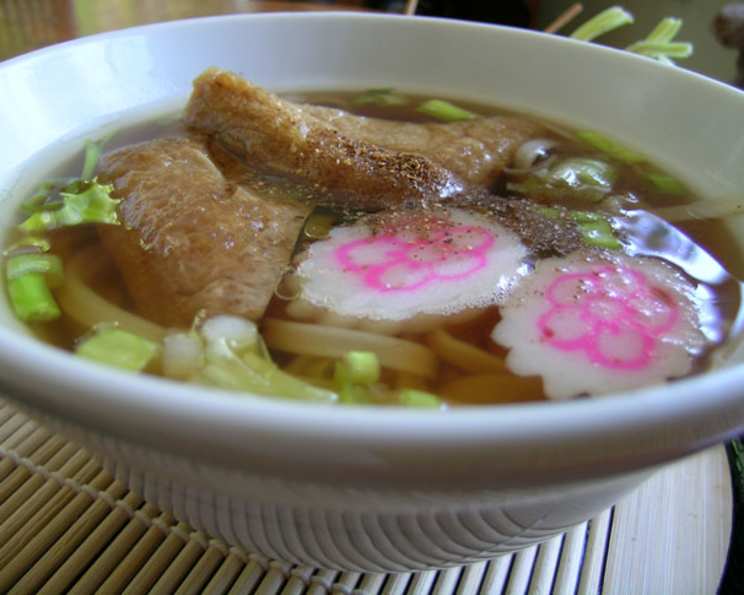
Tsuyu: The Soul of Japanese Noodle Dishes
My earliest memories of Japanese summers are intertwined with the cool, refreshing taste of zaru soba. The earthy buckwheat noodles, the delicate aroma of nori, and most importantly, the deeply savory and slightly sweet dipping sauce known as tsuyu. I remember my grandmother, Obachan, meticulously preparing it in her small kitchen, the scent of soy sauce and kombu filling the air. To me, the flavor of her tsuyu is the flavor of summer, and I’ve been chasing that perfection ever since. Learning to make tsuyu from scratch is unlocking a secret to a whole world of Japanese flavors.
Recipe Overview
- Prep Time: 10 minutes
- Cook Time: 10 minutes
- Total Time: At least 12 hours (including refrigeration)
- Yields: Approximately 4 1/2 cups
- Dietary Type: Pescatarian
Ingredients
- 200 ml soy sauce
- 400 ml water
- 150 ml mirin
- 1 tablespoon sugar
- 25 g bonito flakes (katsuobushi)
- Kombu seaweed (about 2 inches or 1.5cm by 6 inches or 15cm)
Equipment Needed
- Medium-sized pot
- Fine-mesh strainer or cheesecloth
- Glass or plastic bottle for storage
Instructions
- In a medium-sized pot, combine the water, soy sauce, and sugar. Heat over medium-high heat until the mixture reaches a boil, stirring occasionally to dissolve the sugar.
- Once boiling, reduce the heat to medium-low and carefully skim off any scum or foam that rises to the surface using a spoon or ladle. Removing the scum ensures a cleaner, clearer tsuyu.
- Add the bonito flakes and kombu seaweed to the pot. Bring the mixture back up to a boil.
- As soon as the mixture boils again, immediately turn off the heat.
- Stir in the mirin.
- Refrigerate the mixture overnight (or for at least 12 hours) to allow the flavors to fully meld and infuse. This step is crucial for developing the characteristic depth of tsuyu.
- After refrigeration, prepare your strainer. Line it with several layers of cheesecloth or use a very fine-mesh strainer. Carefully strain the tsuyu multiple times to remove all the bonito flakes and kombu seaweed. This will result in a clear, sediment-free broth. Don’t squeeze the cheesecloth, as this will release bitter flavors.
- Transfer the strained tsuyu to a clean glass or plastic bottle with a secure cap.
- Refrigerate the bottled tsuyu for storage.
Expert Tips & Tricks
- Kombu Quality Matters: Use high-quality kombu for the best flavor. Look for kombu with a thick, meaty texture and a coating of white powder (mannitol), which indicates umami richness.
- Don’t Overboil: Avoid prolonged boiling after adding the bonito flakes and kombu. Overboiling can extract unwanted bitter compounds and muddy the flavor.
- Adjust Sweetness: Taste the tsuyu after refrigeration and adjust the sugar level to your preference. Some people prefer a slightly sweeter tsuyu.
- Use a Japanese Measuring Cup: Note that the recipe uses a Japanese measuring cup which is 200ml, slightly smaller than the standard US cup (240ml). Using a US cup will result in a saltier Tsuyu.
- Second Infusion: For a slightly weaker but still flavorful tsuyu, you can re-use the kombu and bonito flakes for a second infusion. Simmer them in fresh water for about 30 minutes.
- Freeze for Longer Storage: While tsuyu keeps well in the refrigerator, you can freeze it in ice cube trays or small containers for longer storage. This is especially useful if you only use it occasionally.
Serving & Storage Suggestions
Tsuyu is incredibly versatile. It’s most commonly used as a dipping sauce for cold noodles like soba, udon, and somen. Dilute it with water (adjusting the ratio to your taste) for a warm noodle soup broth. You can also use it as a base for other sauces and dressings.
Store the strained tsuyu in a sealed glass or plastic bottle in the refrigerator. Properly stored, it can last for up to one year. However, for the best flavor, use it within 6-9 months. Check for any signs of spoilage (unusual odor or discoloration) before using.
The leftover kombu and bonito flakes shouldn’t be discarded! As my Obachan taught me, they can be transformed into delicious furikake (rice seasoning). Simply chop the kombu into small pieces and stir-fry it with the used bonito flakes, sesame seeds, and a splash of teriyaki sauce until slightly crispy. This adds a wonderful savory note to plain rice.
Nutritional Information
Please note that the following nutritional information is an estimate and may vary based on specific ingredients and serving size.
| Nutrient | Amount per Serving | % Daily Value |
|---|---|---|
| Calories | 60 kcal | 3% |
| Total Fat | 0.1 g | 0% |
| Saturated Fat | 0 g | 0% |
| Cholesterol | 0 mg | 0% |
| Sodium | 3227 mg | 134% |
| Total Carbohydrate | 7.9 g | 3% |
| Dietary Fiber | 0.4 g | 2% |
| Sugars | 4.2 g | 8% |
| Protein | 5.8 g | 12% |
Variations & Substitutions
- Vegan Tsuyu: Substitute the bonito flakes with dried shiitake mushrooms for a vegetarian or vegan version. Soak the shiitake mushrooms in water overnight to extract their flavor, then use the soaking liquid and the rehydrated mushrooms in the recipe.
- Spicy Tsuyu: Add a pinch of red pepper flakes or a small amount of grated ginger to the tsuyu for a spicy kick.
- Citrusy Tsuyu: Add a splash of yuzu juice or lemon juice to the finished tsuyu for a refreshing citrusy flavor.
- Dashi Powder: If you’re short on time, you can use dashi powder (instant fish stock) instead of bonito flakes and kombu. However, the flavor will not be as complex or nuanced.
FAQs (Frequently Asked Questions)
Q: Can I use light soy sauce instead of regular soy sauce?
A: It is not recommended. Light soy sauce has a higher salt content and less color than regular soy sauce, which will significantly affect the flavor and appearance of the tsuyu. If you must use light soy sauce, reduce the amount slightly and add a touch of molasses or dark soy sauce for color.
Q: How long does tsuyu last in the refrigerator?
A: Properly stored in a sealed container in the refrigerator, tsuyu can last for up to one year. However, it is best used within 6-9 months for optimal flavor.
Q: Can I freeze tsuyu?
A: Yes, you can freeze tsuyu. Pour it into ice cube trays or small containers and freeze. This is a great way to preserve it for longer periods. Thaw in the refrigerator before using.
Q: What’s the best way to use the leftover kombu and bonito flakes?
A: Chop the kombu into small pieces and stir-fry it with the used bonito flakes, sesame seeds, and a splash of teriyaki sauce or soy sauce and sugar until slightly crispy. This makes a delicious furikake (rice seasoning).
Q: Can I adjust the sweetness of the tsuyu?
A: Absolutely! Taste the tsuyu after it has refrigerated overnight and adjust the sugar level to your preference. Some people prefer a slightly sweeter or less sweet tsuyu.
Final Thoughts
Making tsuyu from scratch might seem intimidating, but it’s a rewarding process that unlocks a world of authentic Japanese flavors. Don’t be afraid to experiment with variations and find the perfect balance of flavors to suit your taste. Once you’ve mastered this basic recipe, you’ll be amazed at the many ways you can use it to enhance your cooking. So go ahead, embrace the art of tsuyu making and elevate your next noodle dish to new heights! I would also like to hear how your Tsuyu turned out!