
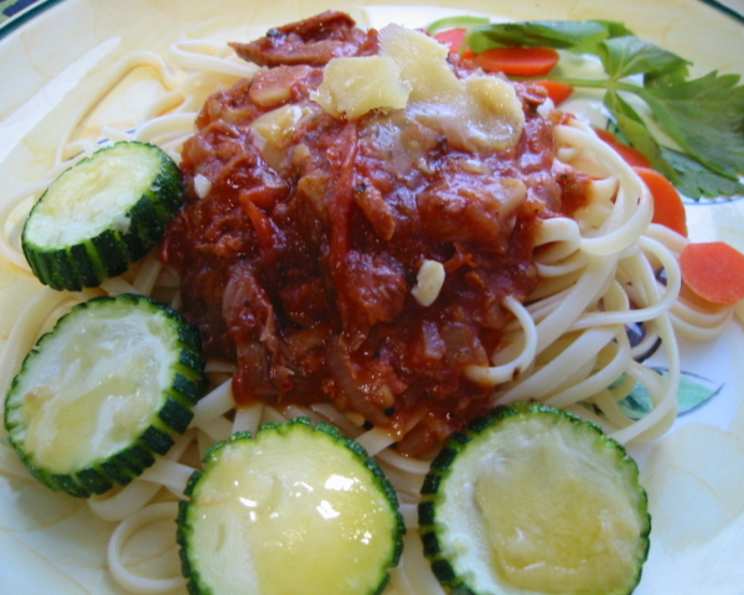
Tuna Sauce for Pasta: A Taste of Italian Simplicity
I can almost smell it now – the comforting aroma of garlic and basil simmering away on a lazy Sunday afternoon. Growing up, my best friend’s Nonna Maria would always have a pot of something delicious bubbling on her stove. Her tuna sauce for pasta was a staple, a testament to the fact that the most satisfying meals often come from the simplest ingredients. It wasn’t fancy, but it was always made with love, and it always tasted like home. This recipe, inspired by Nonna Maria’s timeless classic, is my way of sharing that feeling with you.
Recipe Overview
- Prep Time: 10 minutes
- Cook Time: 25 minutes
- Total Time: 35 minutes
- Servings: 4-6
- Yield: About 4 cups of sauce
- Dietary Type: Dairy-Free
Ingredients
- 2 tablespoons olive oil
- 1 large yellow onion, chopped
- ½ cup fresh parsley, chopped
- ½ cup fresh basil, chopped
- 3 garlic cloves, sliced or minced
- Salt and pepper to taste
- 2 (6 ounce) cans tuna in water, drained
- 2 (29 ounce) cans crushed tomatoes (Redpack brand preferred)
Equipment Needed
- Large skillet or saucepan
- Knife
- Cutting board
Instructions
-
Begin by preparing your vegetables. Chop the yellow onion into small pieces. Mince or slice the garlic cloves. Chop the fresh parsley and fresh basil. Set aside.
-
Heat the olive oil in a large skillet or saucepan over medium heat. Once the oil is shimmering, add the chopped onion and sauté until softened and translucent, about 5-7 minutes. Stir occasionally to prevent burning.
-
Add the minced or sliced garlic to the skillet and cook for another minute, until fragrant. Be careful not to burn the garlic, as it can become bitter.
-
Stir in the chopped fresh parsley and fresh basil. Season with salt and pepper to taste. Cook for another minute, allowing the herbs to release their aroma.
-
Add the drained tuna to the skillet. Gently break up the tuna with a spoon and simmer for about 5 minutes, stirring occasionally to combine with the onion, garlic, and herbs.
-
Pour in the crushed tomatoes, juice and all. If you prefer a smoother sauce, you can puree the crushed tomatoes in a food processor before adding them to the skillet, or you can substitute with tomato puree.
-
Bring the sauce to a simmer, then reduce the heat to low. Cover the skillet or saucepan and simmer for 20 minutes, stirring occasionally. This allows the flavors to meld together beautifully. The longer it simmers, the richer the flavor will become.
-
Taste the sauce and adjust the seasoning with salt and pepper as needed. Remember that pasta water is often salty, so be mindful of the overall saltiness.
-
Once the sauce has simmered for 20 minutes, it is ready to serve. Cook your favorite pasta according to package directions, and then pour the tuna sauce over the cooked pasta.
Expert Tips & Tricks
- Enhance the Flavor: For a deeper, more complex flavor, add a pinch of red pepper flakes while sautéing the onions and garlic. A splash of dry white wine added after the garlic can also elevate the sauce.
- Adjust the Consistency: If you prefer a thicker sauce, simmer it uncovered for the last 10 minutes to allow some of the liquid to evaporate. For a thinner sauce, add a splash of pasta water before serving.
- Make-Ahead Prep: The sauce can be made ahead of time and stored in the refrigerator for up to 3 days. This is a great time-saver for busy weeknights. Simply reheat the sauce gently on the stovetop before serving.
- Dealing with Tuna: Be sure to drain the tuna thoroughly to avoid a watery sauce. You can also use tuna packed in olive oil for a richer flavor, but be sure to reduce the amount of olive oil you add at the beginning.
- Fixing Bitterness: If your sauce tastes bitter, a tiny pinch of sugar can help neutralize the bitterness.
Serving & Storage Suggestions
Serve the tuna sauce immediately over your favorite cooked pasta. We especially love it with penne, spaghetti, or rotini. Garnish with a sprinkle of fresh parsley and a drizzle of olive oil for a beautiful presentation. A side of crusty bread for soaking up the sauce is always a welcome addition.
Leftover sauce can be stored in an airtight container in the refrigerator for up to 3 days. Reheat gently on the stovetop over medium-low heat, stirring occasionally, until heated through. You can also freeze the sauce for longer storage – it will keep for up to 2 months in a freezer-safe container. Thaw overnight in the refrigerator before reheating.
Nutritional Information
| Nutrient | Amount per Serving | % Daily Value |
|---|---|---|
| Calories | 302.7 kcal | N/A |
| Calories from Fat | 91 g | 30% |
| Total Fat | 10.2 g | 15% |
| Saturated Fat | 1.8 g | 8% |
| Cholesterol | 37.5 mg | 12% |
| Sodium | 1223.5 mg | 50% |
| Total Carbohydrate | 30.9 g | 10% |
| Dietary Fiber | 6.7 g | 26% |
| Sugars | 16.8 g | N/A |
| Protein | 25.1 g | 50% |
Note: Nutritional information is an estimate and may vary depending on specific ingredients and serving sizes.
Variations & Substitutions
- Spicy Tuna Sauce: Add a pinch of red pepper flakes or a dash of hot sauce to the sauce for a spicy kick.
- Creamy Tuna Sauce: Stir in a dollop of cream cheese, sour cream, or Greek yogurt at the end for a richer, creamier sauce.
- Vegetable Tuna Sauce: Add chopped bell peppers, mushrooms, or zucchini to the sauce for a heartier, more nutritious meal. Sauté the vegetables along with the onions and garlic.
- Tomato Paste Boost: Add 2-3 tablespoons of tomato paste along with the crushed tomatoes for a richer tomato flavor.
- Herb Variations: Experiment with different herbs, such as oregano, thyme, or rosemary, to customize the flavor of the sauce.
FAQs (Frequently Asked Questions)
Q: Can I use fresh tomatoes instead of canned crushed tomatoes?
A: Yes, you can! Use about 4-5 ripe tomatoes, peeled and chopped. You may need to simmer the sauce for a bit longer to reduce the liquid.
Q: Can I use tuna packed in oil instead of water?
A: Absolutely. Just be sure to drain the oil and reduce the amount of olive oil you add at the beginning to prevent the sauce from becoming too greasy.
Q: How can I make this sauce gluten-free?
A: Simply serve the sauce over gluten-free pasta. The sauce itself is naturally gluten-free.
Q: Can I add other seafood to this sauce?
A: Yes, other seafood like shrimp or clams would be delicious additions. Add them during the last 5-10 minutes of simmering to avoid overcooking.
Q: Is it possible to make this vegetarian?
A: To make this recipe vegetarian, you would need to omit the tuna and add vegetables such as zucchini, bell peppers, or mushrooms to maintain a similar texture and flavor. You could also add chickpeas or lentils for added protein.
Final Thoughts
This Tuna Sauce for Pasta is a testament to the beauty of simple, home-cooked meals. It’s quick, easy, and packed with flavor, making it the perfect dish for a weeknight dinner or a casual weekend gathering. I hope you enjoy making it as much as I do! Feel free to experiment with different variations and substitutions to make it your own. I would love to hear your feedback and see your creations – be sure to share your experiences and any creative twists you add! Buon appetito!