
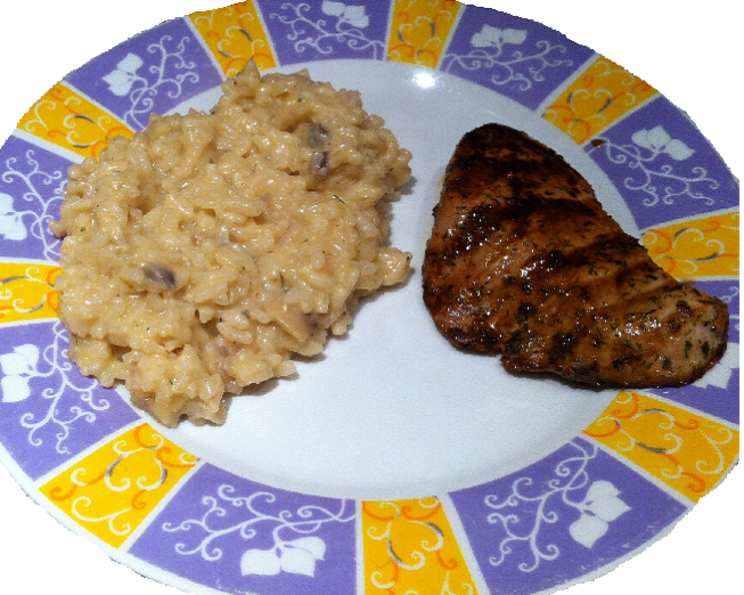
Tuna Steak with Risotto: A Symphony of Flavors
The first time I tasted tuna steak with risotto was at a tiny trattoria tucked away in a coastal Italian village. The air smelled of salt and lemons, and the setting sun painted the sea in fiery hues. That simple meal – the perfectly seared tuna, tender and almost melting in my mouth, paired with the creamy, comforting risotto – was a revelation. It wasn’t just food; it was a moment, an experience I’ve carried with me ever since, striving to recreate its magic in my own kitchen.
Recipe Overview
- Prep Time: 15 minutes
- Cook Time: 35 minutes
- Total Time: 50 minutes
- Servings: 4
- Yields: 4 tuna steaks
- Dietary Type: Gluten-Free (naturally)
Ingredients
For the Tuna:
- 4 tuna steaks (about 6 ounces each)
- 1 tablespoon Worcestershire sauce
- 1 teaspoon salt
- 1 teaspoon pepper
- 1 tablespoon lemon juice
- Oil or cooking spray for searing
For the Risotto:
- 1 cup risotto rice (Arborio rice)
- 2 cups chicken broth
- 2 cups water
- 1 onion, diced
- 1 garlic clove, crushed
- 1 tablespoon butter or 1 tablespoon margarine
- ¾ cup shredded mozzarella cheese or ¾ cup parmesan cheese
- 2 tablespoons lemon juice
Equipment Needed
- Large skillet or sauté pan
- Medium saucepan
- Wooden spoon or spatula
Instructions
-
Prepare the Risotto Base: In a medium saucepan, sauté the diced onion in butter (or margarine) over medium heat until softened and translucent, about 5-7 minutes.
-
Toast the Rice: Add the risotto rice to the saucepan with the onions. Stir constantly to coat the rice grains evenly with the butter and onions. This toasting process is essential for developing the creamy texture of the risotto. Cook for about 2-3 minutes, until the rice becomes slightly translucent around the edges.
-
Begin the Risotto Cooking Process: Reduce the heat to low. Add ½ cup of chicken broth and 2 tablespoons of lemon juice to the rice mixture.
-
Maintain Constant Stirring: Stir the risotto mixture constantly with a wooden spoon or spatula. As the broth is absorbed by the rice, add another ½ cup of chicken broth. Continue stirring.
-
Alternate Broth and Water Additions: Repeat the process, alternating between ½ cup of chicken broth and ½ cup of water, adding each subsequent addition only after the previous liquid has been almost fully absorbed. Continue stirring constantly. This slow and gradual addition of liquid is crucial for releasing the starch from the rice and creating the creamy risotto texture.
-
Check for Doneness: Continue adding liquid and stirring until the rice is tender but still slightly firm to the bite (al dente). The cooking time will vary depending on the heat and the type of rice, but it generally takes about 20-25 minutes. You may not need to use all the liquid. The risotto should have a creamy, porridge-like consistency.
-
Incorporate the Cheese: Once the rice is cooked to your liking, stir in the shredded mozzarella cheese or parmesan cheese until it is melted and fully incorporated into the risotto. The cheese will add extra richness and flavor to the dish.
-
Prepare the Tuna Steaks: While the risotto is cooking, prepare the tuna steaks. Baste the tuna steaks with Worcestershire sauce and lemon juice on both sides.
-
Season the Tuna: Sprinkle salt and pepper evenly on both sides of each tuna steak.
-
Sear the Tuna: Heat a sauté pan over high heat. Add a small amount of oil or cooking spray to the hot pan. Wait until the pan is very hot before adding the tuna.
-
Sear for a Short Time: Carefully place the seasoned tuna steaks in the hot pan. Sear the tuna on each side for only 1-2 minutes. The goal is to create a flavorful crust on the outside while keeping the inside pink and rare. Tuna steaks are best when eaten with a slightly pink center and should not be overcooked, as they can become dry and tough.
-
Serve Immediately: Serve the seared tuna steaks immediately on top of a bed of the prepared risotto. Garnish with a lemon wedge, if desired.
Expert Tips & Tricks
- Don’t Rinse the Rice: Unlike other rice dishes, risotto rice should not be rinsed before cooking. The starch on the outside of the grains is essential for creating the creamy texture.
- Warm the Broth: Using warm broth and water speeds up the cooking process and helps maintain an even temperature.
- Constant Stirring: This is key. It helps the rice release starch, creating the creamy texture risotto is known for.
- Perfect Tuna Sear: Ensure your pan is screaming hot before adding the tuna for that perfect crust. Pat the tuna dry with paper towels before searing for optimal browning.
- Lemon Zest: Add lemon zest to the risotto for a brighter, more vibrant flavor.
Serving & Storage Suggestions
Serve the Tuna Steak with Risotto immediately for the best flavor and texture. The seared tuna is best enjoyed fresh. You can garnish with a lemon wedge, fresh parsley, or a drizzle of olive oil for added visual appeal.
Leftover risotto can be stored in an airtight container in the refrigerator for up to 3 days. Reheat it gently on the stovetop with a little broth or water to loosen it up. Leftover tuna is best consumed within 24 hours. It can be stored in an airtight container in the refrigerator and reheated gently, although it may become slightly drier. I don’t recommend freezing either element of this dish, as freezing will affect the textures.
Nutritional Information
| Nutrient | Amount per Serving | % Daily Value |
|---|---|---|
| Calories | 450 kcal | 23% |
| Total Fat | 20g | 31% |
| Saturated Fat | 8g | 40% |
| Cholesterol | 80mg | 27% |
| Sodium | 700mg | 30% |
| Total Carbohydrate | 35g | 12% |
| Dietary Fiber | 2g | 8% |
| Sugars | 5g | – |
| Protein | 30g | 60% |
Nutritional information is an estimate and may vary based on specific ingredients and portion sizes.
Variations & Substitutions
- Seafood Risotto: Add shrimp, scallops, or other seafood to the risotto for a richer flavor.
- Vegetarian Risotto: Use vegetable broth instead of chicken broth to make a vegetarian version of the risotto. You can also add vegetables like asparagus, peas, or mushrooms.
- Gluten-Free: This recipe is naturally gluten-free. Ensure that your Worcestershire sauce is gluten-free if necessary.
- Cheese Options: Substitute the mozzarella or parmesan cheese with other cheeses like asiago, fontina, or gorgonzola for a different flavor profile.
- Herb Infusion: Infuse the chicken broth with fresh herbs like thyme, rosemary, or sage for an extra layer of flavor in the risotto.
FAQs (Frequently Asked Questions)
Q: Can I use a different type of rice for the risotto?
A: Arborio rice is traditionally used for risotto because of its high starch content, which contributes to the creamy texture. While other types of rice can be used, they may not produce the same result.
Q: How can I prevent the risotto from becoming too sticky?
A: Constant stirring is key to releasing the starch and creating the creamy texture, but over-stirring can make the risotto too sticky. Stir gently and only as needed.
Q: Is it possible to make the risotto ahead of time?
A: Risotto is best served fresh, but you can prepare it partially ahead of time. Cook the risotto until it is almost done, then cool it quickly and store it in the refrigerator. Finish cooking it just before serving.
Q: How do I know when the tuna is cooked perfectly?
A: Tuna steaks are best when they are seared on the outside and still pink in the center. Use a fork to gently flake the tuna to check for doneness.
Q: Can I grill the tuna instead of searing it?
A: Yes, you can grill the tuna steaks. Preheat your grill to medium-high heat and grill the tuna for about 2-3 minutes per side, depending on the thickness of the steaks.
Final Thoughts
I hope this recipe inspires you to create your own memorable Tuna Steak with Risotto experience. Don’t be afraid to experiment with different flavors and ingredients to make it your own. Whether you’re cooking for a special occasion or a simple weeknight dinner, this dish is sure to impress. Enjoy the process, savor the flavors, and please share your creations! A crisp glass of Pinot Grigio or Sauvignon Blanc makes a wonderful pairing.