
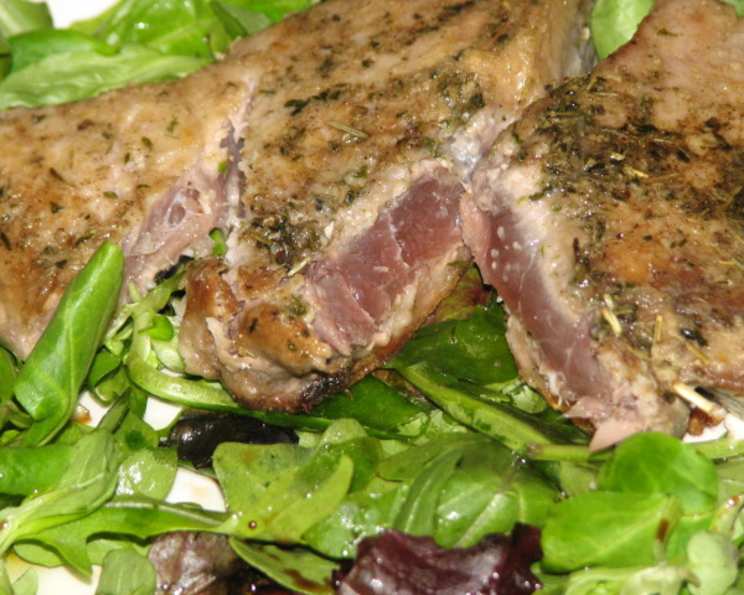
Seared Tuna Steaks with Lemon Butter Sauce: A Taste of the Mediterranean
The first time I tasted tuna cooked this way, I was a young cook working in a small trattoria nestled on the Amalfi Coast. The scent of lemon, garlic, and the salty sea air mingled together as I watched the chef, a stout woman named Nonna Emilia, effortlessly sear the tuna to perfection. The simplicity of the dish belied its exquisite flavor, and I remember thinking, “This is what summer tastes like.” This recipe captures that memory, bringing the bright, fresh flavors of the Mediterranean to your own kitchen.
Recipe Overview
- Prep Time: 5 minutes
- Cook Time: 10 minutes
- Total Time: 15 minutes
- Servings: 4
- Dietary Type: Pescatarian, Gluten-Free
Ingredients
- 4 tuna steaks (fresh)
- To taste flour (for dredging)
- Salt & pepper
- 3 tablespoons butter
- 2 lemons, juice of
- 2 lemons, quartered (for garnish)
Equipment Needed
- Heavy skillet (cast iron recommended)
- Shallow dish for dredging
- Tongs
Instructions
-
Prepare the tuna steaks: Lightly dredge each tuna steak in flour, ensuring a thin and even coating. Season generously with salt and pepper. The flour helps create a beautiful crust when searing.
-
Heat the skillet: Place a heavy skillet (cast iron is ideal for even heat distribution) over medium-high heat. Allow the skillet to get very hot before adding the butter.
-
Melt the butter: Add the butter to the hot skillet. It should melt quickly and shimmer. Be careful not to let it burn.
-
Sear the tuna: Carefully place the floured tuna steaks into the hot skillet. Avoid overcrowding the pan, as this will lower the temperature and prevent proper searing. Cook for approximately 2-3 minutes per side, or until the tuna is lightly browned and cooked to your desired level of doneness. For a medium-rare center, the internal temperature should reach around 125-130°F. Use tongs to flip the steaks gently.
-
Add the lemon juice: Once the tuna steaks are seared on both sides, pour the juice of 2 lemons into the skillet. The juice will sizzle and create a flavorful sauce.
-
Finish cooking: Continue cooking for another minute or two, allowing the lemon juice to slightly reduce and the flavors to meld together. Spoon the lemon butter sauce over the tuna steaks as they cook.
-
Serve: Remove the tuna steaks from the skillet and transfer them to serving plates. Garnish with lemon wedges. Serve immediately.
Expert Tips & Tricks
- Choose the right tuna: Look for tuna steaks that are bright red, firm, and have a fresh, sea-like smell. Avoid steaks that are brown or have a fishy odor.
- Don’t overcook: Tuna is best served medium-rare to medium. Overcooking will result in a dry, tough steak. Use a meat thermometer to ensure accurate doneness.
- Hot pan is key: Make sure your skillet is very hot before adding the tuna. This will create a beautiful sear and prevent the tuna from sticking to the pan.
- Rest the tuna: After searing, let the tuna steaks rest for a few minutes before slicing and serving. This allows the juices to redistribute, resulting in a more tender and flavorful steak.
- Add aromatics: For an extra layer of flavor, consider adding minced garlic or fresh herbs (such as thyme or rosemary) to the skillet along with the butter.
Serving & Storage Suggestions
Serve the seared tuna steaks immediately while they are still warm and the sauce is glistening. This dish pairs beautifully with a variety of sides, such as:
- Roasted vegetables (asparagus, broccoli, zucchini)
- Quinoa or rice pilaf
- A simple green salad with a lemon vinaigrette
- Mashed potatoes or sweet potatoes
Leftover tuna steaks can be stored in an airtight container in the refrigerator for up to 2 days. To reheat, gently warm the tuna in a skillet over low heat or in the microwave. Be careful not to overcook it during reheating. Reheating may dry out the tuna, so consider adding a splash of lemon juice or olive oil. It’s best to consume leftovers as soon as possible.
Nutritional Information
| Nutrient | Amount per Serving | % Daily Value |
|---|---|---|
| Calories | 250 kcal | 13% |
| Total Fat | 12g | 18% |
| Saturated Fat | 6g | 30% |
| Cholesterol | 90mg | 30% |
| Sodium | 100mg | 4% |
| Total Carbohydrate | 5g | 2% |
| Dietary Fiber | 1g | 4% |
| Sugars | 1g | 2% |
| Protein | 30g | 60% |
Note: Nutritional information is an estimate and may vary based on specific ingredients and portion sizes.
Variations & Substitutions
- Spice it up: Add a pinch of red pepper flakes to the skillet along with the lemon juice for a touch of heat.
- Garlic herb butter: Infuse the butter with minced garlic, fresh herbs (parsley, thyme, rosemary), and a squeeze of lemon juice for a more complex flavor.
- Mediterranean twist: Add chopped Kalamata olives, sun-dried tomatoes, and capers to the skillet along with the lemon juice for a taste of the Mediterranean.
- Soy sauce glaze: Instead of lemon juice, use a mixture of soy sauce, honey, and ginger for an Asian-inspired glaze.
- Gluten-free: Use gluten-free flour or cornstarch for dredging.
FAQs (Frequently Asked Questions)
Q: How do I prevent the tuna from sticking to the pan?
A: Make sure the skillet is very hot before adding the butter and tuna. A well-seasoned cast iron skillet or a non-stick pan also helps prevent sticking.
Q: How can I tell if the tuna is cooked to medium-rare?
A: Use a meat thermometer to check the internal temperature. Medium-rare is around 125-130°F. The tuna should also be slightly pink in the center.
Q: Can I use frozen tuna steaks for this recipe?
A: Yes, but make sure to thaw them completely before cooking. Pat them dry with paper towels to remove excess moisture.
Q: What if I don’t have fresh lemons?
A: Bottled lemon juice can be used as a substitute, but fresh lemon juice will provide a brighter, more vibrant flavor.
Q: Can I make the sauce ahead of time?
A: While it’s best to make the sauce fresh, you can prepare it a few hours in advance and reheat it gently before serving.
Final Thoughts
This seared tuna steak recipe is a celebration of simple, fresh ingredients and bright flavors. It’s a quick and easy dish that’s perfect for a weeknight meal or a special occasion. Don’t be afraid to experiment with different variations and seasonings to create your own signature version. I encourage you to try this recipe and share your feedback. Pair it with a crisp white wine for a truly unforgettable dining experience. Enjoy!