
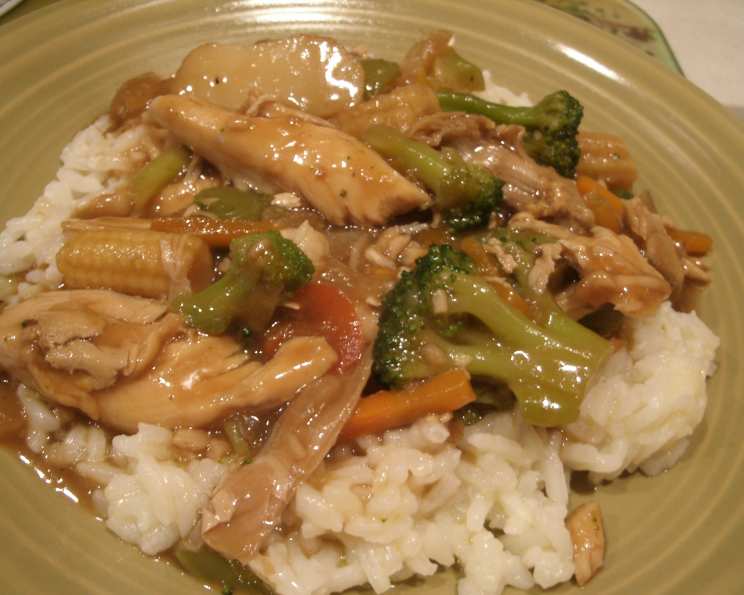
Turkey Chow Mein: A Deliciously Simple Skillet Meal
The aroma of chow mein always takes me back to bustling family dinners. My grandmother, a master of resourceful cooking, would whip up huge batches of this dish, transforming leftover roast chicken (or sometimes, if we were lucky, turkey) into a symphony of savory flavors. The slightly sweet and salty sauce, the satisfying crunch of the noodles, and the tender pieces of meat – it was comfort food at its finest, a warm hug in a bowl that always brought us together. This Turkey Chow Mein recipe is my homage to her culinary magic, a simple yet satisfying way to breathe new life into holiday leftovers.
Recipe Overview
- Prep Time: 10 minutes
- Cook Time: 13 minutes
- Total Time: 23 minutes
- Servings: 4
- Dietary Type: Varies (see variations for gluten-free)
Ingredients
- 1 cup coarsely chopped onion
- 1 tablespoon vegetable oil or peanut oil
- 1 cup diagonally sliced celery
- 1-2 cloves garlic, minced
- 2 cups diced cooked turkey
- 1 (14 ounce) can Chinese vegetables, drained
- 1 cup chicken broth
- 1/2 cup frozen peas
- 2 tablespoons cornstarch
- 2 tablespoons cold water
- 1-2 tablespoon oyster sauce
- 1 tablespoon soy sauce
- Chow mein noodles (for serving)
- Cooked rice (optional, for serving)
- Additional soy sauce (for serving, optional)
Equipment Needed
- Large skillet
- Measuring cups and spoons
- Knife
- Cutting board
- Small bowl
Instructions
-
Begin by prepping your vegetables. Coarsely chop the onion and diagonally slice the celery. Mince the garlic. Set these aside.
-
In a large skillet, heat the vegetable oil or peanut oil over medium heat. Once the oil is shimmering, add the chopped onion and cook for about 5 minutes, or until the onion is softened and translucent. Stir occasionally to prevent burning.
-
Add the diagonally sliced celery and minced garlic to the skillet. Continue to cook for another 5 minutes, stirring occasionally, until the celery is slightly tender and the garlic is fragrant. Be careful not to burn the garlic.
-
Now, add the diced cooked turkey, drained Chinese vegetables, chicken broth, and frozen peas to the skillet. Cover the skillet and cook for 5 minutes, allowing the flavors to meld together and the peas to thaw.
-
In a small bowl, whisk together the cornstarch and cold water until the cornstarch is completely dissolved. This creates a slurry that will thicken the sauce.
-
Add the oyster sauce and soy sauce to the cornstarch slurry and whisk to combine. The amount of oyster sauce can be adjusted to your preference, depending on how strong you want the flavor.
-
Pour the cornstarch mixture into the skillet with the turkey and vegetables.
-
Turn the heat up to medium-high.
-
Cook, stirring constantly for 2 to 3 minutes, until the sauce comes to a boil and thickens to your desired consistency. The constant stirring is crucial to prevent the cornstarch from clumping and ensuring a smooth sauce.
-
Serve hot over chow mein noodles with cooked rice on the side, if desired. Offer additional soy sauce for those who like a saltier flavor.
Expert Tips & Tricks
- Day-Ahead Prep: You can chop the vegetables ahead of time and store them in the refrigerator to save time on the day you plan to cook the chow mein.
- Don’t Overcook the Turkey: Since the turkey is already cooked, avoid overcooking it in the skillet, as it can become dry. Just heat it through.
- Adjust the Sauce: Taste the sauce and adjust the seasoning as needed. Add more soy sauce for saltiness, oyster sauce for a richer flavor, or a pinch of sugar for sweetness.
- Vegetable Variations: Feel free to add other vegetables to the chow mein, such as sliced bell peppers, shredded carrots, or sliced mushrooms.
- Thickening Issues: If the sauce doesn’t thicken enough, mix a little more cornstarch with cold water and add it to the skillet. If it becomes too thick, add a splash more chicken broth.
- Flavor Boost: A dash of sesame oil added at the end of cooking can enhance the dish’s aroma and flavor.
Serving & Storage Suggestions
Serve your Turkey Chow Mein immediately while it’s hot and the noodles are crispy. Garnish with a sprinkle of sesame seeds or chopped green onions for added visual appeal.
Leftovers can be stored in an airtight container in the refrigerator for up to 3-4 days. Reheat gently in a skillet over medium heat, adding a splash of chicken broth or water if needed to prevent drying. Microwaving is also an option, but the noodles may become softer.
While freezing is possible, the texture of the noodles and vegetables may change upon thawing. If you do freeze it, store in an airtight container for up to 2 months. Thaw overnight in the refrigerator before reheating.
Nutritional Information
| Nutrient | Amount per Serving | % Daily Value |
|---|---|---|
| Calories | 213.1 kcal | N/A |
| Calories from Fat | 66 g | 31% |
| Total Fat | 7.4 g | 11% |
| Saturated Fat | 1.6 g | 8% |
| Cholesterol | 53.2 mg | 17% |
| Sodium | 650.6 mg | 27% |
| Total Carbohydrate | 11.6 g | 3% |
| Dietary Fiber | 1.9 g | 7% |
| Sugars | 3.3 g | 13% |
| Protein | 23.8 g | 47% |
Note: Nutritional information is an estimate and may vary based on specific ingredients and portion sizes.
Variations & Substitutions
- Chicken or Pork: As the original recipe suggests, you can easily substitute cooked chicken or pork for the turkey.
- Shrimp Chow Mein: For a seafood twist, use cooked shrimp instead of turkey.
- Vegetarian Chow Mein: Omit the turkey and add more vegetables, such as tofu or tempeh, for a vegetarian option. Use vegetable broth instead of chicken broth.
- Gluten-Free: Use gluten-free soy sauce (tamari) and gluten-free chow mein noodles. Check the label of the oyster sauce to ensure it is gluten-free, or substitute with a gluten-free hoisin sauce. Cornstarch is naturally gluten-free.
- Spicy Chow Mein: Add a pinch of red pepper flakes or a drizzle of sriracha to the skillet for a spicy kick.
- Different Sauces: Experiment with different sauces, such as teriyaki sauce or hoisin sauce, for a unique flavor profile.
FAQs (Frequently Asked Questions)
Q: Can I use fresh vegetables instead of canned Chinese vegetables?
A: Absolutely! Fresh vegetables will add a brighter, crisper texture to the dish. Broccoli, snap peas, and water chestnuts would be great additions. Just be sure to adjust the cooking time accordingly.
Q: Is oyster sauce essential to the recipe?
A: While oyster sauce adds a distinct umami flavor, it can be omitted or substituted with hoisin sauce or a vegetarian mushroom sauce for a similar savory taste.
Q: Can I make this dish ahead of time?
A: Yes, you can prepare the chow mein up to a day in advance. Store it in the refrigerator and reheat it thoroughly before serving. Add the chow mein noodles just before serving to prevent them from becoming soggy.
Q: What’s the best way to reheat leftover chow mein?
A: The best way to reheat chow mein is in a skillet over medium heat. Add a tablespoon or two of water or chicken broth to prevent it from drying out. You can also microwave it, but the noodles may become softer.
Q: Can I use different types of noodles?
A: Yes, you can use other types of noodles, such as lo mein noodles or even spaghetti, in place of chow mein noodles. The cooking time may need to be adjusted depending on the type of noodle you use.
Final Thoughts
This Turkey Chow Mein is more than just a recipe; it’s a way to create a comforting and flavorful meal with minimal effort. Whether you’re using leftover holiday turkey or simply craving a quick and satisfying dinner, this dish is sure to please. Gather your ingredients, follow the steps, and don’t be afraid to experiment with different flavors and variations. Share your creations with loved ones and enjoy the simple pleasure of a homemade meal. Happy cooking!