
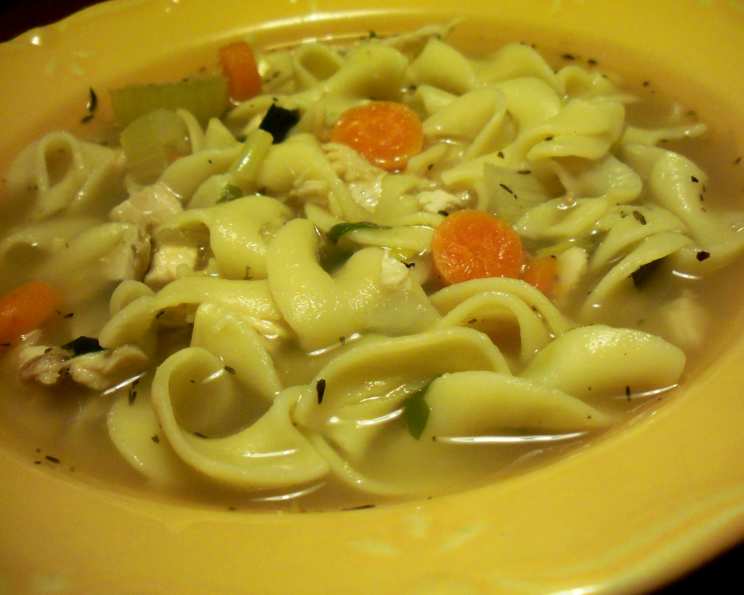
The Ultimate Comfort: Homemade Turkey Noodle Soup
There’s something profoundly comforting about a steaming bowl of homemade soup, especially when the air turns crisp and the leaves begin to fall. As a child, the day after Thanksgiving was always a culinary adventure. While my cousins would clamor for leftover turkey sandwiches, I’d eagerly anticipate the aroma of my grandmother’s legendary turkey noodle soup simmering on the stove. The warmth of the broth, the tender noodles, and the savory turkey created an experience that was like a warm hug on a chilly day. That tradition, that memory, is what I try to recreate every year with this recipe.
Recipe Overview
- Prep Time: 20 minutes
- Cook Time: 22 minutes
- Total Time: 42 minutes
- Servings: 8-10
- Yields: 3 quarts
- Dietary Type: Varies (see variations for gluten-free)
Ingredients
- 3 quarts basic turkey stock
- 1 medium onion, diced medium
- 2 medium carrots, peeled and cut into 1/4-inch-thick rounds
- 1 large celery rib, sliced 1/4 inch thick
- 1 tablespoon minced fresh thyme leaves
- Table salt & fresh ground pepper
- 2-3 cups pasta shells, or other medium-sized pasta shape
- 2 tablespoons minced fresh parsley leaves
Equipment Needed
- Large stockpot or Dutch oven
- Cutting board
- Knife
- Measuring cups and spoons
Instructions
-
Begin by bringing the turkey stock to a simmer in a large stockpot or Dutch oven over medium-high heat. Ensure the stock is of good quality, as it forms the flavor foundation of the entire soup. If using homemade stock, skim off any impurities that rise to the surface.
-
Add the diced onion, carrot rounds, sliced celery rib, minced thyme leaves, and 1 teaspoon of table salt to the simmering stock. The salt will help to season the vegetables and draw out their natural sweetness.
-
Cover the stockpot and allow the mixture to simmer until the vegetables are just tender. This should take approximately 10 minutes. Check the carrots for tenderness with a fork. They should be easily pierced but still retain a slight firmness.
-
Add the pasta shells (or your preferred medium-sized pasta) and the reserved shredded turkey meat from the stock (if you haven’t already shredded it). Stir gently to ensure the pasta is submerged in the broth.
-
Continue to simmer the soup until the pasta is al dente, meaning it’s cooked through but still has a slight bite. This will typically take 10 to 12 minutes, depending on the type of pasta used. Be sure to stir occasionally to prevent the pasta from sticking to the bottom of the pot.
-
Once the pasta is cooked, stir in the minced fresh parsley leaves. The parsley adds a bright, fresh flavor to the soup.
-
Finally, adjust the seasonings with additional salt and pepper to taste. Start with a small amount and gradually add more until you achieve the desired flavor. Remember that flavors meld and intensify as the soup sits, so it’s better to slightly under-season at this stage.
-
Serve hot and enjoy!
Expert Tips & Tricks
- Enhance the Stock: For an even richer flavor, consider roasting the turkey carcass before making the stock. Roasting the bones brings out their savory depth. You can also add roasted garlic cloves or a bay leaf to the stock for added complexity.
- Vegetable Prep: Dice the vegetables uniformly to ensure they cook evenly. This not only improves the texture of the soup but also contributes to a more visually appealing presentation.
- Pasta Choice: The type of pasta you use can significantly impact the overall texture of the soup. Smaller pasta shapes like ditalini or acini di pepe are also excellent choices. Avoid overcooking the pasta, as it will continue to absorb liquid as the soup sits.
- Flavor Boost: A squeeze of fresh lemon juice just before serving can brighten the flavors of the soup.
- Make Ahead: The soup can be made a day or two in advance. The flavors will meld together beautifully. Just be aware that the pasta may absorb some of the broth as it sits, so you may need to add a little extra stock when reheating. Add the parsley just before serving for the freshest flavor.
Serving & Storage Suggestions
Serve the turkey noodle soup hot in bowls, garnished with a sprinkle of fresh parsley and a grind of black pepper. A crusty bread or some crackers are excellent accompaniments.
- Room Temperature: Do not leave the soup at room temperature for more than 2 hours.
- Refrigeration: Store leftover soup in an airtight container in the refrigerator for up to 3-4 days.
- Freezing: For longer storage, freeze the soup in individual portions in freezer-safe containers or bags. It can be frozen for up to 2-3 months. Note that the pasta may become slightly softer after freezing and thawing. To minimize this, slightly undercook the pasta initially.
- Reheating: Reheat the soup gently on the stovetop over medium heat, stirring occasionally. You may need to add a little extra broth or water to thin it out. You can also reheat it in the microwave, stirring every minute or so until heated through.
Nutritional Information
Estimated nutrition data per serving. Actual values may vary based on specific ingredients used.
| Nutrient | Amount per Serving | % Daily Value |
|---|---|---|
| Calories | 220 kcal | 11% |
| Total Fat | 8g | 10% |
| Saturated Fat | 2g | 10% |
| Cholesterol | 40mg | 13% |
| Sodium | 600mg | 26% |
| Total Carbohydrate | 20g | 7% |
| Dietary Fiber | 2g | 7% |
| Sugars | 3g | – |
| Protein | 15g | 30% |
Variations & Substitutions
- Gluten-Free: Substitute gluten-free pasta for the regular pasta shells. Ensure that your turkey stock is also gluten-free (some commercial stocks may contain gluten).
- Vegetarian/Vegan: While this recipe traditionally uses turkey, you can create a similar vegetarian version using vegetable broth and adding white beans or chickpeas for protein. Consider adding mushrooms for an umami flavor.
- Spice it Up: Add a pinch of red pepper flakes or a dash of hot sauce for a little heat.
- Add More Vegetables: Feel free to add other vegetables like diced zucchini, green beans, or corn.
- Herbs: Experiment with different herbs. Rosemary, sage, or oregano can also be used, depending on your preference.
- Creamy Version: For a creamier soup, stir in a splash of heavy cream or half-and-half at the end of cooking.
FAQs (Frequently Asked Questions)
Q: Can I use pre-shredded carrots instead of slicing them myself?
A: Yes, you can use pre-shredded carrots, but slicing them into rounds provides a better texture and prevents them from becoming mushy during cooking.
Q: What can I do if my soup is too salty?
A: Add a peeled potato cut into large chunks to the soup and simmer for 15-20 minutes. The potato will absorb some of the excess salt. Remove the potato before serving. You can also add a teaspoon of sugar or a splash of vinegar to balance the flavors.
Q: How do I prevent the pasta from becoming mushy?
A: Be careful not to overcook the pasta. Cook it until it’s just al dente. If you are making the soup ahead of time, consider cooking the pasta separately and adding it to the soup just before serving.
Q: Can I use leftover chicken instead of turkey?
A: Absolutely! Chicken noodle soup is a classic for a reason. The recipe works equally well with leftover chicken.
Q: How can I thicken my turkey noodle soup?
A: If you prefer a thicker soup, you can whisk together 1 tablespoon of cornstarch with 2 tablespoons of cold water to make a slurry. Stir the slurry into the soup during the last few minutes of cooking. Alternatively, you can mash some of the cooked potatoes or beans in the soup to thicken it naturally.
Final Thoughts
Turkey noodle soup is more than just a recipe; it’s a comforting tradition passed down through generations. The aroma alone can transport you back to cozy kitchens and shared meals. So, gather your ingredients, put on your apron, and create a pot of homemade goodness. Don’t be afraid to experiment with variations and make it your own. And, most importantly, savor every spoonful and share it with those you love. I encourage you to try this recipe and share your creations and feedback. It’s a wonderful way to continue the tradition of creating comforting and delicious food.