
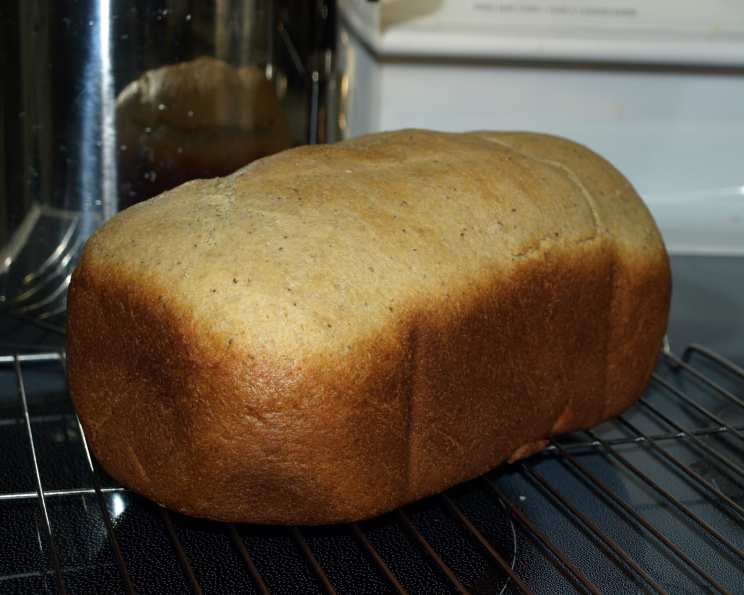
Turkey Sandwich Bread (Aka Stuffing Bread)
The scent of sage, celery seed, and poultry seasoning swirling through the air always transports me back to my grandmother’s kitchen. Every year, without fail, she’d bake a fragrant loaf of this “stuffing bread,” as we affectionately called it, the day after Thanksgiving. It wasn’t meant for stuffing, of course, but for the glorious, towering turkey sandwiches that followed. The slightly dense, perfectly spiced bread cradled juicy slices of turkey, cranberry sauce, and a smear of mayo in a way that no ordinary bread could ever match. The tradition continues in my own kitchen now, a delicious way to extend the holiday spirit just a little bit longer.
Recipe Overview
- Prep Time: 20 minutes
- Cook Time: 1 hour 15 minutes
- Total Time: 1 hour 35 minutes
- Servings: 12
- Yield: 1 loaf
- Dietary Type: Not specified
Ingredients
- 2⁄3 cup creamed cottage cheese
- 1⁄3 cup milk
- 1 egg
- 3 tablespoons softened butter
- 1 tablespoon honey (can substitute with brown or white sugar)
- 1⁄2 teaspoon salt
- 1⁄3 teaspoon black pepper
- 1 teaspoon celery seed
- 1 teaspoon poultry seasoning
- 1 teaspoon ground sage
- 2 1⁄2 cups flour
- 2⁄3 cup fine cornmeal (coarse grind can be substituted)
- 1⁄4 cup toasted wheat germ (optional)
- 1 1⁄2 teaspoons instant yeast
Equipment Needed
- Breadmaker with a horizontal loaf pan
- Measuring cups and spoons
- Mixing Spoons
- Knife for Slicing
Instructions
-
Add all ingredients to the breadmaker pan in the order listed above, or according to your breadmaker manufacturer’s instructions. Accuracy with measurements is key to a successful loaf. Ensure your butter is truly softened but not melted, and that your honey is easily pourable.
-
Select your breadmaker settings. For this recipe, use the rapid bake II cycle (or equivalent), a 2 1/2 pound loaf size, and a medium crust setting. These settings are optimized for the density and flavor profile of this particular bread.
-
Closely monitor the dough during the mixing process. Observe its consistency and adjust as needed. If the dough appears too dry and stiff, gradually add additional milk, one tablespoon at a time. Conversely, if the dough is excessively sticky or wet, incorporate flour in one-tablespoon increments until the desired consistency is achieved. Aim for a smooth, elastic dough that pulls away cleanly from the sides of the breadmaker pan.
-
Before the bread begins its rising phase, carefully remove the mixing paddles from the pan. This step is essential to prevent the formation of large, unsightly holes in the bottom of the loaf. A smooth, even bottom contributes to a more appealing presentation and ensures a consistent texture throughout the bread.
-
Allow the breadmaker to complete its cycle. The baking time will vary depending on your machine, but expect it to take approximately 1 hour and 15 minutes. The bread is done when it sounds hollow when tapped.
-
Once the breadmaker signals that the cycle is complete, promptly remove the pan from the machine. Gently invert the pan to release the loaf onto a cooling rack. Exercise caution, as the pan and bread will be very hot.
-
While the bread is still warm, brush the top crust with melted butter. This simple step enhances the bread’s visual appeal, imparting a glossy sheen and adding a subtle richness to the flavor.
-
Allow the bread to cool completely on the wire rack before slicing. This is a crucial step to prevent the bread from becoming gummy or tearing during slicing. Cooling allows the internal structure of the bread to set, resulting in cleaner, more even slices.
-
Once cooled, slice the bread with a serrated knife and use it for your favorite sandwiches.
Expert Tips & Tricks
- Spice freshness is key: Ensure your celery seed, poultry seasoning, and sage are relatively fresh. Older spices lose their potency, resulting in a less flavorful bread. Consider toasting the spices lightly in a dry pan before adding them to the breadmaker for an even more intense flavor.
- Cottage cheese secrets: The creamed cottage cheese adds a subtle tang and moistness to the bread. If you only have large-curd cottage cheese, pulse it briefly in a food processor until smooth before adding it to the recipe.
- Honey vs. Sugar: The honey contributes a unique sweetness and aroma to the bread, but you can substitute brown or white sugar if preferred. Brown sugar will add a slightly molasses-like flavor, while white sugar will result in a cleaner, more neutral sweetness.
- Don’t skip the wheat germ: While optional, the toasted wheat germ adds a nutty flavor and a boost of nutrients to the bread. Toasting it lightly before adding it to the recipe enhances its flavor even further.
- Troubleshooting dense bread: If your bread consistently turns out dense, try adding a tablespoon of vital wheat gluten to the recipe. This will help to improve the dough’s elasticity and rise.
- Hand-kneading option: If you don’t have a breadmaker, you can certainly make this bread by hand. Combine the wet ingredients in a bowl, then gradually add the dry ingredients, mixing until a shaggy dough forms. Turn the dough out onto a lightly floured surface and knead for 8-10 minutes, or until smooth and elastic. Place the dough in a greased bowl, cover, and let rise in a warm place for 1-1.5 hours, or until doubled in size. Punch down the dough, shape it into a loaf, and place it in a greased loaf pan. Let rise for another 30-45 minutes, or until nearly doubled. Bake in a preheated oven at 350°F (175°C) for 30-35 minutes, or until golden brown and sounds hollow when tapped.
Serving & Storage Suggestions
This turkey sandwich bread is, of course, best served as the base for a hearty turkey sandwich. Pile it high with sliced turkey, cranberry sauce, stuffing, and your favorite condiments. It’s also delicious toasted and served with butter or jam.
To store leftover bread, wrap it tightly in plastic wrap or place it in an airtight container. It will keep at room temperature for 2-3 days, in the refrigerator for up to a week, or in the freezer for up to 2 months. To reheat frozen bread, thaw it completely before toasting or using it for sandwiches.
Nutritional Information
| Nutrient | Amount per Serving | % Daily Value* |
|---|---|---|
| Calories | 175 kcal | N/A |
| Calories from Fat | 41 kcal | N/A |
| Total Fat | 4.7 g | 7% |
| Saturated Fat | 2.5 g | 12% |
| Cholesterol | 28 mg | 9% |
| Sodium | 177.3 mg | 7% |
| Total Carbohydrate | 27.6 g | 9% |
| Dietary Fiber | 1.4 g | 5% |
| Sugars | 1.6 g | N/A |
| Protein | 5.7 g | 11% |
*Percent Daily Values are based on a 2,000 calorie diet. Your daily values may be higher or lower depending on your calorie needs.
Variations & Substitutions
- Gluten-Free Version: Substitute the all-purpose flour with a gluten-free blend specifically designed for bread making. You may also need to add a binding agent like xanthan gum to improve the texture.
- Vegan Option: Replace the cottage cheese with a plant-based alternative like silken tofu (pureed until smooth) or vegan cream cheese. Substitute the egg with a flax egg (1 tablespoon ground flaxseed mixed with 3 tablespoons water, let sit for 5 minutes to thicken). Ensure the butter is a vegan butter substitute.
- Herb Variations: Experiment with different herbs and spices to customize the flavor. Try adding rosemary, thyme, or marjoram for a more savory profile.
- Nutty Additions: Incorporate chopped nuts like walnuts or pecans for added texture and flavor.
FAQs (Frequently Asked Questions)
Q: Can I use active dry yeast instead of instant yeast?
A: Yes, you can. However, you will need to proof the active dry yeast in warm water with a pinch of sugar for about 5-10 minutes before adding it to the breadmaker.
Q: My bread is too crumbly. What did I do wrong?
A: A crumbly texture can be caused by too much flour or not enough liquid. Make sure to measure your ingredients accurately and adjust the liquid as needed during the mixing process.
Q: Can I add other vegetables to this bread?
A: Absolutely! Sautéed celery and onion are classic additions. Just make sure to cook them until softened before adding them to the breadmaker.
Q: How do I prevent the top of the bread from burning?
A: If your bread tends to brown too quickly, you can tent the top with aluminum foil during the last 15-20 minutes of baking.
Q: Can I freeze the dough instead of baking it right away?
A: Freezing dough made with instant yeast isn’t recommended, as the yeast activity can be unpredictable after thawing. It’s best to bake the bread and then freeze the finished loaf.
Final Thoughts
This Turkey Sandwich Bread is more than just a recipe; it’s a tradition, a comforting reminder of family gatherings and delicious leftovers. Don’t be afraid to experiment with different herbs and spices to create your own signature version. And most importantly, don’t forget to share it with loved ones! Bake a loaf, pile on the turkey, and savor the taste of homemade goodness.