
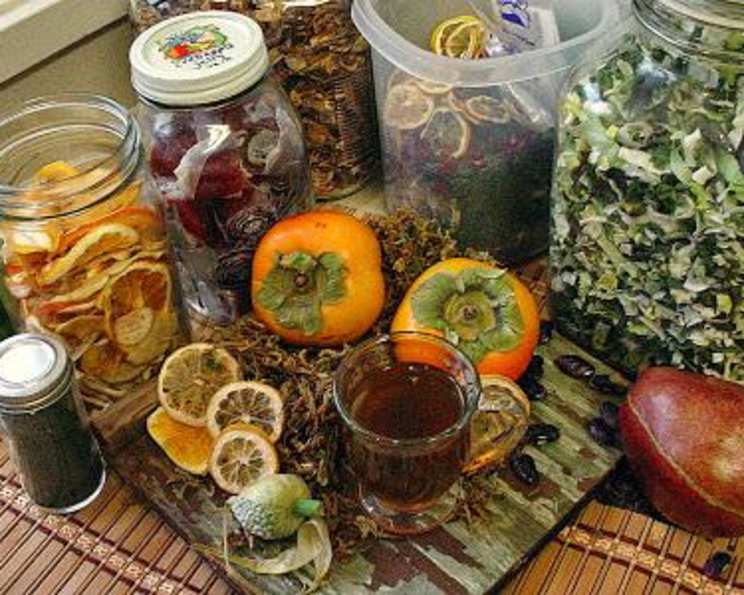
Aromatic Turkish Tea: A Taste of Tradition
The first time I encountered true Turkish tea wasn’t in a bustling Istanbul bazaar, but rather in a small, sun-drenched courtyard of a family home nestled in the Anatolian countryside. The matriarch, with eyes as warm as the tea she served, presented me with a delicate, tulip-shaped glass filled with a deep amber liquid. The rich, slightly bitter aroma mingled with the scent of blooming jasmine, creating an unforgettable sensory experience. Sipping that tea, slowly and deliberately, felt like participating in a centuries-old ritual, a moment of shared warmth and connection that transcended language. It sparked a lifelong love affair with this simple yet profound beverage.
Recipe Overview
- Prep Time: 5 minutes
- Cook Time: 5 minutes
- Total Time: 10 minutes
- Servings: 4
- Dietary Type: Vegan
Ingredients
- 4 cups water
- 5-6 whole Omani dried lemons
- 2 tablespoons honey
- Sugar, to taste (optional)
Equipment Needed
- Saucepan
- Strainer
Instructions
-
Begin by preparing the Omani dried lemons. Carefully break them open and remove most of the interior pulp. It’s crucial to save only the dried peels, as they hold the essential oils and concentrated flavor. Discard the excess pulp, as it can impart an overly bitter taste to the tea.
-
In a saucepan, combine the water, prepared lemon peels, and honey.
-
Bring the mixture to a boil over medium-high heat. Once boiling, reduce the heat to low and simmer gently for about five minutes. This allows the flavors to meld and infuse the water with the characteristic citrus notes of the dried lemons.
-
Taste the tea and add sugar to your liking, if desired. Keep in mind that the dried lemons already offer a certain level of sweetness, so start with a small amount of sugar and adjust as needed.
-
Carefully strain the tea through a fine-mesh strainer to remove the lemon peels and any remaining sediment.
-
Serve hot in traditional tulip-shaped glasses or your favorite teacups.
Expert Tips & Tricks
- Quality of Water: Using filtered water can significantly improve the taste of your Turkish tea. Tap water often contains impurities that can affect the overall flavor profile.
- Lemon Preparation: Be meticulous in removing the interior pulp of the dried lemons. Leaving too much pulp can result in an overly tart and bitter brew.
- Honey Selection: Opt for a high-quality honey with a delicate floral aroma. This will complement the citrus notes of the dried lemons without overpowering them.
- Simmering Time: Adjust the simmering time to your taste. A longer simmering time will result in a more intense flavor, while a shorter time will yield a lighter, more subtle brew.
- Adjusting Sweetness: The amount of honey or sugar can be adjusted to suit your personal preferences. Start with a small amount and gradually add more until you achieve the desired sweetness.
- Reviving Dried Lemons: If your dried lemons seem overly dry, you can briefly soak them in warm water for a few minutes before using them. This will help to rehydrate the peels and release their aromatic oils.
Serving & Storage Suggestions
Turkish tea is best enjoyed hot, immediately after brewing. Traditionally, it’s served in delicate, tulip-shaped glasses without milk. Accompany it with small pastries, nuts, or dried fruits for a complete Turkish tea experience.
If you happen to have leftover tea, it can be stored in an airtight container in the refrigerator for up to 24 hours. Reheat gently on the stovetop or in the microwave before serving. The flavor may diminish slightly upon reheating, so it’s best to consume it fresh. Storing the tea for longer than 24 hours is not recommended, as it can develop an off-flavor.
Nutritional Information
| Nutrient | Amount per Serving | % Daily Value |
|---|---|---|
| Calories | 25 kcal | 1% |
| Total Fat | 0g | 0% |
| Saturated Fat | 0g | 0% |
| Cholesterol | 0mg | 0% |
| Sodium | 2mg | 0% |
| Total Carbohydrate | 6g | 2% |
| Dietary Fiber | 0g | 0% |
| Sugars | 6g | 12% |
| Protein | 0g | 0% |
Nutritional information is an estimate and may vary based on specific ingredients and preparation methods.
Variations & Substitutions
- Citrus Blend: Experiment with adding other citrus peels, such as orange or grapefruit, to create a more complex flavor profile.
- Spiced Tea: Infuse the tea with warming spices like cinnamon, cardamom, or cloves for a comforting winter beverage. Add the spices during the simmering process.
- Herbal Infusion: Incorporate fresh herbs like mint or sage for a refreshing twist. Add the herbs towards the end of the simmering time to preserve their delicate flavors.
- Sweetener Alternatives: If you prefer a sugar-free option, use stevia or monk fruit sweetener instead of honey or sugar.
- Lemon Variety: If Omani dried lemons are unavailable, you can try using other types of dried lemons or even fresh lemon peels, although the flavor will be slightly different. You may need to adjust the quantity to achieve the desired taste.
FAQs (Frequently Asked Questions)
Q: What are Omani dried lemons?
A: Omani dried lemons are limes that have been sun-dried, resulting in a concentrated citrus flavor and a unique aroma. They are a staple ingredient in Middle Eastern cuisine and impart a distinctive taste to teas and other dishes.
Q: Can I use regular lemons instead of Omani dried lemons?
A: While you can use regular lemon peels, the flavor will not be exactly the same. Omani dried lemons have a more intense and slightly fermented flavor due to the drying process. If using regular lemons, you may need to use more peels to achieve a similar level of citrus intensity.
Q: How can I tell if the tea is strong enough?
A: The strength of the tea is a matter of personal preference. After simmering for five minutes, taste the tea and adjust the simmering time accordingly. Simmering for a longer period will result in a stronger, more concentrated flavor.
Q: Is Turkish tea traditionally served with milk?
A: No, Turkish tea is traditionally served without milk. It is typically enjoyed on its own, allowing the pure flavors of the tea and dried lemons to shine through.
Q: Can I make this tea in a traditional Turkish teapot (çaydanlık)?
A: Absolutely! If you have a çaydanlık, you can use it to brew the tea in the traditional Turkish manner. The process involves brewing a strong tea concentrate in the upper pot and diluting it with hot water from the lower pot to achieve the desired strength.
Final Thoughts
This aromatic Turkish tea recipe is more than just a set of instructions; it’s an invitation to experience a taste of tradition and hospitality. The simple yet profound flavors of dried lemons and honey create a soothing and invigorating beverage that can be enjoyed any time of day. I encourage you to try this recipe, experiment with variations, and share your own unique twist with friends and family. Perhaps pair it with a selection of Turkish delights or baklava for an authentic and unforgettable experience.