
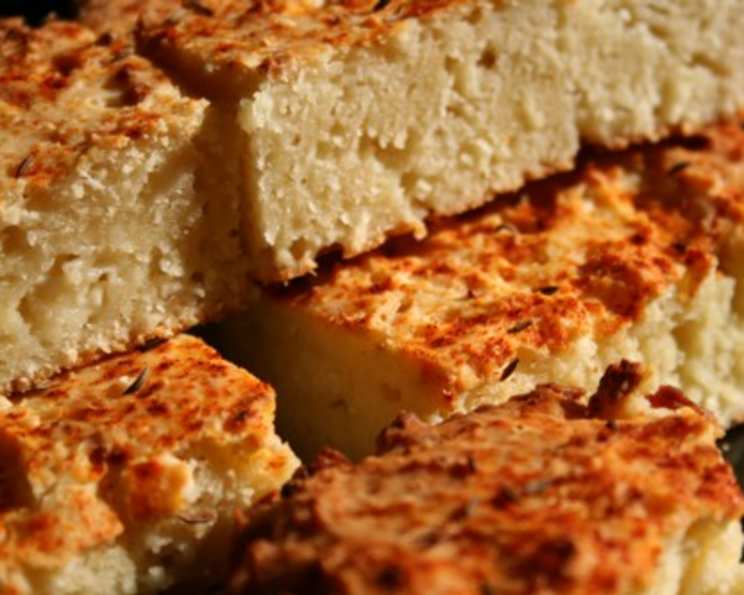
Tutmanik: A Taste of Bulgarian Comfort
The first time I tasted Tutmanik, I was standing in a bustling bakery in Sofia, the scent of warm cheese and yeast filling the air. The baker, a woman with flour dusting her apron and a smile that could melt glaciers, handed me a still-warm square. As I bit into the soft, slightly tangy bread, I knew I was experiencing something special – a taste of home, of tradition, and of simple, comforting goodness. The feta’s salty tang mingled with the subtle sweetness of the bread, creating a symphony of flavors that lingered long after the last crumb was gone. Now, I bring that taste of Bulgarian comfort to my own kitchen, and I’m excited to share it with you.
Recipe Overview
- Prep Time: 15 minutes
- Cook Time: 20 minutes
- Total Time: 35 minutes
- Servings: 4
- Yield: 1 (9×9 inch) pie
- Dietary Type: Vegetarian
Ingredients
- 1 cup plain yogurt
- 2 medium eggs
- 1/4 cup olive oil
- 1/2 lb feta cheese, crumbled
- 1/2 teaspoon salt
- 1 tablespoon sugar
- 1/2 teaspoon baking soda
- 2 cups flour
- 1 teaspoon baking powder
- 1/2 teaspoon paprika
- 1 teaspoon caraway seeds
Equipment Needed
- Medium bowl
- Sifter (optional)
- 9×9 inch baking dish
- Measuring cups and spoons
- Whisk or spoon
Instructions
-
Preheat your oven to 400 degrees Fahrenheit (200 degrees Celsius). Ensure your oven rack is positioned in the center for even baking.
-
In a medium bowl, combine the yogurt, eggs, olive oil, feta cheese, salt, and sugar. Mix well until the ingredients are thoroughly combined. The mixture should be relatively smooth.
-
In a separate bowl, sift together the flour, baking powder, and baking soda. Sifting helps to create a lighter, more tender texture, but if you don’t have a sifter, whisking them together thoroughly will also work.
-
Slowly add the dry ingredients (the flour mixture) to the wet ingredients (the yogurt mixture). Stir continuously until just combined. Be careful not to overmix, as this can result in a tough Tutmanik. A few lumps are perfectly fine.
-
Grease a 9×9 inch baking dish thoroughly. This will prevent the Tutmanik from sticking and ensure easy removal after baking. You can use olive oil, butter, or cooking spray for this step.
-
Pour the batter into the prepared baking dish, spreading it evenly.
-
Lightly sprinkle the top of the batter with paprika and caraway seeds. The paprika adds a touch of color and mild spice, while the caraway seeds contribute a distinctive aroma and flavor.
-
Bake in the preheated oven for 20 minutes, or until a toothpick inserted into the center comes out clean. The Tutmanik should be golden brown on top and slightly puffed up. Keep an eye on it during the last few minutes of baking to prevent burning. If the top is browning too quickly, you can loosely tent it with foil.
-
Remove from the oven and let cool slightly before serving. This allows the Tutmanik to set and makes it easier to cut.
-
Serve warm, ideally with a pat of butter on top.
Expert Tips & Tricks
- Cheese Choice: While feta is traditional, feel free to experiment with other cheeses. A combination of feta and ricotta, or even a sharp cheddar, can add interesting flavor dimensions.
- Yogurt Consistency: If your yogurt is particularly thick, you might need to add a splash of milk to loosen the batter slightly. The batter should be pourable but not too runny.
- Make-Ahead Option: The batter can be prepared a few hours in advance and stored in the refrigerator. Just give it a good stir before pouring it into the baking dish.
- Preventing a Soggy Bottom: Ensure your oven is properly preheated before baking. A hot oven is crucial for a well-baked Tutmanik with a crisp bottom.
- Reheating: To reheat leftover Tutmanik, wrap it loosely in foil and warm it in a low oven (around 300°F/150°C) until heated through. You can also microwave it in short bursts, but be careful not to overcook it.
- Egg Wash (Optional): For an even more golden-brown crust, brush the top of the Tutmanik with a beaten egg before sprinkling with paprika and caraway seeds.
Serving & Storage Suggestions
Tutmanik is best served warm, fresh from the oven. It makes a wonderful breakfast, brunch, or light lunch. Serve it alongside a simple green salad or a bowl of creamy yogurt. A dollop of sour cream or a sprinkle of fresh herbs also adds a nice touch.
Leftover Tutmanik can be stored at room temperature for up to 2 days, or in the refrigerator for up to 4 days. To store, wrap it tightly in plastic wrap or place it in an airtight container to prevent it from drying out. For longer storage, you can freeze it for up to 2 months. Thaw it overnight in the refrigerator before reheating.
Nutritional Information
Nutritional information is an estimate and may vary based on specific ingredients and portion sizes.
| Nutrient | Amount per Serving | % Daily Value |
|---|---|---|
| Calories | 450 kcal | 23% |
| Total Fat | 25g | 38% |
| Saturated Fat | 15g | 75% |
| Cholesterol | 120mg | 40% |
| Sodium | 800mg | 33% |
| Total Carbohydrate | 40g | 13% |
| Dietary Fiber | 2g | 8% |
| Sugars | 5g | – |
| Protein | 15g | 30% |
Variations & Substitutions
- Gluten-Free Tutmanik: Substitute the all-purpose flour with a gluten-free blend. You may need to add a binding agent like xanthan gum to help with the texture.
- Dairy-Free Tutmanik: Use a plant-based yogurt alternative such as soy, almond, or coconut yogurt. You can also use a dairy-free feta cheese alternative, though the flavor may differ slightly.
- Herb Infusion: Add chopped fresh herbs like dill, parsley, or chives to the batter for a more herbaceous flavor.
- Spicy Tutmanik: Add a pinch of red pepper flakes to the batter or sprinkle some on top along with the paprika for a spicy kick.
- Vegetable Additions: Incorporate finely chopped vegetables like spinach, zucchini, or bell peppers into the batter for added nutrients and flavor.
FAQs (Frequently Asked Questions)
Q: Can I use low-fat yogurt for this recipe?
A: Yes, you can use low-fat yogurt, but the Tutmanik may be slightly drier. Consider adding a tablespoon of olive oil to compensate.
Q: Can I freeze Tutmanik?
A: Yes, Tutmanik freezes well. Wrap it tightly in plastic wrap and then in foil, or place it in an airtight freezer bag. Thaw it overnight in the refrigerator before reheating.
Q: My Tutmanik is too moist in the middle. What did I do wrong?
A: This can happen if the oven temperature is too low or if the baking time is insufficient. Ensure your oven is properly preheated and that you bake the Tutmanik until a toothpick inserted into the center comes out clean.
Q: Can I use a different type of cheese instead of feta?
A: Absolutely! While feta is traditional, you can experiment with other cheeses like ricotta, cheddar, or even mozzarella. Just keep in mind that the flavor profile will change accordingly.
Q: Why add sugar to a savory dish?
A: A small amount of sugar helps to balance the tangy flavor of the yogurt and feta cheese. It also contributes to the browning of the crust.
Final Thoughts
Tutmanik is more than just a cheese bread; it’s a taste of Bulgarian heritage, a symbol of warmth and hospitality, and a reminder that simple ingredients, when combined with love and care, can create something truly extraordinary. I encourage you to try this recipe and experience the comforting flavors of Tutmanik for yourself. Don’t be afraid to experiment with variations and personalize it to your own tastes. And please, share your creations and feedback – I’d love to hear about your Tutmanik journey! Pair it with a light salad and a glass of crisp white wine for a truly delightful meal.