
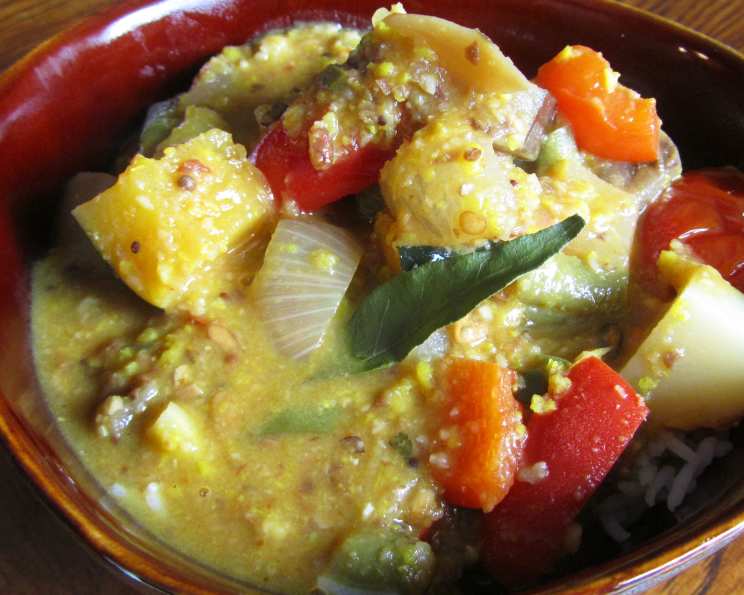
The Soulful Simplicity of Udipi Sambar
The first time I tasted authentic Udipi sambar, I was a wide-eyed culinary student backpacking through South India. It wasn’t in a fancy restaurant, but a tiny, bustling eatery in Mangalore, the very heart of Udipi cuisine. The aroma of roasted spices, tamarind, and fresh curry leaves hung heavy in the air, beckoning me in. Served alongside a perfectly crisp dosa, that first spoonful of sambar was an epiphany – a harmonious dance of sweet, sour, and savory that I knew I had to master. It was a taste of pure, unadulterated comfort and tradition.
Recipe Overview
- Prep Time: 20 minutes
- Cook Time: 30 minutes
- Total Time: 50 minutes
- Servings: 4-6
- Dietary Type: Vegan
Ingredients
- ½ cup tuvar dal (split pigeon peas)
- ½ teaspoon fenugreek seeds
- 1 teaspoon urad dal (split black lentils)
- 6 red chilies
- 1 ½ tablespoons coriander seeds
- 5 sprigs curry leaves
- ¼ cup grated coconut
- 25-30 shallots, cleaned and peeled (small red onions called sambar onions in India)
- ½ teaspoon mustard seeds
- 1 pinch hing (asafoetida)
- 2 green chilies, slit
- 2 cups chopped vegetables of your choice (brinjals/eggplant, carrots, French beans, pumpkin, yam)
- 50 ml tamarind pulp (from a lemon-sized ball of tamarind soaked in 1/3 cup of water)
- ¼ teaspoon salt, or to taste
- 1 ½ teaspoons jaggery (or 1 ½ teaspoons brown sugar)
- Oil (vegetable or coconut oil)
Equipment Needed
- Heavy-bottomed pan or pot
- Pressure cooker or pot for cooking dal
- Grinder or blender
- Measuring cups and spoons
Instructions
-
Cook the tuvar dal: Wash the tuvar dal thoroughly and cook it in a pressure cooker or pot until tender. Once cooked, mash the dal and set aside. You should aim for a soft, porridge-like consistency.
-
Roast the spices: Heat 1 tablespoon of oil in a heavy-bottomed pan. Add the fenugreek seeds and roast until they turn light red, being careful not to burn them. Next, add the ½ teaspoon of urad dal and sauté until it changes color.
-
Add chilies and coriander: Add the red chilies and coriander seeds to the pan and continue roasting for another minute or two, stirring constantly to prevent burning.
-
Sauté curry leaves and coconut: Add 3 sprigs of curry leaves and the grated coconut to the pan. Roast everything together until the coconut turns light brown and the spices release a fragrant aroma. This step is crucial for developing the signature flavor of Udipi sambar.
-
Grind to a paste: Allow the roasted spice mixture to cool slightly. Then, transfer it to a grinder or blender, add a little water, and grind into a fine paste. Set aside.
-
Prepare the tempering: Heat 1 tablespoon of oil in the same pan. Add the mustard seeds and wait for them to splutter, indicating they are ready.
-
Add urad dal and hing: Add ½ teaspoon of urad dal and a pinch of hing to the pan. Fry for about a minute, allowing the urad dal to turn golden brown.
-
Sauté onions, chilies, and curry leaves: Add the shallots (sambar onions) and green chilies (slit lengthwise) along with the remaining curry leaves to the pan. Sauté the onions until they turn translucent and slightly softened.
-
Add vegetables: Add your choice of chopped vegetables (brinjals/eggplant, carrots, French beans, pumpkin, and/or yam) to the pan. Fry the vegetables for a few minutes until they are lightly coated in the oil and spices. This step helps to enhance their flavor and texture.
-
Cook the vegetables: Add a little water to the pan, just enough to partially cover the vegetables. Cover the pan and cook until the vegetables are tender. Check the vegetables periodically and add more water if needed to prevent them from sticking to the bottom of the pan.
-
Add tamarind pulp: Extract the pulp from the tamarind by soaking a lemon-sized ball of tamarind in 1/3 cup of water. Squeeze the tamarind to extract the pulp, then strain it to remove any seeds or fibers. Add the tamarind pulp to the vegetables.
-
Season with salt and jaggery: Add salt to taste and the jaggery (or brown sugar) to the pan. Cook until the raw smell of the tamarind disappears, about 5-7 minutes. The jaggery balances the sourness of the tamarind and adds a subtle sweetness to the sambar.
-
Add mashed dal and ground masala: Add the mashed tuvar dal and the ground spice paste to the pan.
-
Simmer: Mix everything well, ensuring the dal and spice paste are evenly distributed. Add a little water if needed to achieve your desired consistency. Simmer for a few minutes, allowing the flavors to meld together.
-
Serve: Serve hot with dosas, idlis, or rice.
Expert Tips & Tricks
- Spice roasting is key: Don’t skimp on the spice roasting. It’s what gives Udipi sambar its distinct, deep flavor. Watch carefully to avoid burning.
- Use fresh ingredients: The fresher the ingredients, especially the curry leaves and vegetables, the better the flavor.
- Tamarind adjustment: Tamarind pulp can vary in acidity. Adjust the amount of jaggery to balance the sourness to your liking.
- Vegetable variations: Feel free to experiment with different vegetables based on seasonal availability and your personal preference. Okra, drumsticks, and potatoes are also great additions.
- Make-ahead tip: You can prepare the spice paste ahead of time and store it in the refrigerator for up to 3 days. This will shorten the cooking time when you’re ready to make the sambar.
- Consistency control: Adjust the consistency of the sambar by adding more water as needed. Some prefer a thicker sambar, while others prefer a thinner, soupier version.
Serving & Storage Suggestions
Udipi sambar is traditionally served hot with dosas, idlis, vada, or rice. Garnish with a sprig of fresh curry leaves and a dollop of ghee (optional).
Leftover sambar can be stored in an airtight container in the refrigerator for up to 3 days. It can also be frozen for longer storage (up to 2 months). To reheat, simply microwave or heat on the stovetop until warmed through. You may need to add a little water if the sambar has thickened during storage.
Nutritional Information
| Nutrient | Amount per Serving | % Daily Value |
|---|---|---|
| Calories | 250 kcal | 13% |
| Total Fat | 8g | 10% |
| Saturated Fat | 2g | 10% |
| Cholesterol | 0mg | 0% |
| Sodium | 300mg | 13% |
| Total Carbohydrate | 35g | 13% |
| Dietary Fiber | 8g | 32% |
| Sugars | 8g | |
| Protein | 10g | 20% |
Nutritional information is an estimate and may vary based on specific ingredients and serving sizes.
Variations & Substitutions
- Gluten-free: This recipe is naturally gluten-free. Ensure that the hing (asafoetida) you use is gluten-free, as some brands may contain wheat flour as a filler.
- Spice level: Adjust the number of red and green chilies to control the spice level to your preference.
- Vegetable swaps: As mentioned before, feel free to use any vegetables you like. Bottle gourd (lauki) and radish also work well.
- Vegan alternatives: This recipe is already vegan!
- Ghee alternative: While traditionally some people add a spoonful of ghee on top, this can be omitted to ensure it is vegan-friendly.
FAQs (Frequently Asked Questions)
Q: Can I make this sambar without vegetables?
A: Yes, you can! While vegetables add to the nutritional value and flavor, you can certainly make sambar with just the dal, spices, and tamarind.
Q: Can I use sambar powder instead of roasting the spices?
A: This recipe is specifically designed to create a unique flavor profile without using pre-made sambar powder. Roasting the spices fresh provides a more vibrant and complex taste.
Q: How do I prevent the tuvar dal from sticking to the bottom of the pot?
A: Use a heavy-bottomed pot or pressure cooker, and stir the dal occasionally while it’s cooking. Adding a teaspoon of oil can also help prevent sticking.
Q: Can I use lemon juice instead of tamarind pulp?
A: While lemon juice can provide some acidity, it won’t replicate the unique flavor of tamarind. If tamarind isn’t available, try using a small amount of amchur (dried mango powder) along with the lemon juice for a closer approximation.
Q: The sambar is too sour. How can I fix it?
A: Add a little more jaggery or brown sugar to balance the acidity. You can also add a small amount of water to dilute the sourness.
Final Thoughts
Udipi sambar is more than just a dish; it’s a culinary hug from South India. It’s a testament to the power of simple ingredients, carefully roasted spices, and the magic that happens when they all come together in one pot. Don’t be intimidated by the list of ingredients; each one plays a vital role in creating the symphony of flavors that makes this sambar so special. I encourage you to try this recipe, experiment with different vegetables, and make it your own. Serve it with crispy dosas or fluffy idlis for the ultimate South Indian experience, and share your creations with friends and family. I hope you enjoy it!