
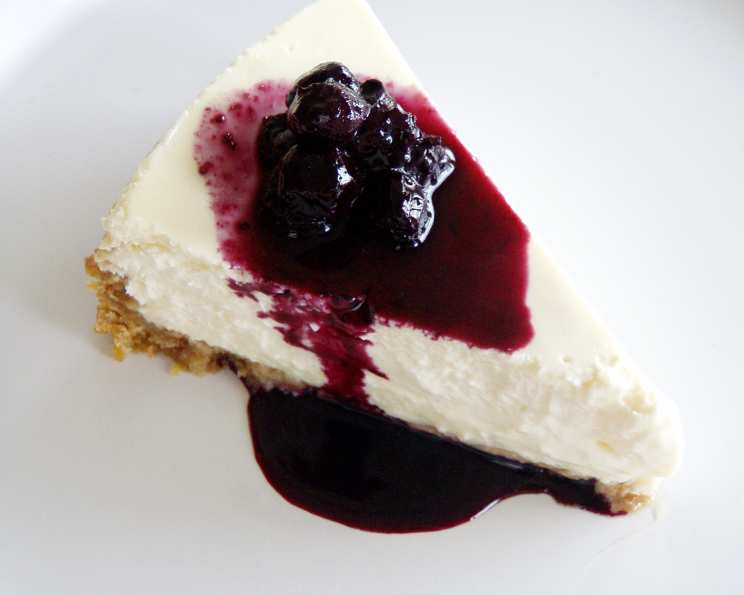
Ultimate Cheesecake
The first time I truly understood the magic of cheesecake was during my apprenticeship at a tiny Parisian patisserie. Amidst a symphony of macarons and éclairs, the head pastry chef, Madame Dubois, entrusted me with her secret cheesecake recipe. It wasn’t just the taste – a velvety smooth texture balanced by a tangy sweetness – but the ritual of its creation. The gentle folding, the patient baking, and the anticipation of that first slice. It was more than dessert; it was an act of love. Ever since, I’ve been chasing that perfect cheesecake, tweaking and refining, and I’m thrilled to share my “Ultimate Cheesecake” recipe with you.
Recipe Overview
- Prep Time: 30 minutes
- Inactive Prep Time: 4 hours 30 minutes
- Cook Time: 1 hour 15 minutes
- Yield: 6 to 8 servings
- Dietary Type: Not specified in source; contains dairy and gluten
Ingredients
Crust
- 2 cups finely ground graham crackers (about 30 squares)
- ½ teaspoon ground cinnamon
- ½ cup unsalted butter, melted
Filling
- 1 lb cream cheese, softened
- 3 eggs
- 1 cup sugar
- 1 pint sour cream
- 1 lemon, zest of
- 1 dash vanilla extract
Warm Lemon Blueberry Topping
- 1 pint blueberries
- 1 lemon, zest of
- 1 lemon, juice of
- 2 tablespoons sugar
Equipment Needed
- 8-inch springform pan
- Mixing bowls
- Electric mixer
- Measuring cups and spoons
- Fork
- Non-stick cooking spray
- Spatula
- Large roasting pan
- Aluminum foil
- Small saucepan
Instructions
-
Prepare the Crust: Preheat your oven to 325 degrees F (160 degrees C).
-
In a mixing bowl, combine the finely ground graham crackers, ground cinnamon, and melted unsalted butter. Use a fork to mix the ingredients until evenly moistened. Ensure all the crumbs are coated with the butter, creating a mixture that will hold its shape.
-
Lightly coat the bottom and sides of an 8-inch springform pan with non-stick cooking spray. This will help the cheesecake release cleanly after baking.
-
Pour the graham cracker mixture into the prepared pan. Use the bottom of a measuring cup or the smooth bottom of a glass to press the crumbs down into the base and 1-inch up the sides of the pan. Apply even pressure to create a firm and uniform crust.
-
Refrigerate the crust for 5 minutes to help it set before adding the filling.
-
Prepare the Filling: In the bowl of an electric mixer, beat the softened cream cheese on low speed for 1 minute until smooth and free of any lumps. Ensure the cream cheese is properly softened to prevent lumps from forming in the batter.
-
Add the eggs, one at a time, and continue to beat slowly until just combined. Avoid overmixing at this stage, as it can incorporate too much air into the batter, leading to cracks in the finished cheesecake.
-
Gradually add the sugar and beat until creamy, for 1 to 2 minutes. The mixture should be light and airy.
-
Add the sour cream, lemon zest, and vanilla extract. These ingredients add moisture, tanginess, and depth of flavor to the cheesecake.
-
Periodically scrape down the sides of the bowl and the beaters with a spatula to ensure all ingredients are evenly incorporated.
-
The batter should be well-mixed but not overbeaten. Overmixing can lead to a tough cheesecake.
-
Pour the filling into the crust-lined pan and smooth the top with a spatula. This will ensure an even surface for baking.
-
Bake the Cheesecake: Set the cheesecake pan on a large piece of aluminum foil and fold up the sides around it. This creates a water-tight barrier to prevent water from seeping into the cheesecake.
-
Place the cake pan in a large roasting pan. Pour boiling water into the roasting pan until the water is about halfway up the sides of the cheesecake pan. This creates a water bath, which helps to bake the cheesecake evenly and prevent cracking.
-
Bake for 1 hour to 1 hour 15 minutes. The cheesecake should still jiggle slightly in the center (it will firm up after chilling), so be careful not to overcook. An internal temperature of 150°F (65°C) is ideal.
-
Cool and Chill: Let the cheesecake cool in the pan for 30 minutes. This allows the cheesecake to gradually cool and set, preventing it from cracking.
-
Chill in the refrigerator, loosely covered, for at least 4 hours, or preferably overnight. This allows the cheesecake to fully set and develop its flavor.
-
Unmold and Top: Loosen the cheesecake from the sides of the pan by running a thin metal spatula around the inside rim. This will help the cheesecake release cleanly from the pan.
-
Unmold the cheesecake and transfer it to a cake plate.
-
Using a spatula, spread a layer of Warm Lemon Blueberry topping over the surface.
-
Prepare the Warm Lemon Blueberry Topping: In a small saucepan, add the blueberries, lemon zest, lemon juice, and sugar.
-
Simmer over medium heat for about 5 minutes, or until the fruit begins to break down slightly. Stir occasionally to prevent sticking.
-
Leave the topping to cool slightly before spreading it on the cheesecake.
-
Slice and Serve: Slice the cheesecake with a thin, non-serrated knife that has been dipped in hot water. Wipe the knife dry after each cut to ensure clean slices.
Expert Tips & Tricks
- Preventing Cracks: The water bath is crucial for preventing cracks. Make sure the aluminum foil is securely wrapped around the springform pan to prevent water from seeping in.
- Softening Cream Cheese: Properly softened cream cheese is essential for a smooth batter. Leave the cream cheese at room temperature for at least an hour before using.
- Checking for Doneness: The cheesecake should jiggle slightly in the center when it’s done. It will firm up as it cools. If the cheesecake is browning too quickly, tent it with foil.
- Make Ahead: The cheesecake can be made a day or two in advance and stored in the refrigerator. The flavors will meld and deepen over time.
- Ingredient Swaps: For a richer flavor, use full-fat sour cream and cream cheese. For a tangier flavor, add a tablespoon of lemon juice to the filling.
Serving & Storage Suggestions
Serve the cheesecake chilled, with the warm blueberry topping spooned over each slice. You can also garnish with fresh blueberries and a sprig of mint. Leftover cheesecake should be stored in an airtight container in the refrigerator for up to 5 days. For longer storage, freeze individual slices wrapped in plastic wrap and placed in a freezer-safe bag. Thaw overnight in the refrigerator before serving.
Nutritional Information
| Nutrient | Amount per Serving | % Daily Value |
|---|---|---|
| Calories | 872.6 kcal | N/A |
| Calories from Fat | 556 kcal | 64% |
| Total Fat | 61.8 g | 95% |
| Saturated Fat | 34.4 g | 171% |
| Cholesterol | 256.8 mg | 85% |
| Sodium | 476.6 mg | 19% |
| Total Carbohydrate | 72.4 g | 24% |
| Dietary Fiber | 2.1 g | 8% |
| Sugars | 56.5 g | 226% |
| Protein | 11.7 g | 23% |
Note: These values are estimates based on the provided data.
Variations & Substitutions
- Gluten-Free Crust: Use gluten-free graham crackers or a mixture of almond flour and oats for the crust.
- Different Toppings: Experiment with different fruit toppings, such as raspberries, strawberries, or peaches. You can also use chocolate ganache or caramel sauce.
- Flavor Variations: Add different extracts or spices to the filling, such as almond extract, cardamom, or nutmeg.
- Lower Fat Version: Use reduced-fat cream cheese and sour cream, but be aware that this will affect the texture and flavor.
FAQs (Frequently Asked Questions)
Q: Why did my cheesecake crack?
A: Cracking is usually caused by baking the cheesecake at too high a temperature or for too long. The water bath helps to prevent this, as does cooling the cheesecake gradually.
Q: Can I use a different size springform pan?
A: An 8-inch springform pan is ideal, but you can use a 9-inch pan. Note that the baking time may need to be reduced.
Q: Can I make this cheesecake without a water bath?
A: While it’s not recommended for the best results, you can try baking the cheesecake without a water bath. Reduce the oven temperature to 300 degrees F (150 degrees C) and check for doneness frequently.
Q: How do I know when the cheesecake is done?
A: The cheesecake should still jiggle slightly in the center when it’s done. It will firm up as it cools. An internal temperature of 150°F (65°C) is ideal.
Q: Can I freeze the cheesecake?
A: Yes, you can freeze the cheesecake. Wrap individual slices tightly in plastic wrap and place them in a freezer-safe bag. Thaw overnight in the refrigerator before serving.
Final Thoughts
This “Ultimate Cheesecake” recipe is a culmination of years of experience and a deep love for this classic dessert. It’s a little more involved than some recipes, but the results are truly worth the effort. I encourage you to try it, experiment with different toppings and flavors, and make it your own. Let me know what you think! Maybe pair it with a crisp glass of Prosecco for the ultimate indulgence. Happy Baking!