
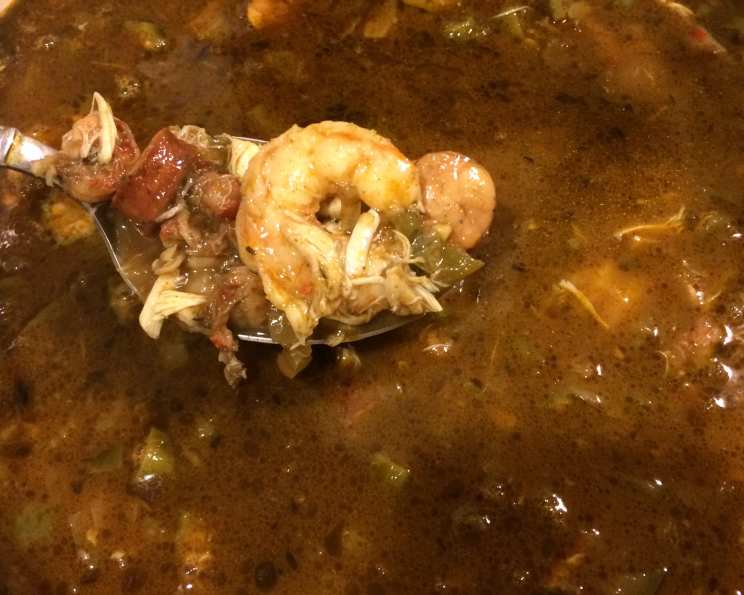
Ultimate Time-Consuming Seafood Gumbo: A Culinary Journey
The aroma of gumbo always takes me back to my grandmother’s kitchen in New Orleans. I remember the anticipation building as the rich, spicy scent filled the air for hours, promising a feast that was worth every minute of the wait. It wasn’t just a meal; it was an experience, a tradition, a labor of love passed down through generations, and something I look forward to creating and sharing with loved ones.
Recipe Overview
- Prep Time: 1 hour
- Cook Time: 6 hours
- Total Time: 7 hours
- Servings: 8
- Yield: Approximately 8 quarts
- Dietary Type: Varies based on seafood; can be made gluten-free by serving over rice
Ingredients
For the Stock:
- Shrimp shells, from 1 pound of shrimp (41-50 count)
- 5 quarts water
- 4 carrots, sliced
- 4 onions, quartered
- 1/2 bunch celery, sliced
- 2 bay leaves
- 3 garlic cloves, sliced
- 2 sprigs fresh parsley
- 5 whole cloves
- 1 teaspoon ground black pepper
- 1 tablespoon dried basil
- 2 teaspoons dried thyme
For the Gumbo:
- 1/2 teaspoon ground cayenne pepper
- 1/2 teaspoon white pepper
- 1/2 teaspoon ground black pepper
- 1 1/2 teaspoons paprika
- 1/2 teaspoon dried thyme
- 1/2 teaspoon dried oregano
- 1 bay leaf, crushed
- 1 teaspoon salt
- 3/4 cup vegetable oil
- 2 cups chopped celery
- 2 cups chopped onions
- 2 cups chopped green bell peppers
- 1 teaspoon minced garlic
- 3 tablespoons file powder (gumbo filé)
- 1 1/2 cups tomato sauce
- 7 cups stock (from above recipe)
- 1 lb sliced okra
- 1 lb andouille sausage, sliced
- 1 cup crabmeat
- 1 lb cooked and peeled crawfish tail
- 1 lb shrimp, peeled and deveined, shells reserved for stock
- Hot pepper sauce, to taste
- Salt & pepper, to taste
- Seafood Creole seasoning, to taste
Equipment Needed
- Baking sheet
- 8-quart pot
- Heavy-bottomed 6-quart pot or larger
- Small bowl
- Measuring cups and spoons
- Cutting board and knife
Instructions
-
Prepare the Shrimp Shells: Preheat your oven to 375 degrees F (190 degrees C). Spread the shrimp shells on a baking sheet and bake until they are dried and starting to brown on the edges, about 15 to 20 minutes. This step deepens the flavor of the stock significantly.
-
Make the Stock: Transfer the baked shrimp shells to an 8-quart pot. Add the water, carrots, onions, celery, bay leaves, garlic cloves, parsley sprigs, whole cloves, ground black pepper, dried basil, and dried thyme. Bring the mixture to a boil over high heat.
-
Simmer the Stock: Once boiling, reduce the heat to low and let the stock simmer, uncovered, for 5 hours. This long simmering time is crucial for extracting maximum flavor from the shells and vegetables. Keep an eye on the water level; add more if it reduces too much.
-
Strain the Stock: After 5 hours, allow the stock to cool slightly. Then, drain all the liquid from the vegetables, squeezing them by hand to extract every last bit of flavor. Discard the solids. You should have approximately 7 cups of rich shrimp stock.
-
Prepare the Pepper-Herb Mixture: In a small bowl, combine the cayenne pepper, white pepper, ground black pepper, paprika, thyme, oregano, bay leaf (crushed), and salt. This blend of spices is the foundation of the gumbo’s distinctive flavor.
-
Start the Roux: In a heavy-bottomed 6-quart pot or larger, heat the vegetable oil over medium heat until it is hot but not smoking. Be careful not to overheat the oil, as this can burn the roux.
-
Sauté the Vegetables: Add the chopped onions, celery, and green bell peppers to the hot oil. Turn the heat to high, and cook, stirring frequently, until the vegetables are softened and starting to brown, about 10-15 minutes. This process, known as the “holy trinity” in Cajun and Creole cooking, forms the base of the gumbo’s flavor.
-
Add Aromatics and File Powder: Stir in the minced garlic, file powder, and the pepper-herb mixture. Cook for 5 minutes, stirring constantly to prevent burning. The file powder, made from ground sassafras leaves, acts as a thickening agent and adds a unique flavor.
-
Incorporate Tomato Sauce and Stock: Add the tomato sauce and the prepared stock to the pot. Bring the mixture to a boil.
-
Simmer the Gumbo Base: Once boiling, reduce the heat and simmer for 30 minutes, stirring occasionally. This allows the flavors to meld together and deepen.
-
Add Okra and Sausage: Stir in the sliced okra and andouille sausage. Simmer for another 30 minutes, stirring occasionally. The okra will help thicken the gumbo further, while the sausage adds a smoky, spicy element.
-
Add Seafood: When you are ready to serve, add the crabmeat, cooked crawfish tail, and peeled and deveined shrimp to the gumbo. Cook for just 3 minutes, until the seafood is heated through. Overcooking the seafood will make it tough and rubbery.
-
Rest and Serve: Turn off the heat, cover the pot, and let the gumbo stand for 10 minutes before serving. This allows the flavors to fully develop and the seafood to finish cooking gently. Serve hot over long-grain rice, with hot pepper sauce, salt & pepper, and seafood Creole seasoning on the side, to taste.
Expert Tips & Tricks
- Roux Alternatives: While this recipe doesn’t use a traditional roux, you can add 1/4 cup of flour to the vegetable mixture in step 7 for a more pronounced roux flavor. Be sure to cook the flour thoroughly to avoid a pasty taste.
- Stock Enhancement: For an even richer stock, roast the shrimp shells with the vegetables (carrots, onions, and celery) before adding them to the pot. This will deepen the flavor of the stock even further.
- Spice Level Adjustment: Adjust the amount of cayenne pepper to control the spiciness of the gumbo. Start with a smaller amount and add more to taste.
- Vegetable Prep: Chop all your vegetables before you start cooking. This will make the cooking process much smoother and more efficient.
- Sausage Selection: Choose a high-quality andouille sausage for the best flavor. You can also use other types of smoked sausage, such as kielbasa or chorizo, for a different twist.
Serving & Storage Suggestions
Serve the gumbo hot over long-grain white rice. Garnish with chopped fresh parsley or green onions for a pop of color. Offer hot pepper sauce, salt & pepper, and seafood Creole seasoning on the side so guests can customize their spice level.
Leftover gumbo can be stored in an airtight container in the refrigerator for up to 3 days. For longer storage, freeze the gumbo in freezer-safe containers for up to 3 months. Thaw in the refrigerator overnight before reheating.
To reheat, gently simmer the gumbo over low heat on the stovetop, stirring occasionally, until heated through. Be careful not to overcook the seafood. You can also reheat individual portions in the microwave.
Nutritional Information
Please note that the following values are estimates and can vary based on specific ingredients used.
| Nutrient | Amount per Serving | % Daily Value |
|---|---|---|
| Calories | 650 kcal | 33% |
| Total Fat | 45g | 58% |
| Saturated Fat | 10g | 50% |
| Cholesterol | 250mg | 83% |
| Sodium | 2000mg | 87% |
| Total Carbohydrate | 35g | 13% |
| Dietary Fiber | 9g | 36% |
| Sugars | 12g | N/A |
| Protein | 45g | 90% |
Variations & Substitutions
- Chicken and Sausage Gumbo: Substitute the seafood with 1 lb of cooked chicken (shredded or cubed) and 1/2 lb of andouille sausage.
- Vegetarian Gumbo: Omit the seafood and sausage. Add 1 lb of diced sweet potatoes and 1 can (15 ounces) of drained and rinsed black beans for protein. Use vegetable broth instead of shrimp stock.
- Gluten-Free Gumbo: Ensure the sausage is gluten-free. Serve over rice or quinoa instead of using flour as a thickening agent.
- Spicier Gumbo: Add a diced jalapeño pepper or a dash of cayenne pepper to the vegetable mixture for extra heat.
- Seafood Variations: Use a variety of seafood, such as oysters, mussels, or clams, to create your own unique seafood gumbo.
FAQs (Frequently Asked Questions)
Q: Why does this recipe take so long to make?
A: The long cooking time allows the flavors to fully develop and meld together, creating a richer and more complex gumbo.
Q: Can I use pre-cooked shrimp to save time?
A: Yes, you can use pre-cooked shrimp, but add it at the very end (last 1-2 minutes of cooking) to prevent it from becoming rubbery. Remember to still reserve the shells for the stock!
Q: What is file powder, and can I substitute it?
A: File powder (gumbo filé) is ground sassafras leaves, which acts as a thickening agent and adds a unique flavor. If you can’t find it, you can omit it or use cornstarch as a thickener (mix 1 tablespoon of cornstarch with 2 tablespoons of cold water and add it to the gumbo in the last 15 minutes of cooking).
Q: Can I make this gumbo ahead of time?
A: Absolutely! Gumbo is often even better the next day, as the flavors have had more time to meld. Prepare the gumbo up to the point of adding the seafood, then refrigerate. Add the seafood when you are ready to serve.
Q: How do I prevent the okra from making the gumbo slimy?
A: Sautéing the okra before adding it to the gumbo helps to reduce its sliminess. You can also add a tablespoon of vinegar or lemon juice to the gumbo, which will help break down the okra’s mucilage.
Final Thoughts
This Ultimate Time-Consuming Seafood Gumbo is more than just a recipe; it’s an investment in flavor, a celebration of tradition, and a testament to the power of slow cooking. Don’t be intimidated by the long cooking time—the end result is well worth the effort. Gather your ingredients, put on some good music, and embark on a culinary journey that will transport you to the heart of Louisiana. I encourage you to try this recipe, experiment with your favorite seafood, and share your creations with friends and family. And if you want to truly complete the meal, try pairing it with some freshly baked cornbread and a crisp, cold beer! Bon appétit!