
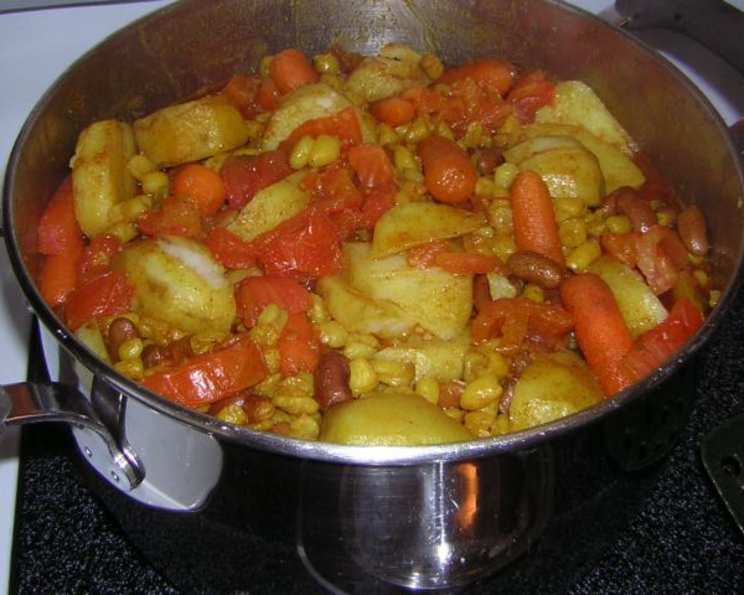
Umqusho: A Heartwarming South African Staple
The scent of Umqusho always takes me back to my grandmother’s kitchen in Durban. I remember sitting at her feet, mesmerized by the rhythmic clanging of the large pot on her ancient stove. The rich, earthy aroma of the samp and beans, slowly simmering with mutton and spices, filled the air, promising a comforting and deeply satisfying meal. It wasn’t just food; it was a taste of home, of family, and of generations past, all lovingly cooked into one pot.
Recipe Overview
- Prep Time: 24 hours (soaking) + 30 minutes
- Cook Time: 2-3 hours
- Total Time: Approximately 48 hours (including soaking)
- Servings: 8-10
- Yield: Large Pot
- Dietary Type: Varies (can be adapted to gluten-free and dairy-free)
Ingredients
- 500 ml samp
- 250 ml speckled sugar beans
- 1 teaspoon salt
- 1 teaspoon pepper
- 12.5 ml oil
- 2 onions, sliced
- 1 green pepper, sliced
- 4 fresh garlic cloves, crushed
- 12 pieces mutton neck or 12 pieces lamb
- 2 tomatoes, skinned and chopped
- 6 small potatoes, peeled
- 100 g carrots (optional)
- 15 ml curry powder
- 25 ml turmeric
- 1 chicken stock cube, dissolved in 500 ml boiling water
Equipment Needed
- Large heavy-based saucepan or pot
- Large bowl for soaking
- Knife
- Chopping board
Instructions
-
Soak the samp and beans: In a large bowl, combine the samp and speckled sugar beans. Cover with plenty of cold water. Let them soak for at least 24 hours, or overnight. This step is crucial for softening the grains and reducing cooking time.
-
Boil the samp and beans: After soaking, drain the samp and beans thoroughly. Transfer them to a large, heavy-based saucepan or pot. Add 1 liter of fresh water. Bring to a boil over high heat, then reduce the heat to low, cover, and simmer gently.
-
Cook until tender: Continue simmering the samp and beans until they are tender. This may take 1.5 to 2 hours, or even longer depending on the age and quality of the grains. Check the water level periodically and add more if needed to prevent sticking. Season with salt and pepper towards the end of the cooking time. They should be soft enough to easily mash with a spoon.
-
Prepare the aromatics: While the samp and beans are cooking, heat the oil in a large pan or pot (you can use the same pot after removing the samp and beans, just ensure it’s cleaned). Add the sliced onions, sliced green pepper, and crushed garlic. Fry over medium heat until the onions are tender and translucent, and the green pepper is slightly softened. This typically takes about 5-7 minutes.
-
Sear the meat: Season the mutton neck or lamb pieces generously with salt and pepper. Add the seasoned meat to the pan with the softened vegetables. Sear the meat on all sides until nicely browned. This will help to develop rich flavor.
-
Add the vegetables and spices: Arrange the chopped tomatoes, peeled potatoes, and carrots (if using) on top of the meat mixture. Sprinkle the curry powder and turmeric evenly over the vegetables.
-
Pour in the stock and simmer: Dissolve the chicken stock cube in 500 ml of boiling water. Pour the chicken stock mixture over the meat and vegetables in the pot. Bring the mixture to a simmer, then reduce the heat to low, cover, and cook gently.
-
Combine and simmer until the meat is tender: Once the samp and beans are tender, gently stir them into the pot with the meat and vegetables. Be careful not to mash the potatoes too much. Add extra water if necessary to ensure the mixture doesn’t dry out during cooking. Simmer for another 1-1.5 hours, or until the meat is very tender and easily pulls away from the bone. Stir occasionally to prevent sticking. Taste and adjust the seasoning with additional salt and pepper as needed.
-
Serve hot: Once the mutton or lamb is falling off the bone and the flavors have melded together beautifully, your Umqusho is ready to serve. Remove from heat and let rest for 10 minutes before serving.
Expert Tips & Tricks
- Soaking is key: Don’t skip the soaking step! It significantly reduces the cooking time and makes the samp and beans easier to digest. If you’re short on time, you can try a hot soak (boiling water), but an overnight soak is ideal.
- Slow and low: Cooking Umqusho low and slow is essential for developing the rich, complex flavors. Don’t rush the simmering process.
- Meat selection: While mutton neck is traditional, lamb shoulder or even beef chuck can be used as substitutes. Bone-in cuts provide the best flavor.
- Spice it up: Adjust the amount of curry powder and turmeric to your liking. A pinch of chili flakes can add a pleasant warmth.
- Vegetable variations: Feel free to add other vegetables like butternut squash, sweet potatoes, or even green beans.
- Potjie potential: This recipe is perfect for adapting to a potjie (a traditional South African cast-iron pot). Simply layer the ingredients in the potjie and cook over low coals for several hours.
- Make ahead: Umqusho is a fantastic make-ahead dish. The flavors actually improve after a day or two in the refrigerator.
Serving & Storage Suggestions
Umqusho is best served hot, straight from the pot. Garnish with fresh cilantro or parsley for a pop of color. It’s a hearty and satisfying meal on its own, but it also pairs well with a side of chakalaka (a spicy South African vegetable relish) or a dollop of sour cream.
Leftover Umqusho can be stored in an airtight container in the refrigerator for up to 3-4 days. For longer storage, freeze in individual portions for up to 2-3 months. Thaw overnight in the refrigerator before reheating.
To reheat, simply warm gently in a saucepan over low heat, adding a splash of water or stock if necessary to prevent sticking. You can also reheat in the microwave.
Nutritional Information
Note: Nutritional information is an estimate and may vary based on specific ingredients and portion sizes.
| Nutrient | Amount per Serving | % Daily Value |
|---|---|---|
| Calories | 450 kcal | 23% |
| Total Fat | 20g | 31% |
| Saturated Fat | 8g | 40% |
| Cholesterol | 75mg | 25% |
| Sodium | 600mg | 26% |
| Total Carbohydrate | 45g | 15% |
| Dietary Fiber | 10g | 40% |
| Sugars | 5g | N/A |
| Protein | 25g | 50% |
Variations & Substitutions
- Vegetarian/Vegan: Omit the meat and add extra vegetables like mushrooms, lentils, or beans. Use vegetable stock instead of chicken stock.
- Gluten-Free: This recipe is naturally gluten-free as long as you ensure your chicken stock cube is gluten-free.
- Spicy Umqusho: Add a chopped chili or a few dashes of hot sauce to the pot.
- Creamy Umqusho: Stir in a dollop of cream or coconut milk at the end of cooking for a richer, creamier texture.
- Different Beans: While speckled sugar beans are traditional, you can experiment with other types of beans like kidney beans, pinto beans, or even chickpeas.
FAQs (Frequently Asked Questions)
Q: Can I cook this in a slow cooker?
A: Yes, Umqusho is excellent in a slow cooker. Reduce the liquid slightly and cook on low for 6-8 hours, or on high for 3-4 hours.
Q: What can I use if I can’t find samp?
A: While samp is essential for the authentic taste, you can use cracked wheat or barley as a substitute in a pinch. The texture will be slightly different, but the overall flavor will still be delicious.
Q: How do I know when the samp and beans are cooked enough?
A: The samp and beans should be tender and easily mashable with a spoon. They should not be hard or crunchy.
Q: Can I use pre-cooked beans to speed up the process?
A: While it’s possible, the flavor won’t be as deeply developed. If you must, reduce the initial cooking time significantly and adjust the water accordingly.
Q: My Umqusho is too dry. What can I do?
A: Simply add more water or stock to the pot and simmer until the desired consistency is reached.
Final Thoughts
Umqusho is more than just a recipe; it’s a culinary journey to South Africa, a taste of tradition, and a celebration of simple, wholesome ingredients. Don’t be intimidated by the longer cooking time – the results are well worth the effort. I encourage you to try this recipe and experience the comforting warmth and rich flavors of this beloved South African staple. Share your creations and any variations you discover, and perhaps serve it alongside a crisp South African Sauvignon Blanc for a truly authentic experience!