
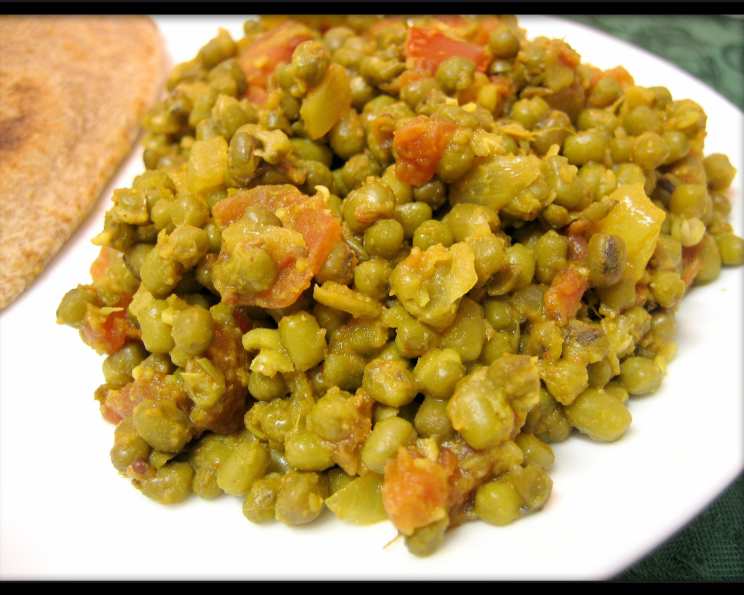
Uncle Bill’s Mung Bean Curry: A Taste of Home
The scent of mustard seeds popping in hot oil always takes me back to my childhood kitchen. My Uncle Bill, a man of few words but immense culinary talent, would often whip up this mung bean curry on a whim. The aroma, a complex blend of earthy spices and sweet tomatoes, would fill the house, drawing us all in like moths to a flame. It wasn’t just a meal; it was a warm hug on a plate, a testament to the simple joy of sharing good food with loved ones.
Recipe Overview
- Prep Time: 8 hours 20 minutes (includes soaking time)
- Cook Time: 7 minutes
- Total Time: 8 hours 27 minutes
- Servings: 4
- Dietary Type: Vegan
Ingredients
- 1 cup mung beans (soaked overnight)
- 2 teaspoons canola oil or 2 teaspoons extra virgin olive oil
- 1/4 teaspoon black mustard seeds
- 1/4 teaspoon whole cumin seed
- 1/4 teaspoon turmeric
- 3/4 cup crushed tomatoes, include liquid if using canned tomatoes (fresh or canned)
- 1 garlic clove, crushed
- 1/2 teaspoon freshly grated gingerroot
- 1/2 teaspoon ground coriander
- 1/2 teaspoon ground cumin
- 1/4 teaspoon granulated sugar
- 1/4 teaspoon salt
- 2 cups water
- 1/4 cup chopped fresh cilantro leaves
Equipment Needed
- Medium size saucepan
- Large frying pan
- Small mixing bowl
Instructions
-
In a medium size saucepan, measure the mung beans, cover them generously with water, cover the saucepan, and let the beans soak overnight. This crucial step helps soften the beans, reducing cooking time and improving their texture. Ensure the water level remains above the beans during soaking.
-
To a large frying pan, add the oil (either canola or extra virgin olive oil will work beautifully) and bring it to high heat. The oil should shimmer but not smoke.
-
In a small mixing bowl, combine the cumin seeds, mustard seeds, and turmeric. This spice blend is the heart of the curry, providing its signature flavor and vibrant color.
-
Add the spice mixture to the hot frying pan, immediately cover the pan to prevent splattering, and fry quickly, shaking the frying pan constantly until the seeds begin to pop. This should take approximately 1 minute. The popping sound indicates that the spices are releasing their aromas and flavors. Be careful not to burn them.
-
Add the crushed tomatoes, garlic, ginger, coriander, cumin, sugar, and salt to the frying pan. Cook until the mixture bubbles, approximately 3 to 5 minutes, stirring occasionally to prevent sticking. The sugar helps balance the acidity of the tomatoes, while the salt enhances all the other flavors.
-
Drain the mung beans, rinse the saucepan (the one used for soaking), and return the mung beans to the same saucepan.
-
Add 2 cups of water, bring the mixture to a boil, then cover and simmer for approximately 20 minutes, or until the beans are tender. Check for doneness by pressing a bean against the side of the pan with a spoon; it should yield easily. If the beans are still firm after 20 minutes, continue simmering for a few more minutes, checking periodically.
-
Drain the mung beans again and add them to the tomato-spice mixture in the frying pan.
-
Add the cilantro and stir well to combine all the ingredients. The cilantro adds a fresh, herbaceous note that brightens the curry.
-
Serve the curry immediately.
Expert Tips & Tricks
- Spice Level Adjustment: Adjust the amount of ginger and other spices to customize the heat level to your liking. A pinch of cayenne pepper can also add a nice kick.
- Tomato Quality: Using high-quality crushed tomatoes will significantly impact the flavor of the curry. San Marzano tomatoes are an excellent choice if available.
- Tempering Spices: Tempering the spices in hot oil is crucial for releasing their full flavor. Make sure the oil is hot enough before adding the spices, but be careful not to burn them.
- Bean Texture: If you prefer a creamier curry, you can mash a portion of the cooked mung beans before adding them to the tomato-spice mixture.
- Ginger Grating: Use a microplane grater for the gingerroot for a fine texture that blends seamlessly into the curry.
Serving & Storage Suggestions
Uncle Bill’s Mung Bean Curry is delicious served hot with a side of fluffy basmati rice or warm naan bread. Garnish with an extra sprinkle of fresh cilantro and a dollop of plain yogurt (dairy or non-dairy) for a cooling contrast to the spices.
Leftovers can be stored in an airtight container in the refrigerator for up to 3 days. To reheat, gently warm the curry in a saucepan over low heat, adding a splash of water if needed to prevent it from drying out. You can also reheat it in the microwave, stirring occasionally. Freezing is not generally recommended as it can alter the texture of the beans.
Nutritional Information
| Nutrient | Amount per Serving | % Daily Value |
|---|---|---|
| Calories | 215 kcal | N/A |
| Calories from Fat | 30g | 14% |
| Total Fat | 3.4 g | 5% |
| Saturated Fat | 0.2 g | 1% |
| Cholesterol | 0 mg | 0% |
| Sodium | 275 mg | 11% |
| Total Carbohydrate | 34.7 g | 11% |
| Dietary Fiber | 10.4 g | 41% |
| Sugars | 2.1 g | N/A |
| Protein | 13.7 g | 27% |
Note: Nutritional information is an estimate and may vary based on specific ingredients and preparation methods.
Variations & Substitutions
- Other Beans: As Uncle Bill himself suggested, this recipe works beautifully with other types of beans, such as red kidney beans, black-eyed peas, or garbanzo beans (chickpeas). If using canned beans, skip the overnight soaking step and simply rinse and drain them before adding them to the recipe.
- Coconut Milk: For a richer, creamier curry, substitute some of the water with coconut milk. Start with 1/2 cup and add more to reach your desired consistency.
- Vegetables: Feel free to add other vegetables to the curry, such as spinach, diced potatoes, or cauliflower florets. Add them along with the beans, adjusting the cooking time as needed.
- Spicier Version: Add a finely chopped chili pepper (such as a Serrano or Thai chili) along with the garlic and ginger for extra heat.
- Ghee: For a richer flavor (though no longer vegan), use ghee instead of canola or olive oil.
FAQs (Frequently Asked Questions)
Q: Why do I need to soak the mung beans overnight?
A: Soaking the mung beans helps soften them, reducing the cooking time and making them easier to digest. It also helps remove some of the phytic acid, which can inhibit nutrient absorption.
Q: Can I use canned mung beans instead of dried?
A: Yes, you can use canned mung beans. Make sure to rinse and drain them well before adding them to the curry. You won’t need to soak them overnight.
Q: How can I make this curry spicier?
A: You can add a finely chopped chili pepper, a pinch of cayenne pepper, or a dash of hot sauce to increase the heat level.
Q: What is the best way to serve this curry?
A: This curry is delicious served with basmati rice, naan bread, or roti. Garnish with fresh cilantro and a dollop of yogurt (dairy or non-dairy) for a complete meal.
Q: Can I freeze this curry?
A: Freezing is not generally recommended as it can alter the texture of the beans. However, if you must freeze it, store it in an airtight container and thaw it completely before reheating.
Final Thoughts
Uncle Bill’s Mung Bean Curry is more than just a recipe; it’s a culinary memory, a taste of home, and a reminder of the simple pleasures in life. I encourage you to try this recipe and experience the warmth and flavor that this humble dish has to offer. Don’t be afraid to experiment with variations and substitutions to make it your own. And, most importantly, share it with loved ones and create your own cherished memories around the table.