
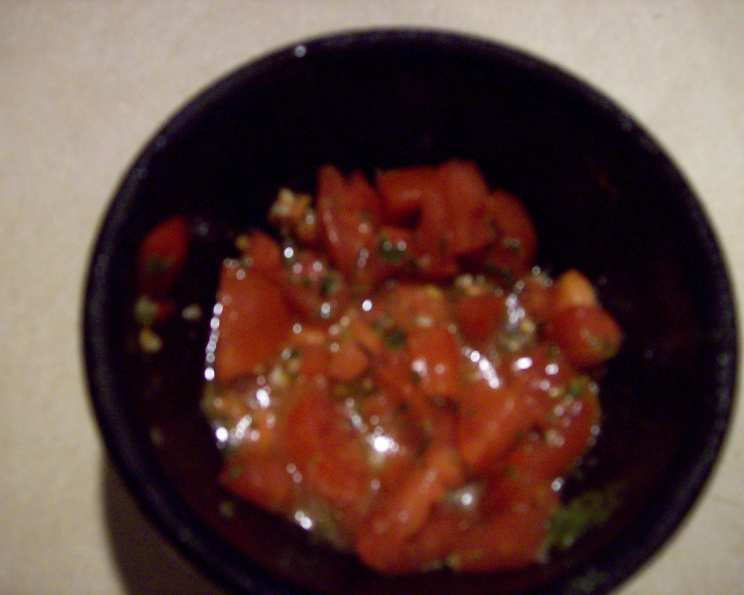
The Sun-Kissed Simplicity of Uncooked Tomato Sauce
I still remember the first time I tasted uncooked tomato sauce. It was during a sweltering August afternoon at my grandmother’s tiny farmhouse in Tuscany. The air hummed with cicadas, and the aroma of sun-baked earth mingled with the sweet scent of ripening tomatoes. Nonna Emilia, with her hands stained crimson from the harvest, simply tossed freshly diced tomatoes with garlic, basil, and a generous glug of olive oil. The burst of fresh, vibrant flavor was unlike anything I’d ever experienced – a pure taste of summer captured in a single bite. It was a revelation, a testament to the magic of simple, high-quality ingredients.
Recipe Overview
- Prep Time: 10 minutes
- Total Time: 10 minutes (plus optional resting time)
- Yields: 2 cups
- Dietary Type: Vegan, Gluten-Free, Dairy-Free
Ingredients
- ¼ cup extra virgin olive oil
- 2 garlic cloves, minced
- 7 large basil leaves
- ¼ cup flat leaf parsley
- 4-5 plum tomatoes (or 1 pint cherry or grape tomatoes)
- ½ teaspoon salt
- Pepper to taste
- Sugar (optional, use up to 1 teaspoon for winter tomatoes)
Equipment Needed
- Large mixing bowl
- Sharp knife
- Cutting board
- Garlic mincer (optional)
Instructions
- Pour the extra virgin olive oil into a large mixing bowl. Add the minced garlic. The olive oil acts as a flavorful base, infusing the garlic’s pungent aroma.
- Mince together the basil and parsley. A sharp knife and a little patience will do the trick, releasing the herbs’ essential oils. Add the minced herbs to the bowl with the olive oil and garlic.
- Dice the plum tomatoes into small, even pieces. If using cherry or grape tomatoes, halve them. Consistency in size will ensure even flavor distribution. Add the tomatoes to the bowl.
- Season the mixture with salt and pepper to taste. If using winter tomatoes, which can sometimes lack sweetness, add up to 1 teaspoon of sugar to balance the acidity.
- Stir all the ingredients together thoroughly to combine.
- For the best flavor, allow the sauce to sit for a few hours at room temperature before using. This allows the flavors to meld and intensify.
Expert Tips & Tricks
- Tomato Selection is Key: The quality of your tomatoes will directly impact the flavor of the sauce. Ripe, in-season tomatoes are essential. Look for tomatoes that are firm, fragrant, and heavy for their size. Roma or San Marzano tomatoes are excellent choices.
- Garlic Matters: Freshly minced garlic is crucial. Avoid pre-minced garlic, which often lacks the same pungent flavor. You can use a garlic press or mince the garlic by hand.
- Herb Power: Fresh herbs are non-negotiable in this recipe. Dried herbs simply won’t provide the same vibrant flavor. If you don’t have both basil and parsley, you can use more of one or the other, but try to include both for the most balanced flavor.
- Olive Oil Quality: Use a good quality extra virgin olive oil. It makes a difference in the final taste. Look for olive oils that are fruity and peppery.
- Spice It Up: For a little kick, add a pinch of red pepper flakes to the sauce.
- Acid Adjustment: Taste the sauce before serving and adjust the seasoning as needed. If the tomatoes are particularly acidic, you can add a pinch more sugar or a small splash of balsamic vinegar to balance the flavors.
- Make Ahead Magic: This sauce can be made up to 24 hours in advance and stored in the refrigerator. In fact, the flavors will develop even more over time. Just be sure to bring it to room temperature before serving.
Serving & Storage Suggestions
This uncooked tomato sauce is incredibly versatile. It’s fantastic served with crusty bread as bruschetta, spooned over pasta, or used as a topping for grilled fish or chicken.
- Serving: For bruschetta, toast slices of crusty bread and rub them with a garlic clove. Spoon the tomato sauce over the bread and drizzle with a little extra olive oil.
- Pasta: Toss the sauce with freshly cooked pasta. A simple spaghetti or linguine works well. Add some grated Parmesan cheese, if desired.
- Storage: The sauce can be stored in an airtight container in the refrigerator for up to 3 days. It’s best served at room temperature, so remove it from the refrigerator about 30 minutes before serving. Freezing is not recommended as it affects the texture of the tomatoes.
Nutritional Information
Please note that the following values are estimates and may vary based on specific ingredients used.
| Nutrient | Amount per Serving | % Daily Value |
|---|---|---|
| Calories | 280 kcal | 14% |
| Total Fat | 25g | 38% |
| Saturated Fat | 4g | 20% |
| Cholesterol | 0mg | 0% |
| Sodium | 300mg | 13% |
| Carbohydrates | 8g | 3% |
| Fiber | 2g | 7% |
| Sugar | 4g | – |
| Protein | 2g | 4% |
Variations & Substitutions
- Spicy Version: Add a pinch of red pepper flakes or a finely chopped chili pepper to the sauce.
- Herby Delight: Experiment with different herbs such as oregano, thyme, or marjoram.
- Lemon Zest: Add a teaspoon of lemon zest for a bright, citrusy flavor.
- Roasted Garlic: For a sweeter, more mellow garlic flavor, roast the garlic cloves before mincing them.
- Sun-Dried Tomatoes: Add a handful of chopped sun-dried tomatoes for a concentrated tomato flavor. Be sure to use the oil-packed variety.
- Vegan Cheese: Sprinkle with nutritional yeast or a vegan Parmesan alternative for a cheesy flavor.
FAQs (Frequently Asked Questions)
Q: Can I use canned tomatoes instead of fresh tomatoes?
A: While fresh tomatoes are ideal, you can use high-quality canned diced tomatoes in a pinch. Drain them well before adding them to the sauce. The flavor will be slightly different, but still delicious.
Q: How long does the sauce last at room temperature?
A: It’s best to consume the sauce within a few hours if left at room temperature. Due to the fresh ingredients, it can spoil quickly. Refrigeration is recommended for longer storage.
Q: Can I use this sauce for pizza?
A: Absolutely! This sauce makes a fantastic pizza topping. Spread it thinly over the pizza dough before adding your other toppings.
Q: What kind of bread is best for serving with this sauce?
A: Crusty Italian or French bread is ideal for serving with this sauce. The crusty texture provides a nice contrast to the soft tomatoes.
Q: Can I add onions to this sauce?
A: While this recipe doesn’t include onions, you can certainly add finely diced red onion or shallot for a more complex flavor. Add it at the same time as the garlic.
Final Thoughts
This uncooked tomato sauce is a celebration of fresh, simple ingredients. It’s a dish that captures the essence of summer and is perfect for sharing with friends and family. Don’t be afraid to experiment with different herbs and spices to create your own unique version. I encourage you to try this recipe and experience the pure, vibrant flavors for yourself. Share your creations and feedback; I’d love to see how you make this classic your own. Pair it with a crisp glass of Pinot Grigio for a truly delightful culinary experience. Buon appetito!