
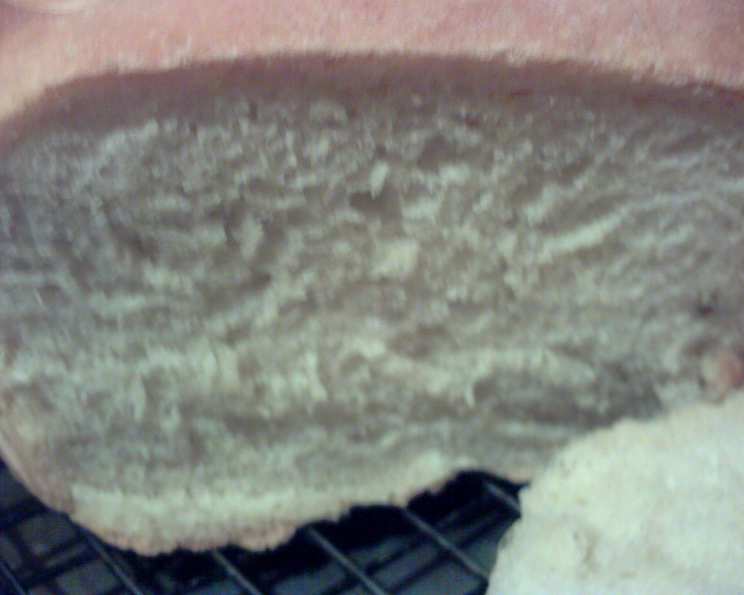
Unknownchef86’s French Countryside Bread (ABM): A Culinary Journey
The aroma of freshly baked bread has always been a powerful time machine for me. It instantly transports me back to my grandmother’s sun-drenched kitchen in the French countryside. I remember watching her, a whirlwind of flour and smiles, effortlessly transforming simple ingredients into loaves that were crusty on the outside and irresistibly soft within. This recipe, adapted for a bread machine, captures that same rustic charm and comforting flavor, allowing you to bring a piece of that idyllic scene into your own home.
Recipe Overview
- Prep Time: 10 minutes
- Cook Time: 4 hours 5 minutes
- Total Time: 4 hours 15 minutes
- Yields: 1 loaf
- Serves: 12
- Dietary Type: Vegetarian
Ingredients
- 1 1/2 cups cold water (yes, cold!)
- 1 1/2 teaspoons salt
- 4 cups bread flour (if using all-purpose flour, substitute 3 tablespoons flour with 3 tablespoons vital wheat gluten)
- 1 tablespoon sugar
- 1 1/2 teaspoons dry yeast
Equipment Needed
- Bread machine
Instructions
- Begin by carefully measuring all ingredients into your bread machine pan in the order listed. The cold water is crucial for controlling the yeast activity and ensuring a slow, even rise.
- Secure the bread machine pan into the machine according to the manufacturer’s instructions.
- Select the French bread setting on your bread machine. This setting is specifically designed to create a loaf with a chewy texture and a crisp crust, characteristic of French-style bread.
- Choose your desired crust color: either medium or dark, depending on your personal preference. A darker crust will result in a more pronounced, robust flavor.
- Press Start and let the bread machine work its magic! The machine will handle the kneading, rising, and baking processes automatically.
- Once the baking cycle is complete, carefully remove the bread machine pan from the machine, using oven mitts as it will be very hot.
- Gently turn the loaf out onto a wire rack to cool completely before slicing and serving. This allows the steam to escape, preventing the crust from becoming soggy.
Expert Tips & Tricks
- Water Temperature Matters: Using cold water is not just a suggestion; it’s essential. Cold water slows down the yeast activity, resulting in a better flavor development and a more even rise. If your kitchen is particularly warm, you can even chill the water and flour briefly before using them.
- Flour Power: While bread flour is highly recommended for its higher gluten content, which gives the bread its characteristic chewiness, all-purpose flour can be used as a substitute. However, it’s crucial to add vital wheat gluten to compensate for the lower gluten content in all-purpose flour. This will ensure that your bread still has the desired texture. If you skip the vital wheat gluten, your loaf may be dense and flat.
- Listen to Your Dough: Although bread machines are generally reliable, keep an eye on the dough during the kneading process. If it appears too wet or too dry, you can adjust the water or flour accordingly, a tablespoon at a time. The dough should form a smooth, elastic ball.
- Crust Customization: For an extra-crispy crust, try lightly misting the top of the loaf with water a few minutes before the end of the baking cycle. Be careful not to over-mist, as this can make the crust too hard.
- Troubleshooting a Dense Loaf: If your bread consistently comes out dense, it could be due to several factors, including using old yeast, not enough liquid, or too much flour. Ensure your yeast is fresh and active, and carefully measure the ingredients. You may also need to experiment with slightly increasing the amount of water.
Serving & Storage Suggestions
This French Countryside Bread is incredibly versatile and can be enjoyed in countless ways. Serve it warm with a generous slathering of butter or a drizzle of olive oil for a simple yet satisfying treat. It’s also perfect for making sandwiches, toast, or croutons. The robust flavor pairs well with soups, stews, and cheeses.
To store the bread properly, allow it to cool completely before wrapping it tightly in plastic wrap or storing it in a bread bag. At room temperature, it will stay fresh for about 2-3 days. For longer storage, you can freeze the loaf for up to 2-3 months. To thaw, simply leave it at room temperature for a few hours or warm it in a low oven. For best results, slice the bread before freezing so you can easily thaw only what you need. Reheating a frozen slice in a toaster oven will restore its crispy crust.
Nutritional Information
| Nutrient | Amount per Serving | % Daily Value |
|---|---|---|
| Calories | 160.6 kcal | N/A |
| Calories from Fat | 4 g | 3% |
| Total Fat | 0.5 g | 0% |
| Saturated Fat | 0.1 g | 0% |
| Cholesterol | 0 mg | 0% |
| Sodium | 292.4 mg | 12% |
| Total Carbohydrate | 33.5 g | 11% |
| Dietary Fiber | 1.5 g | 6% |
| Sugars | 1.2 g | 4% |
| Protein | 4.9 g | 9% |
Note: Nutritional information is an estimate and may vary based on specific ingredients and serving sizes.
Variations & Substitutions
- Herb Infusion: Add 1-2 tablespoons of dried herbs, such as rosemary, thyme, or oregano, to the dough for a flavorful twist.
- Garlic Bread Upgrade: After baking, brush the loaf with garlic butter and broil for a few minutes until golden brown.
- Seeded Sensation: Sprinkle the top of the loaf with sesame seeds, poppy seeds, or sunflower seeds before baking for added texture and flavor.
- Whole Wheat Variation: Substitute up to half of the bread flour with whole wheat flour for a more nutritious and hearty loaf.
- Sweet Treat: For a slightly sweeter bread, increase the sugar to 2 tablespoons and add a pinch of cinnamon.
FAQs (Frequently Asked Questions)
Q: Can I make this bread without a bread machine?
A: Yes, the original recipe notes that it can be made by hand. Let it rise a couple of times, punching it down in between, and bake at 400°F for approximately 30-40 minutes, until it sounds hollow when tapped.
Q: Why is my bread machine bread sometimes sunken in the middle?
A: This can happen if there’s too much moisture in the dough or if the yeast is too active. Try reducing the water slightly or using a bit less yeast.
Q: How can I tell if my yeast is still good?
A: You can test your yeast by mixing a teaspoon of yeast with a teaspoon of sugar and 1/4 cup of warm water. If it foams up within 5-10 minutes, it’s still active.
Q: Can I use instant yeast instead of active dry yeast?
A: Yes, you can use instant yeast. The amount remains the same.
Q: Is it necessary to use bread flour?
A: While bread flour is recommended for the best texture, you can use all-purpose flour if you add vital wheat gluten as instructed in the recipe.
Final Thoughts
This French Countryside Bread recipe, adapted for a bread machine, is a testament to the fact that simple ingredients and straightforward techniques can yield extraordinary results. It is an invitation to experience the comforting aroma and satisfying taste of homemade bread without the fuss of traditional methods. I encourage you to give this recipe a try and share the warmth and joy of freshly baked bread with your loved ones. Whether you enjoy it with a simple pat of butter or as part of a more elaborate meal, this bread is sure to become a staple in your kitchen. Bon appétit!