
The Unsweetened Chocolate Stand-In: A Baker’s Secret Weapon
I remember one Christmas Eve, frantically trying to finish my grandmother’s famous double chocolate fudge recipe. The rich, dark fudge was always the highlight of our family gathering, but disaster struck when I realized I was short on unsweetened baking chocolate! With the stores already closed, a wave of panic washed over me. That’s when my resourceful mother shared a trick she’d learned during her own baking emergencies: a simple substitution using cocoa powder and shortening. The fudge turned out perfectly, earning rave reviews, and I’ve relied on this clever swap ever since. It’s a baker’s best friend when the pantry is bare, and I’m excited to share it with you.
Recipe Overview
- Prep Time: 2 minutes
- Cook Time: 3 minutes
- Total Time: 5 minutes
- Yields: 1 ounce equivalent
- Dietary Type: Vegetarian
Ingredients
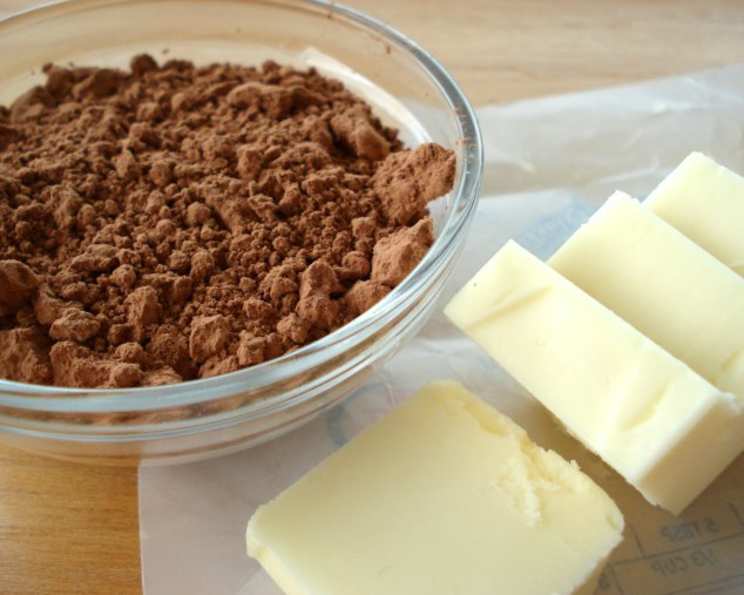
- 3 tablespoons unsweetened cocoa
- 1 tablespoon oil or 1 tablespoon shortening
Equipment Needed
- Microwave-safe bowl
- Spoon or whisk
Instructions
- Place the oil or shortening in a microwave-safe bowl.
- Melt the oil or shortening. If using a microwave, heat in short bursts of 15-20 seconds, stirring in between, to prevent splattering or burning. It should be completely melted and smooth. If you prefer, you can melt the oil or shortening in a small saucepan over low heat on the stovetop, stirring constantly.
- Add the unsweetened cocoa to the melted oil or shortening.
- Stir the mixture thoroughly until the cocoa is completely dissolved and the mixture is smooth and consistent. Ensure there are no lumps of cocoa remaining.
- Use this mixture immediately in your recipe as a replacement for 1 ounce of unsweetened chocolate.
Expert Tips & Tricks
- Choosing Your Fat: The type of fat you use will slightly alter the final result. Oil (like vegetable, canola, or coconut oil) will create a slightly softer, more pliable texture. Shortening will provide a firmer, more stable texture, similar to that of actual unsweetened baking chocolate. Experiment to see which you prefer for different recipes.
- Cocoa Quality Matters: Opt for high-quality unsweetened cocoa for the best flavor. Dutch-processed cocoa will yield a darker, more intense chocolate flavor compared to natural cocoa.
- Microwave Power: Microwave power varies. If your microwave is very powerful, start with shorter bursts of heating (10-15 seconds) to avoid burning the oil or shortening.
- Preventing Lumps: To prevent lumps, sift the cocoa before adding it to the melted oil or shortening. This is especially helpful if your cocoa is a bit old or clumpy.
- Adjusting for Flavor: This substitution mimics the structure of unsweetened chocolate, not necessarily the nuanced flavor. For an extra boost of chocolate intensity, consider adding a tiny pinch of espresso powder to the mixture.
- Vegan Option: This substitution is naturally vegan-friendly if you use vegetable oil or vegan shortening.
- If you don’t have a microwave: You can easily melt the oil or shortening in a double boiler, or in a heatproof bowl set over a simmering pot of water.
Serving & Storage Suggestions
This substitute is best used immediately in your baking recipe, replacing the required amount of unsweetened chocolate. Because it lacks stabilizers, it’s not designed for long-term storage. If you have leftover mixture (though you should only make what you need!), it can be stored in an airtight container in the refrigerator for up to 2 days. Bring to room temperature and stir well before using. Note that the texture may change slightly upon refrigeration, potentially becoming more solid. If so, gently warm it up before incorporating it into your recipe.
Nutritional Information
Please note that these values are estimates and can vary depending on the specific ingredients used.
| Nutrient | Amount per Serving | % Daily Value |
|---|---|---|
| Calories | 135 kcal | 7% |
| Total Fat | 13.5g | 17% |
| Saturated Fat | 2.5g | 13% |
| Cholesterol | 0mg | 0% |
| Sodium | 1mg | 0% |
| Total Carbohydrate | 4g | 1% |
| Dietary Fiber | 3g | 11% |
| Sugars | 0g | 0% |
| Protein | 1g | 2% |
Variations & Substitutions
- Coconut Oil Variation: For a hint of coconut flavor, use refined coconut oil. Refined coconut oil has a neutral flavor, while unrefined coconut oil will impart a noticeable coconut taste.
- Butter Option (Non-Vegan): While the recipe calls for oil or shortening, melted butter can also be used as a substitute. This will add a richer flavor to your baked goods. Use unsalted butter for best results.
- Different Oils: Experiment with different types of neutral-flavored oils, such as grapeseed oil or avocado oil, to see how they affect the final texture and flavor.
- For a Darker Color: If you want a darker, more intense chocolate color in your baked goods, use black cocoa powder instead of regular unsweetened cocoa. Be aware that black cocoa has a more intense flavor, so you may want to start with a smaller amount and adjust to taste.
- Add a touch of vanilla: A dash of vanilla extract stirred into the melted mixture can enhance the overall flavor profile.
FAQs (Frequently Asked Questions)
Q: Can I use this substitution for any recipe that calls for unsweetened chocolate?
A: Yes, this substitution is a general guideline for replacing 1 ounce of unsweetened baking chocolate. However, keep in mind that the final result may vary slightly depending on the specific recipe and the other ingredients involved.
Q: What if my mixture is too thick or too thin?
A: If the mixture is too thick, add a tiny amount more oil or shortening (a teaspoon at a time) until it reaches the desired consistency. If it’s too thin, add a little more cocoa (also a teaspoon at a time).
Q: Can I double or triple this recipe?
A: Absolutely! Simply multiply the ingredient quantities accordingly. For example, to replace 2 ounces of unsweetened chocolate, use 6 tablespoons of unsweetened cocoa and 2 tablespoons of oil or shortening.
Q: Does the type of cocoa powder matter?
A: Yes, the type of cocoa powder can affect the flavor and color of your final product. Dutch-processed cocoa is less acidic and has a darker color and milder flavor compared to natural cocoa. Choose a cocoa powder that suits your taste preferences and the desired outcome of your recipe.
Q: Can I make this substitution ahead of time?
A: While it’s best to use this substitute immediately, you can make it a few hours in advance and store it at room temperature. Just give it a good stir before using it in your recipe. If stored for longer, it may solidify and require gentle warming.
Final Thoughts
This unsweetened chocolate substitution is a fantastic trick to have up your sleeve for those moments when you’re short on ingredients or simply looking for a budget-friendly alternative. It empowers you to continue baking without interruption and delivers reliably delicious results. Don’t hesitate to experiment with different oils and cocoa powders to find your perfect combination. Now, go forth and create! I encourage you to try this simple substitute in your next baking adventure and share your experience with fellow bakers.