
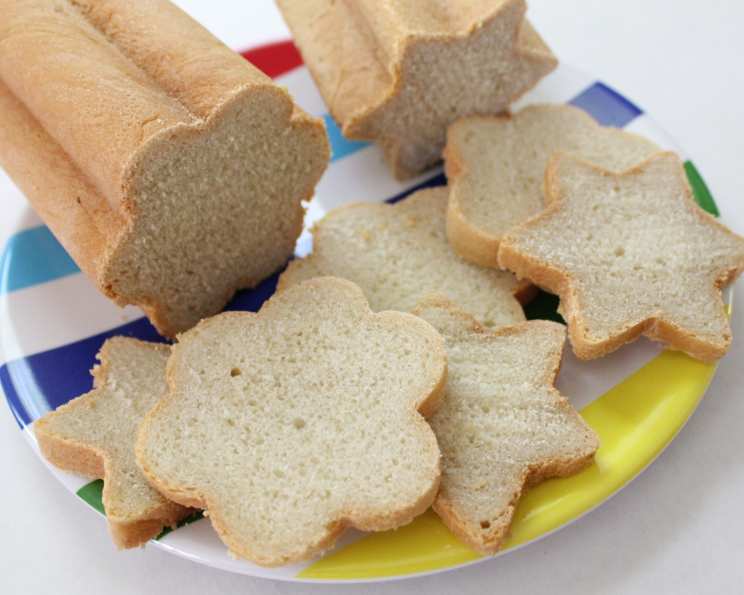
Valtrompia Canapé Bread: A Culinary Journey Back Home
The scent of baking bread has always been my Proustian madeleine. But it’s not just any bread – it’s the subtly sweet, slightly nutty aroma of Valtrompia bread, wafting from my grandmother’s kitchen in the Italian Alps. I can still picture her, hands dusted with flour, meticulously shaping the dough before carefully inserting it into that peculiar cylindrical tube. That bread wasn’t just sustenance; it was love, tradition, and a taste of home that I carry with me wherever I go. Recreating it now, years later, is an act of pure nostalgia, and I’m thrilled to share this beloved recipe with you.
Recipe Overview
- Prep Time: 20 minutes
- Cook Time: 60-70 minutes
- Total Time: 1 hour 20-30 minutes + rising time
- Yields: 2 Valtrompia Loaves
- Dietary Type: Vegetarian
Ingredients
- 1/3 cup very warm water
- 1 teaspoon sugar
- 1 (1/4 ounce) package dry yeast
- 1 cup milk
- 2 tablespoons butter, melted
- 1 1/4 teaspoons salt
- 3-4 cups flour
Equipment Needed
- Measuring cup
- Large mixing bowl
- Lightly floured board
- Greased bowl
- Plastic wrap
- Valtrompia Bread Tube (or similar cylindrical baking pan)
Instructions
-
Begin by activating the yeast. In a measuring cup, combine the very warm water, sugar, and dry yeast. Let the mixture stand for about 5 minutes, stirring occasionally, until it becomes foamy. This step ensures that your yeast is active and ready to leaven the dough.
-
In a large bowl, combine the milk, melted butter, and salt. Stir these ingredients together until they are well incorporated.
-
Add the foamy yeast mixture to the bowl containing the milk, butter, and salt. Stir everything together to combine the wet ingredients.
-
Gradually add the flour. Start by adding 2 1/2 cups of flour to the bowl and stir to incorporate it into the wet ingredients.
-
Continue to add the remaining flour, a little at a time, stirring until a soft dough forms. You may not need all 4 cups of flour; the goal is to achieve a dough that is soft and slightly sticky, but not overly wet.
-
Turn the dough out onto a lightly floured board. Knead the dough for about 7 minutes until it becomes smooth and elastic. Kneading develops the gluten, which gives the bread its structure.
-
Shape the kneaded dough into a smooth ball.
-
Place the dough ball into a greased bowl, turning it once to coat the top with grease. This prevents the dough from drying out during the rising process.
-
Cover the bowl with plastic wrap to create a moist environment.
-
Place the bowl in a warm, draft-free place to rise. Allow the dough to rise until it has doubled in bulk, which typically takes about 1 to 1.5 hours, depending on the temperature of your environment.
-
Once the dough has doubled, punch it down to release the excess air.
-
Divide the dough in half.
-
Roll each half of the dough into a log that is 3 to 4 inches shorter than the Valtrompia Bread Tube. This will allow for expansion during baking.
-
Carefully insert each log of dough into a Valtrompia Bread Tube.
-
Cap the tubes to seal them.
-
Preheat your oven to 400 degrees F (200 degrees C).
-
Bake the bread in the preheated oven for 60 to 70 minutes, or until golden brown and cooked through. To check for doneness, you can insert a wooden skewer into the center of the bread; if it comes out clean, the bread is done.
-
Remove the bread from the tubes immediately after baking to prevent it from steaming inside.
-
Allow the bread to cool completely on a wire rack before slicing and serving.
Expert Tips & Tricks
-
Yeast Activation: Ensure your water isn’t too hot, as it can kill the yeast. Aim for warm water, around 105-115°F (40-46°C). If you don’t have a thermometer, test it against your wrist – it should feel comfortably warm, not scalding.
-
Flour Power: The amount of flour you need can vary depending on the humidity in your kitchen. Add the flour gradually and adjust as needed until you achieve a soft, slightly sticky dough.
-
Kneading Know-How: Kneading develops the gluten in the flour, which gives the bread its structure. If you’re using a stand mixer, knead with the dough hook attachment for about 5-7 minutes. By hand, knead for about 7-10 minutes.
-
Rising Right: For the best rise, find a warm, draft-free spot. You can place the bowl in a slightly warmed oven (turned off!), on top of the refrigerator, or near a sunny window.
-
Perfectly Golden Brown: If the bread starts to brown too quickly during baking, tent it loosely with aluminum foil to prevent burning.
-
Tube Trouble: If you don’t have a specialized Valtrompia bread tube, you can use a large, clean tin can (with both ends removed) or a similar cylindrical baking pan. Be sure to grease it well.
Serving & Storage Suggestions
Valtrompia bread is incredibly versatile and can be enjoyed in countless ways.
- Freshly Baked: Serve warm slices with a drizzle of olive oil and a sprinkle of sea salt.
- Canapés: Slice thinly and top with your favorite spreads, cheeses, or cured meats.
- Sandwiches: Use it to make delicious sandwiches with Italian fillings like prosciutto, mozzarella, and pesto.
- Soup Accompaniment: Serve alongside hearty soups or stews for dipping.
To store leftover bread:
- Room Temperature: Store in an airtight container or bread bag for up to 2 days.
- Refrigerator: For longer storage, refrigerate for up to 5 days.
- Freezer: Freeze slices or the whole loaf for up to 3 months. Wrap tightly in plastic wrap and then in foil.
To reheat:
- Oven: Wrap the bread in foil and bake at 350°F (175°C) for 10-15 minutes, or until warmed through.
- Toaster: Toast slices as needed.
Nutritional Information
| Nutrient | Amount per Serving | % Daily Value |
|---|---|---|
| Calories | 441 kcal | 22% |
| Total Fat | 6.0 g | 8% |
| Saturated Fat | 3.7 g | 19% |
| Cholesterol | 17.3 mg | 6% |
| Sodium | 439.9 mg | 18% |
| Total Carbohydrate | 81.4 g | 27% |
| Dietary Fiber | 2.7 g | 11% |
| Sugars | 1.2 g | 2% |
| Protein | 10.6 g | 21% |
Note: Nutritional information is an estimate and may vary based on specific ingredients and portion sizes.
Variations & Substitutions
-
Whole Wheat Valtrompia: Substitute half of the all-purpose flour with whole wheat flour for a nuttier flavor and added fiber.
-
Herb-Infused Valtrompia: Add 1-2 tablespoons of fresh chopped herbs like rosemary, thyme, or oregano to the dough during the kneading process.
-
Garlic & Parmesan Valtrompia: Incorporate 2-3 cloves of minced garlic and 1/4 cup of grated Parmesan cheese into the dough while kneading for a savory twist.
-
Sweet Valtrompia: Add 1/4 cup of sugar and 1 teaspoon of cinnamon to the dough for a sweeter version, perfect for breakfast or dessert.
-
Gluten-Free Valtrompia: Use a gluten-free flour blend specifically formulated for bread making. You may need to adjust the liquid content to achieve the right dough consistency.
FAQs (Frequently Asked Questions)
Q: Why is my bread not rising properly?
A: Several factors can affect the rise of your bread, including inactive yeast, water that is too hot or too cold, or a room that is too cold. Ensure your yeast is fresh, your water is the right temperature, and provide a warm, draft-free environment for the dough to rise.
Q: How do I know when the bread is fully baked?
A: The bread is done when it is golden brown and sounds hollow when tapped on the bottom. You can also insert a wooden skewer into the center; if it comes out clean, the bread is ready.
Q: Can I make the dough ahead of time and bake it later?
A: Yes, you can prepare the dough ahead of time and refrigerate it for up to 24 hours. After the first rise, punch down the dough, shape it, and place it in the tubes. Cover and refrigerate. Before baking, let the dough sit at room temperature for about 30 minutes to allow it to warm up slightly.
Q: What if I don’t have a Valtrompia Bread Tube?
A: While a specialized tube yields the most authentic result, you can use a large, clean tin can (with both ends removed) or a similar cylindrical baking pan as a substitute. Be sure to grease it well.
Q: Can I freeze the baked Valtrompia bread?
A: Yes, you can freeze the baked bread for up to 3 months. Wrap it tightly in plastic wrap and then in foil to prevent freezer burn. Thaw completely before reheating.
Final Thoughts
Valtrompia Canapé Bread is more than just a recipe; it’s an invitation to experience a taste of tradition and a connection to the past. Whether you’re serving it as part of an elegant canapé spread or simply enjoying a warm slice with butter, this bread is sure to impress. So, gather your ingredients, roll up your sleeves, and embark on this culinary adventure. I can’t wait to hear about your baking successes! Enjoy the process, savor the aroma, and share this delicious bread with those you love. Buon appetito!