
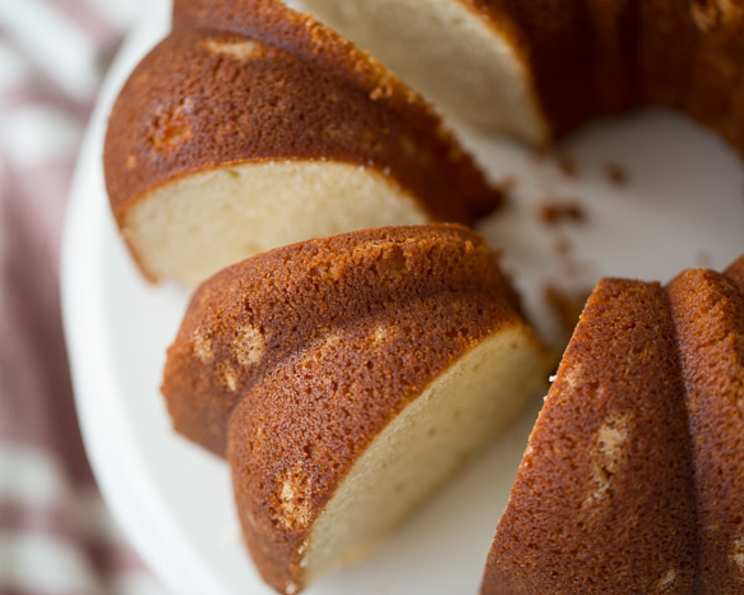
The Enduring Charm of Vanilla Pound Cake
My grandmother, bless her heart, wasn’t much of a risk-taker in the kitchen. Her repertoire consisted of reliably comforting classics, and chief among them was her vanilla pound cake. I remember, as a child, the heady aroma of vanilla and butter that would fill her small kitchen as this cake baked, the simple pleasure of a thick slice, still slightly warm, with a dusting of powdered sugar. It was more than just dessert; it was love, baked into every golden, tender crumb. This recipe is an ode to her unwavering dedication to simple perfection.
Recipe Overview
- Prep Time: 20 minutes
- Cook Time: 65-75 minutes
- Total Time: 1 hour 25 minutes – 1 hour 35 minutes
- Servings: 16
- Yield: 1 (10-inch) tube cake
- Dietary Type: Not Gluten-Free, Not Dairy-Free
Ingredients
- 2 cups sugar
- 1 1/2 cups butter, softened
- 6 eggs
- 2 teaspoons vanilla
- 3 cups flour
- 1 teaspoon baking powder
- 1 cup buttermilk
Equipment Needed
- Large mixing bowl
- Electric mixer (handheld or stand mixer)
- Measuring cups and spoons
- 10-inch tube pan
- Greasing brush or paper towel
- Cooling rack
- Toothpick or cake tester
Instructions
-
Begin by preheating your oven to 350°F (175°C). Ensure your oven rack is positioned in the center for even baking.
-
In a large mixing bowl, combine the sugar and softened butter. The butter should be soft enough to easily cream but not melted.
-
Using an electric mixer, beat the sugar and butter together on low speed until just combined. Then, increase the speed to high and beat for about 5 minutes, or until the mixture is light and fluffy. This step is crucial for incorporating air into the batter, resulting in a tender cake.
-
Add the eggs one at a time, beating well after each addition. Make sure each egg is fully incorporated before adding the next. This prevents the batter from curdling.
-
Stir in the vanilla.
-
In a separate bowl, whisk together the flour and baking powder. This ensures the baking powder is evenly distributed throughout the flour, which helps the cake rise properly.
-
Gradually add the dry ingredients (the flour mixture) and the buttermilk to the wet ingredients (the butter, sugar, egg, and vanilla mixture) alternately. Begin and end with the dry ingredients. Add about one-third of the flour mixture, then half of the buttermilk, then another third of the flour mixture, the remaining buttermilk, and finally the remaining flour mixture.
-
Beat on low speed after each addition, mixing until just combined. Be careful not to overmix, as this can develop the gluten in the flour and result in a tough cake.
-
Thoroughly grease and flour a 10-inch tube pan. Ensure every nook and cranny is coated to prevent the cake from sticking. A good trick is to grease the pan, then add a spoonful of flour and tap the pan to distribute it evenly, then tap out any excess flour.
-
Spoon the batter into the prepared tube pan, spreading it evenly.
-
Bake for 65-75 minutes, or until a toothpick or cake tester inserted into the center comes out clean. The baking time may vary depending on your oven, so start checking for doneness around 65 minutes. If the top of the cake is browning too quickly, you can loosely tent it with foil for the last 15-20 minutes of baking.
-
Once baked, remove the cake from the oven and let it cool in the pan for 15 minutes. This allows the cake to firm up slightly before inverting.
-
After 15 minutes, carefully invert the cake onto a cake plate or serving platter.
-
Allow the cake to cool completely before slicing and serving.
Expert Tips & Tricks
- Room Temperature is Key: Make sure your butter and eggs are at room temperature for optimal emulsification. This helps create a smooth, even batter and a tender crumb.
- Don’t Overmix: Overmixing develops the gluten in the flour, resulting in a tough cake. Mix until just combined after adding the flour mixture and buttermilk.
- Buttermilk Substitute: If you don’t have buttermilk on hand, you can make a quick substitute by adding 1 tablespoon of white vinegar or lemon juice to a liquid measuring cup, then filling the cup with milk to the 1-cup line. Let it sit for 5 minutes before using.
- Even Baking: To ensure even baking, you can use oven thermometer to check the real temperature inside the oven. You can also use baking strips to wrap around the tube pan. These strips help to insulate the pan and prevent the edges from browning too quickly.
Serving & Storage Suggestions
Vanilla pound cake is wonderfully versatile. Serve it plain, dusted with powdered sugar, or topped with fresh berries and whipped cream. It also pairs beautifully with a scoop of vanilla ice cream or a drizzle of chocolate sauce.
Store leftover cake in an airtight container at room temperature for up to 3 days, in the refrigerator for up to a week, or in the freezer for up to 2 months. To freeze, wrap the cake tightly in plastic wrap, then in aluminum foil. Thaw overnight in the refrigerator before serving. You can also warm a slice in the microwave for 10-20 seconds to refresh it before serving.
Nutritional Information
| Nutrient | Amount per Serving | % Daily Value |
|---|---|---|
| Calories | 369.2 kcal | N/A |
| Calories from Fat | 174 g | 47% |
| Total Fat | 19.4 g | 29% |
| Saturated Fat | 11.6 g | 58% |
| Cholesterol | 116.1 mg | 38% |
| Sodium | 218.1 mg | 9% |
| Total Carbohydrate | 43.9 g | 14% |
| Dietary Fiber | 0.6 g | 2% |
| Sugars | 25.9 g | 103% |
| Protein | 5.5 g | 10% |
Variations & Substitutions
- Lemon Pound Cake: Add the zest of 1 lemon to the batter along with the vanilla extract. You can also replace the buttermilk with lemon juice.
- Chocolate Marble Pound Cake: Divide the batter in half. Add 1/4 cup of cocoa powder to one half. Spoon alternating dollops of each batter into the prepared pan and swirl with a knife.
- Almond Pound Cake: Substitute almond extract for the vanilla extract, and add 1/2 cup of sliced almonds to the batter.
- Gluten-Free Pound Cake: Substitute a gluten-free all-purpose flour blend for the regular flour. You may need to add a little extra liquid to achieve the right consistency. Make sure to use a gluten-free baking powder.
FAQs (Frequently Asked Questions)
Q: Why is my pound cake dry?
A: Overbaking is the most common cause of dry pound cake. Make sure to check for doneness with a toothpick and avoid overbaking. Too much flour can also make a cake dry; measure your flour accurately.
Q: My cake is browning too quickly on top. What should I do?
A: Tent the cake loosely with aluminum foil for the last 15-20 minutes of baking. This will help to prevent the top from browning too much.
Q: Can I use a different size pan?
A: This recipe is designed for a 10-inch tube pan. If you use a different size pan, you may need to adjust the baking time.
Q: Can I freeze this cake?
A: Yes, you can freeze vanilla pound cake. Wrap the cake tightly in plastic wrap, then in aluminum foil, and freeze for up to 2 months. Thaw overnight in the refrigerator before serving.
Q: Why did my cake sink in the middle?
A: This can be caused by several factors, including using ingredients that are not at room temperature, overmixing the batter, or opening the oven door too frequently during baking. Ensure your ingredients are at room temperature, mix the batter until just combined, and avoid opening the oven door until the cake is nearly done.
Final Thoughts
This vanilla pound cake is a testament to the beauty of simplicity. It’s a classic for a reason – its tender crumb, rich flavor, and comforting aroma evoke feelings of warmth and nostalgia. I encourage you to bake this cake and share it with your loved ones. Feel free to experiment with different variations and flavor combinations to make it your own. And don’t hesitate to leave a comment with your feedback and experiences – I’d love to hear how it turns out for you! Pair a slice with a cup of freshly brewed coffee or tea for the perfect afternoon treat. Happy baking!