
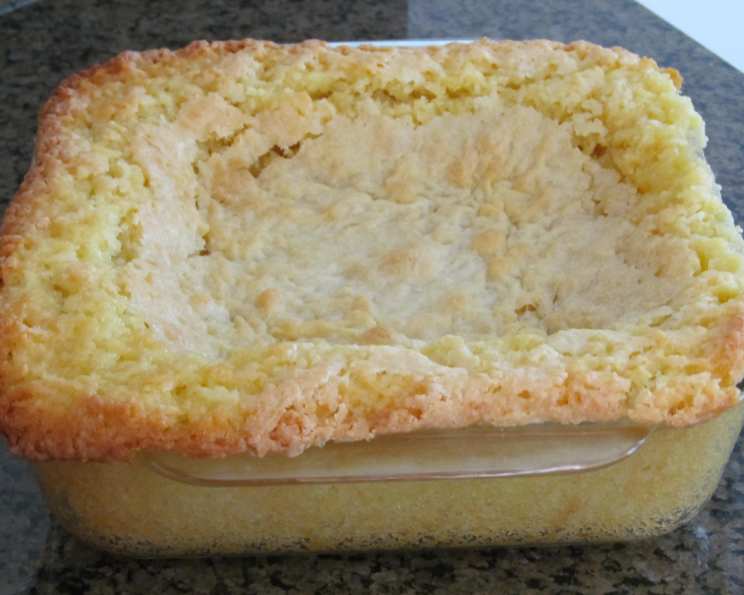
Vanuatu Coconut Cake: A Taste of Paradise
The first time I tasted coconut cake was at a tiny roadside stall in Port Vila, Vanuatu. The air was thick with the scent of frangipani and woodsmoke, and the vendor, a woman with a smile as warm as the island sun, offered me a slice still warm from the oven. The cake, dense and fragrant with fresh coconut, was an explosion of tropical flavor that instantly transported me. It wasn’t just a cake; it was a piece of the island itself, baked with love and the purest ingredients. It’s a memory I cherish, and a flavor I’ve been chasing ever since.
Recipe Overview
- Prep Time: 20 minutes
- Cook Time: 1 hour 30 minutes
- Total Time: 1 hour 50 minutes
- Servings: 10
- Yield: 1 Cake
- Dietary Type: Not specified
Ingredients
- 4 cups freshly grated coconut
- 250 g (8.8 oz or 1 cup plus 1 tbsp) unsalted butter, softened
- 8 large eggs
- 2 cups caster sugar (also known as superfine sugar)
- 2 cups self-raising flour
Equipment Needed
- Electric mixer
- Large mixing bowl
- Metal spoon
- 20cm (8 inch) round or square baking tin
- Parchment paper (optional, for lining the tin)
Instructions
-
Preheat your oven to 150°C (300°F). It’s crucial to have your oven at the correct temperature for even baking.
-
In a large mixing bowl, cream together the softened butter and caster sugar using an electric mixer. Beat until the mixture is light and creamy. This step is essential for incorporating air into the batter, resulting in a tender cake.
-
Add the eggs one at a time to the butter and sugar mixture. After each addition, mix thoroughly to ensure the eggs are fully incorporated. This prevents the mixture from curdling and helps create a smooth, homogenous batter.
-
In a separate bowl, combine the self-raising flour and freshly grated coconut.
-
Using a metal spoon, gently fold the flour and coconut mixture into the wet ingredients (butter, sugar, and eggs). Be careful not to overmix, as this can develop the gluten in the flour and result in a tough cake. Mix until just combined.
-
Grease and flour a 20cm (8 inch) round or square baking tin. Alternatively, line the bottom of the tin with parchment paper for easy removal. This prevents the cake from sticking to the tin.
-
Pour the cake batter into the prepared baking tin and spread it evenly.
-
Bake in the preheated oven for 1 ½ hours (90 minutes).
-
To check for doneness, insert a wooden skewer or toothpick into the center of the cake. If it comes out clean or with only a few moist crumbs attached, the cake is done. If the skewer comes out with wet batter, continue baking for another 10-15 minutes and check again.
-
Once baked, remove the cake from the oven and let it cool in the tin for about 10-15 minutes before inverting it onto a wire rack to cool completely.
Expert Tips & Tricks
-
Fresh Coconut is Key: While the recipe specifies freshly grated coconut, if you absolutely must use shredded or desiccated coconut, soak it in warm milk or coconut milk for about 30 minutes before adding it to the batter. This will help to rehydrate the coconut and prevent the cake from becoming dry. However, be mindful that the flavor and texture will be different from using fresh coconut.
-
Room Temperature Ingredients: Ensure that your butter and eggs are at room temperature before you start. This will help them to emulsify properly and create a smoother batter.
-
Don’t Overmix: Overmixing the batter will develop the gluten in the flour, resulting in a tough cake. Mix until just combined.
-
Oven Calibration: Ovens can vary in temperature, so it’s a good idea to use an oven thermometer to ensure that your oven is accurately calibrated. If your cake is browning too quickly, you can tent it with foil for the last part of the baking time.
-
Flavor Enhancement: For an extra boost of flavor, consider adding a teaspoon of vanilla extract or a few drops of coconut extract to the batter. You can also sprinkle a handful of toasted coconut flakes on top of the cake before baking for added texture and visual appeal.
-
Make Ahead: The cake batter can be prepared a day in advance and stored in the refrigerator. Bring it to room temperature before baking.
Serving & Storage Suggestions
This Vanuatu Coconut Cake is delicious served warm or at room temperature. You can dust it with powdered sugar for a simple yet elegant presentation. It pairs perfectly with a scoop of vanilla ice cream or a dollop of whipped cream. It’s also wonderful with a cup of coffee or tea.
To store leftovers, wrap the cake tightly in plastic wrap or place it in an airtight container. It will keep at room temperature for up to 3 days, in the refrigerator for up to a week, or in the freezer for up to 2 months. To reheat, simply warm slices in the microwave for a few seconds or in a preheated oven at 150°C (300°F) for about 10 minutes.
Nutritional Information
| Nutrient | Amount per Serving | % Daily Value |
|---|---|---|
| Calories | 707 kcal | N/A |
| Total Fat | 46g | 71% |
| Saturated Fat | 34g | 168% |
| Cholesterol | 203mg | 67% |
| Sodium | 73mg | 3% |
| Total Carbohydrate | 67g | 22% |
| Dietary Fiber | 6g | 24% |
| Sugars | 43g | N/A |
| Protein | 10g | 20% |
Note: Nutritional information is an estimate and may vary based on specific ingredients and preparation methods.
Variations & Substitutions
-
Gluten-Free: To make this cake gluten-free, substitute the self-raising flour with a gluten-free self-raising flour blend. You may also need to add a binding agent such as xanthan gum to help hold the cake together.
-
Dairy-Free: While the recipe calls for butter, you can substitute it with a plant-based butter alternative for a dairy-free version.
-
Coconut Milk: For an extra coconutty flavor, try substituting some of the butter with coconut oil or adding a splash of coconut milk to the batter.
-
Spices: Experiment with adding spices such as cinnamon, nutmeg, or cardamom to the batter for a warm and comforting flavor.
-
Citrus Zest: Add the zest of a lemon or lime to the batter for a bright and refreshing twist.
FAQs (Frequently Asked Questions)
Q: Can I use desiccated coconut instead of fresh coconut?
A: While fresh coconut is ideal for the best flavor and texture, you can use desiccated coconut. Soak it in warm milk or coconut milk for about 30 minutes before adding to the batter to rehydrate it.
Q: How do I prevent the cake from sticking to the tin?
A: Thoroughly grease and flour the baking tin, or line the bottom with parchment paper. This will help prevent the cake from sticking.
Q: My cake is browning too quickly. What should I do?
A: If your cake is browning too quickly, tent it with foil for the last part of the baking time.
Q: How do I know when the cake is done?
A: Insert a wooden skewer or toothpick into the center of the cake. If it comes out clean or with only a few moist crumbs attached, the cake is done.
Q: Can I freeze this cake?
A: Yes, you can freeze this cake. Wrap it tightly in plastic wrap and then in foil, or place it in an airtight container. It will keep in the freezer for up to 2 months. Thaw completely before serving.
Final Thoughts
This Vanuatu Coconut Cake is more than just a recipe; it’s a journey to a tropical paradise. With its simple ingredients and easy-to-follow instructions, you can recreate the taste of the islands in your own kitchen. So, gather your ingredients, preheat your oven, and prepare to be transported to a world of sunshine, sand, and the irresistible aroma of fresh coconut. Don’t hesitate to share your baking adventures with friends and family, and feel free to experiment with variations to make it your own. Enjoy the magic of this delightful cake!