
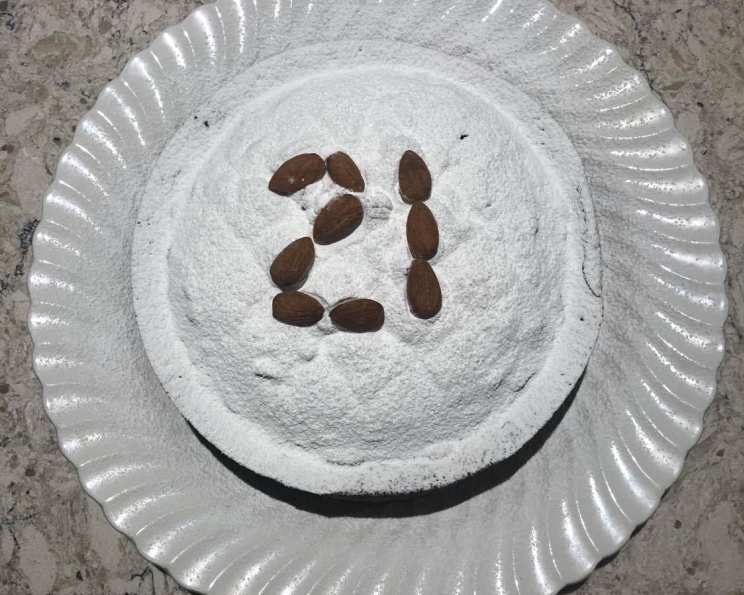
Vasilopita – Greek Saint Basil’s New Year’s Cake
The scent of citrus and warm vanilla always transports me back to my Yiayia’s (grandmother’s) kitchen in Athens. Every New Year’s Day, the whole family would gather, the aroma of Vasilopita filling the air. It wasn’t just a cake; it was a symbol of hope, a promise of good fortune, and a tangible expression of Yiayia’s love, carefully baked with a hidden coin for one lucky soul. The anticipation of who would find the “flouri” (coin) was almost as delicious as the cake itself!
Recipe Overview
- Prep Time: 20 minutes
- Cook Time: 40-50 minutes
- Total Time: 60-70 minutes
- Servings: 10
- Yield: 1 cake
- Dietary Type: Vegetarian
Ingredients
- 1 cup butter, plus 1 tablespoon butter, for greasing cake pan
- 2 cups white sugar, plus 2 tablespoons white sugar, for sprinkling
- 3 cups flour
- 6 eggs
- 2 teaspoons baking powder
- 1 cup warm milk
- ½ teaspoon baking soda
- 1 tablespoon fresh lemon juice
- ¼ cup blanched slivered almonds
- A clean silver or gold coin wrapped in aluminum foil (a quarter works well).
Equipment Needed
- 10-inch round cake pan
- Mixing bowls
- Electric mixer or whisk
- Measuring cups and spoons
- Cooling rack
Instructions
-
First, prepare your coin: Wrap a clean silver or gold coin tightly in aluminum foil. This is crucial to prevent any reaction between the coin and the cake batter and to make it easily identifiable after baking. A quarter works perfectly.
-
Preheat your oven to 350°F (175°C). This ensures even baking and a perfectly golden crust.
-
Prepare the cake pan: Grease a 10-inch round cake pan with 1 tablespoon of butter. This prevents the cake from sticking and allows for easy removal after baking.
-
In a medium bowl, the base of the cake begins: Cream together 1 cup of butter and 2 cups of sugar until light and fluffy. This process incorporates air into the mixture, resulting in a tender crumb. An electric mixer makes this step easier, but you can also use a whisk and some elbow grease.
-
Combine the dry and wet elements: Stir in the 3 cups of flour and mix until the batter resembles coarse breadcrumbs. This ensures the flour is evenly distributed before adding the wet ingredients, preventing gluten development and a tough cake.
-
Add the eggs: Add the 6 eggs, one at a time, blending each one in well. Incorporating the eggs gradually helps to emulsify the batter and create a smooth texture.
-
Leavening Power: In a small bowl, combine the 2 teaspoons of baking powder and 1 cup of warm milk, then add to the cake batter and mix well. This mixture activates the baking powder, providing the necessary lift for a light and airy cake. The warmth of the milk aids in the activation.
-
The lemon juice and baking soda: In another small bowl, combine the 1 tablespoon of lemon juice and ½ teaspoon of baking soda, then add to the cake batter and mix well. This combination creates a chemical reaction that further contributes to the cake’s rise and adds a subtle tangy flavor.
-
It’s time to Bake! Pour the cake batter into the greased cake pan.
-
Hide the treasure: Insert the foil-wrapped coin into the batter. Be sure to push it down slightly so it’s not visible on the surface.
-
Initial Bake: Bake for 20 minutes.
-
Time for Topping: Remove the cake from the oven. Sprinkle the ¼ cup of blanched slivered almonds and 2 tablespoons of sugar evenly over the cake. The sugar caramelizes during baking, creating a beautiful and slightly crunchy topping.
-
Final Bake: Return the cake to the oven and bake for a further 20-30 minutes, or until the cake springs back when lightly touched. The baking time may vary depending on your oven, so check for doneness by inserting a toothpick into the center of the cake; it should come out clean or with a few moist crumbs attached.
-
Cooling: Allow the cake to cool on a rack for 10 minutes before inverting the pan onto a cake plate. This allows the cake to settle and prevents it from breaking when you remove it from the pan.
-
Serving Tradition: Ideally, the cake should be served warm. Each person gets a slice of the cake, starting with the most senior member. Members of the Greek Orthodox Church believe that whoever gets the coin is blessed.
Expert Tips & Tricks
- For a richer flavor, use browned butter instead of regular butter. Simply melt the butter in a saucepan over medium heat and cook until it turns a nutty brown color. Let it cool slightly before using.
- Add a teaspoon of vanilla extract or orange zest to the batter for extra flavor.
- If the top of the cake starts to brown too quickly, tent it with foil during the last 15 minutes of baking.
- Ensure all ingredients are at room temperature before mixing for a smoother batter.
- If you don’t have slivered almonds, you can use chopped walnuts or pecans instead.
- For a more decorative touch, you can dust the top of the cake with powdered sugar after it has cooled completely.
- To make the cake ahead of time, bake it a day or two in advance and store it tightly wrapped at room temperature.
Serving & Storage Suggestions
Vasilopita is traditionally served warm on New Year’s Day, but it’s delicious any time of year. Serve it with a cup of strong Greek coffee or a glass of sweet dessert wine. Leftovers can be stored in an airtight container at room temperature for up to 3 days or in the refrigerator for up to 5 days. To reheat, warm slices in the microwave for a few seconds or in a low oven until heated through. You can also freeze the cake for up to 2 months; thaw it overnight in the refrigerator before serving.
Nutritional Information
| Nutrient | Amount per Serving | % Daily Value |
|---|---|---|
| Calories | 555.6 kcal | N/A |
| Calories from Fat | N/A | 42% |
| Total Fat | 25.6 g | 39% |
| Saturated Fat | 14.1 g | 70% |
| Cholesterol | 182.2 mg | 60% |
| Sodium | 330.2 mg | 13% |
| Carbohydrate | 73.6 g | 24% |
| Dietary Fiber | 1.4 g | 5% |
| Sugars | 43 g | N/A |
| Protein | 9.4 g | 18% |
Note: Nutritional information is an estimate and may vary based on specific ingredients and portion sizes.
Variations & Substitutions
- Citrus Boost: Add the zest of one orange or lemon to the batter for a brighter flavor.
- Spice It Up: Incorporate ½ teaspoon of ground cinnamon or nutmeg for a warmer, more comforting taste.
- Gluten-Free: Substitute the all-purpose flour with a gluten-free flour blend. You may need to add a binder like xanthan gum to help with the texture.
- Dairy-Free: Use a plant-based butter alternative and non-dairy milk such as almond, soy, or oat milk.
- Nut-Free: Omit the almonds or substitute them with sunflower seeds.
FAQs (Frequently Asked Questions)
Q: Can I use olive oil instead of butter?
A: While butter provides a richer flavor and texture, you can substitute it with olive oil. Use a good quality extra virgin olive oil and reduce the amount slightly, using about ¾ cup instead of 1 cup.
Q: What if I don’t have baking powder?
A: Baking powder is crucial for the cake’s rise. If you don’t have it, you can try using a substitute made from baking soda and cream of tartar.
Q: Can I use self-rising flour?
A: No, do not use self-rising flour. This recipe is formulated for all-purpose flour with baking powder added separately to control the leavening.
Q: How do I know when the cake is done?
A: The cake is done when it’s golden brown and springs back when lightly touched. You can also insert a toothpick into the center; it should come out clean or with a few moist crumbs attached.
Q: What does the coin symbolize?
A: The coin, known as the “flouri,” symbolizes good luck and blessings for the year ahead. Whoever finds the coin in their slice is said to be blessed with good fortune.
Final Thoughts
Now that you have this cherished recipe, I encourage you to gather your loved ones, preheat your oven, and bake your own Vasilopita. Share the joy, the tradition, and the hope that this cake represents. Don’t forget to hide that lucky coin! And if you find yourself experimenting with variations or have any questions, feel free to share your experiences – I’d love to hear how your Vasilopita journey unfolds! This cake isn’t just a dessert; it’s a symbol of connection, a taste of heritage, and a sweet way to welcome the New Year. Kali Orexi! (Bon appétit!)