
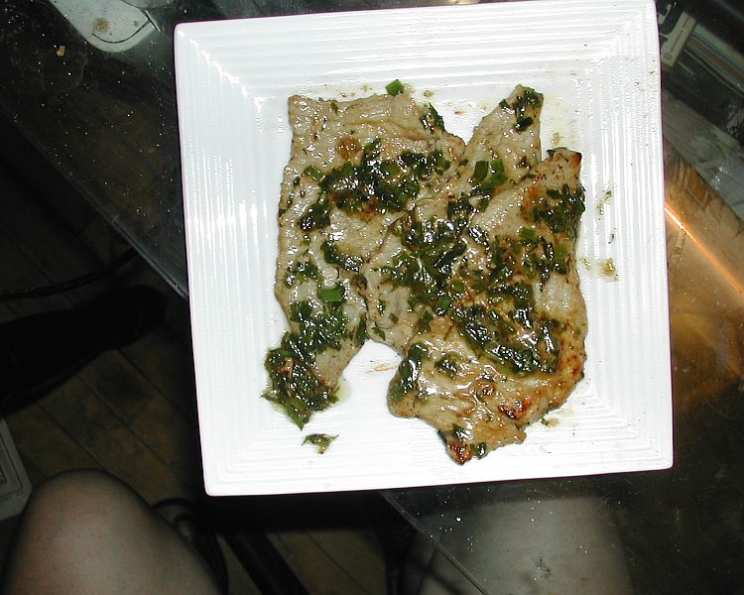
Veal Scaloppine: A Culinary Symphony in Minutes
The aroma still lingers in my memory – the delicate scent of browned butter mingled with fresh herbs, a fragrance that instantly transports me back to a small trattoria in Rome. My grandmother, Nonna Emilia, would often prepare veal scaloppine for our Sunday family lunches. The simplicity of the dish, highlighting the veal’s tender flavor, was always the most captivating aspect. It was more than just a meal; it was an expression of love, a testament to the beauty of uncomplicated cooking.
Recipe Overview
- Prep Time: 5 minutes
- Cook Time: 7 minutes
- Total Time: 12 minutes
- Servings: 4
- Yield: 4 servings
- Dietary Type: None Specified
Ingredients
- 4 (6 ounce) boneless veal steaks
- 1 teaspoon salt
- ½ teaspoon pepper
- 4 teaspoons butter
- 1 teaspoon minced parsley
- 1 teaspoon minced tarragon
- 1 teaspoon minced chives
Equipment Needed
- Meat mallet or rolling pin
- 12-inch skillet
Instructions
- Begin by preparing the veal. Place each veal steak between two sheets of plastic wrap or parchment paper. Using a meat mallet or rolling pin, pound the steaks until they are approximately ⅛ inch thick. This tenderizes the meat and allows for quick and even cooking.
- Season the flattened veal steaks generously with salt and pepper. Ensure both sides are evenly coated for optimal flavor.
- Place the 12-inch skillet over medium-high heat. Add the butter and allow it to melt completely. The butter should be hot but not smoking, which can cause it to burn.
- Carefully add the seasoned veal steaks to the skillet. Be cautious not to overcrowd the pan; work in batches if necessary to maintain optimal browning. Cook the steaks for approximately 3 minutes per side, or until they are golden brown and cooked through. The thinness of the veal means it cooks very quickly, so keep a close eye on it.
- Once the veal is cooked, add the minced parsley, tarragon, and chives to the skillet. Cook for just 1 minute more, allowing the herbs to release their aromatic oils and infuse the veal with their fresh flavors.
- If needed, add a little more butter to the skillet to create a light sauce. This will help to bind the flavors together and add richness to the dish. Swirl the pan gently to emulsify the butter with the pan juices and herbs.
Expert Tips & Tricks
- Pounding the Veal: Consistent thickness is key. If some parts are thicker than others, they won’t cook evenly.
- Don’t Overcook: Veal scaloppine is best served tender and juicy. Overcooking results in tough, dry meat. Err on the side of slightly undercooked, as the residual heat will continue to cook it.
- Herb Infusion: Add the herbs towards the end of the cooking process to preserve their vibrant flavor and color. Prolonged cooking can dull their taste.
- Pan Deglazing: For a richer sauce, deglaze the pan with a splash of dry white wine after cooking the veal, scraping up any browned bits from the bottom of the pan. Let the wine reduce slightly before adding the herbs and extra butter.
- Resting: Even though the veal is thin, let it rest for a minute or two after cooking. This allows the juices to redistribute, resulting in a more tender and flavorful final product.
- Batch Cooking: If cooking for a larger group, work in batches to avoid overcrowding the pan. Overcrowding lowers the pan’s temperature, resulting in steamed rather than seared meat. Keep the cooked scaloppine warm in a low oven (around 200°F or 95°C) while you finish the remaining batches.
Serving & Storage Suggestions
Veal scaloppine is best served immediately, while it’s still warm and tender. Arrange the steaks artfully on a plate, and spoon the pan sauce over them. Garnish with a sprinkle of fresh parsley or a lemon wedge for added brightness.
Excellent accompaniments include:
- Linguine or spaghetti aglio e olio (garlic and oil): The simplicity of the pasta complements the veal perfectly.
- Creamy polenta: Its smooth texture creates a delightful contrast with the veal.
- Sautéed spinach or asparagus: A light, healthy side dish to balance the richness of the scaloppine.
- Crusty bread: Ideal for soaking up the delicious pan sauce.
Storage: Leftover veal scaloppine can be stored in an airtight container in the refrigerator for up to 2 days. Reheat gently in a skillet over low heat or in the microwave. Be careful not to overcook it during reheating, as it can become tough. Freezing is not recommended, as it can affect the texture of the veal.
Nutritional Information
| Nutrient | Amount per Serving | % Daily Value |
|---|---|---|
| Calories | 280.7 kcal | N/A |
| Calories from Fat | 138 g | 49% |
| Total Fat | 15.4 g | 23% |
| Saturated Fat | 7.2 g | 35% |
| Cholesterol | 149.6 mg | 49% |
| Sodium | 748.4 mg | 31% |
| Total Carbohydrate | 0.4 g | 0% |
| Dietary Fiber | 0.1 g | 0% |
| Sugars | 0 g | 0% |
| Protein | 33.1 g | 66% |
Note: Nutritional information is an estimate and may vary based on specific ingredients and preparation methods.
Variations & Substitutions
- Chicken Scaloppine: Substitute boneless, skinless chicken breasts for the veal. Pound the chicken to the same thickness as the veal and follow the recipe as directed.
- Pork Scaloppine: Pork tenderloin can also be used as a substitute. Slice the tenderloin into medallions and pound them thin.
- Mushroom Scaloppine: Add sliced mushrooms to the skillet after cooking the veal. Sauté them until tender and golden brown for an earthy flavor.
- Lemon Butter Sauce: Squeeze a tablespoon of fresh lemon juice into the pan sauce for a bright, citrusy twist.
- Marsala Wine Sauce: For a richer, more complex flavor, deglaze the pan with Marsala wine instead of white wine.
- Gluten-Free: This recipe is naturally gluten-free. Ensure that any side dishes you serve with it are also gluten-free if needed.
- Dairy-Free: Substitute olive oil for the butter. The flavor will be slightly different, but it will still be delicious.
FAQs (Frequently Asked Questions)
Q: Can I use regular steak instead of veal?
A: While you can, the texture and flavor will be different. Veal is more tender and delicate. If using beef, choose a tender cut like sirloin and pound it very thin.
Q: How do I know when the veal is cooked through?
A: Veal scaloppine cooks very quickly. It’s done when it’s lightly browned and firm to the touch. Avoid overcooking, as it will become tough.
Q: Can I prepare the veal ahead of time?
A: You can pound and season the veal ahead of time and store it in the refrigerator for up to 24 hours. However, it’s best to cook it right before serving for the best flavor and texture.
Q: What kind of pan is best for cooking scaloppine?
A: A stainless steel or cast iron skillet is ideal because they conduct heat evenly and develop a nice sear on the veal. Avoid non-stick pans, as they don’t get hot enough for proper browning.
Q: The sauce seems too thin. How can I thicken it?
A: If the sauce is too thin, remove the veal from the pan and whisk a small amount of cornstarch (about ½ teaspoon) into a tablespoon of cold water to make a slurry. Add the slurry to the pan and cook over medium heat, stirring constantly, until the sauce thickens to your desired consistency.
Final Thoughts
Veal scaloppine is a testament to the fact that simple ingredients, when treated with care and respect, can create a truly unforgettable dish. This recipe, passed down through generations, is a reminder that the best meals are often the ones that are quick, easy, and made with love. So, gather your ingredients, embrace the simplicity, and create a culinary masterpiece that will transport you to the heart of Italy. I encourage you to try this recipe and share your feedback. Buon appetito!