
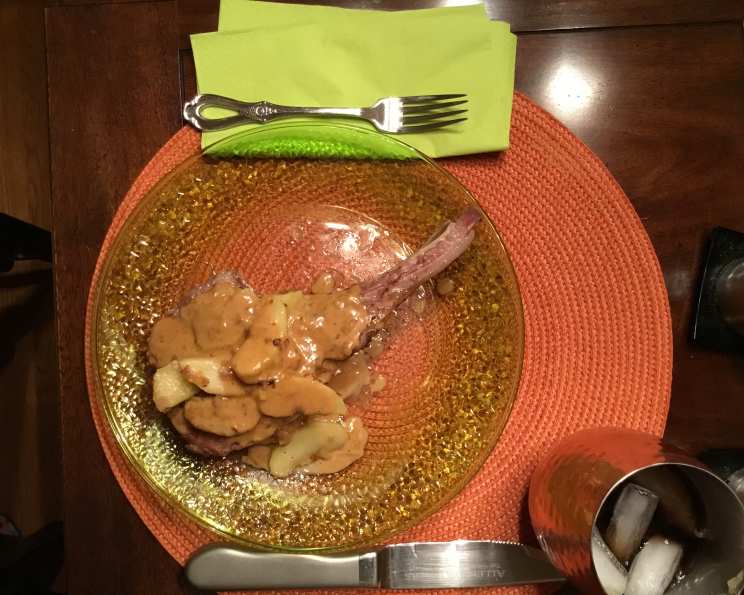
Veal Scaloppine with Cream, Calvados & Apples: A French Kiss to an Italian Classic
There’s a certain magic that happens when cultures collide in the kitchen. I still remember my first introduction to this beautiful fusion of French and Italian flavors. It was at a tiny bistro tucked away on a cobblestone street in Montreal. The aroma of apples and Calvados hung in the air, promising a dish that was both comforting and sophisticated. I watched, mesmerized, as the chef delicately browned the veal, then transformed simple ingredients into a luscious, creamy sauce right before my eyes. One bite, and I was hooked – the tender veal, the sweet and tart apples, the decadent sauce – it was a symphony of flavors that danced on my tongue.
Recipe Overview
- Prep Time: 15 minutes
- Cook Time: 15 minutes
- Total Time: 30 minutes
- Servings: 4
- Dietary Type: Omnivore
Ingredients
- 12 veal escalopes (4-inch diameter & 1/2-inch thick, not pounded)
- 3 medium apples
- 5 tablespoons lemon juice
- 1 teaspoon salt
- 1 teaspoon black pepper (freshly ground)
- 2 ounces flour
- 2 ounces butter
- 2 tablespoons vegetable oil
- 5 tablespoons Calvados
- 12 ounces double cream
Equipment Needed
- Large skillet (at least 15-inches in diameter)
- Mixing bowl
- Platter
Instructions
- Begin by prepping the apples. Peel, core, and cut them into ½-inch cubes. Place the cubed apples in a mixing bowl.
- Immediately add the lemon juice to the bowl of apples. Mix thoroughly to ensure the apples are well-coated with the lemon juice. This prevents them from browning and adds a crucial tartness to balance the richness of the sauce. Set the bowl aside.
- Season the veal escalopes. Sprinkle them with salt and pepper.
- Dredge the seasoned veal escalopes in the flour, ensuring they are lightly coated on all sides. Shake off any excess flour to prevent the sauce from becoming too thick or gummy.
- Heat the butter and vegetable oil in a large skillet, at least 15 inches in diameter, over medium heat. The combination of butter and oil provides both flavor and a higher smoke point, preventing the butter from burning.
- Once the butter and oil mixture is hot, carefully add the veal escalopes to the skillet, a few pieces at a time, ensuring not to overcrowd the pan. Overcrowding will lower the temperature of the pan and result in steamed, rather than seared, veal.
- Sauté the veal until lightly browned on both sides, approximately 4 minutes per side over medium heat. Be sure to maintain a consistent medium heat to achieve even browning without burning the butter.
- Once the veal escalopes are cooked through, remove them from the skillet and arrange them on a platter. Keep them warm in a preheated oven at 180°F (80°C) while you prepare the sauce.
- Pour the apples (along with any accumulated lemon juice) and Calvados into the same skillet used to cook the veal.
- Scrape up any browned bits and pan encrustations from the bottom of the pan using a spatula or wooden spoon. These browned bits, known as fond, are packed with flavor and will add depth to the sauce.
- Cook the apple mixture over medium heat, stirring frequently, for 3 minutes, allowing the Calvados to deglaze the pan and the apples to soften slightly.
- Pour in the double cream and continue cooking, stirring frequently, until the mixture has turned a rich ivory color.
- Reduce the heat to low and continue cooking, stirring frequently, for almost 10 minutes, or until the cream has reduced by about half and the sauce is thick enough to coat the back of a spoon. This step is crucial for developing the sauce’s rich flavor and creamy texture.
- Taste the sauce and adjust the seasoning, adding approximately ½ teaspoon of salt or more to taste, if needed. The amount of salt required will depend on the saltiness of the butter used.
- Spoon the sauce generously over the warm veal escalopes on the platter and serve immediately.
Expert Tips & Tricks
- Patience is key: Don’t rush the reduction of the cream. Allowing it to slowly reduce over low heat is essential for developing a rich, concentrated flavor and a velvety texture.
- Don’t overcrowd the pan: Cook the veal in batches to ensure proper browning. Overcrowding the pan will lower the temperature and result in steamed, rather than seared, veal.
- Use high-quality ingredients: The quality of the veal, apples, and cream will directly impact the flavor of the finished dish. Opt for fresh, high-quality ingredients whenever possible.
- Adjust the sweetness: If you prefer a sweeter sauce, consider adding a touch of honey or maple syrup along with the apples.
- Flame the Calvados (optional): For a more dramatic presentation and to intensify the Calvados flavor, you can carefully flame the Calvados in the pan before adding the apples. Exercise extreme caution when flaming alcohol.
Serving & Storage Suggestions
Serve the Veal Scaloppine with Cream, Calvados & Apples immediately after preparation for the best flavor and texture. Garnish with a sprinkle of fresh parsley or thyme for added visual appeal. This dish pairs well with a side of creamy mashed potatoes, buttered noodles, or a simple green salad.
Leftovers can be stored in an airtight container in the refrigerator for up to 2 days. Reheat gently over low heat, stirring occasionally, until warmed through. Be careful not to overheat, as the cream sauce may separate. The dish is not recommended for freezing, as the cream sauce may become grainy upon thawing.
Nutritional Information
| Nutrient | Amount per Serving | % Daily Value |
|---|---|---|
| Calories | 675 kcal | 34% |
| Total Fat | 56g | 86% |
| Saturated Fat | 35g | 175% |
| Cholesterol | 200mg | 67% |
| Sodium | 800mg | 33% |
| Total Carbohydrate | 35g | 12% |
| Dietary Fiber | 4g | 16% |
| Sugars | 15g | 30% |
| Protein | 30g | 60% |
Nutritional information is an estimate and may vary based on specific ingredients and portion sizes.
Variations & Substitutions
- Chicken Scaloppine: Substitute thinly sliced chicken breasts for the veal for a more budget-friendly option.
- Pork Scaloppine: Use pork tenderloin, thinly sliced, as an alternative protein.
- Gluten-Free: Use a gluten-free all-purpose flour blend for dredging the veal.
- Non-Dairy Cream Sauce: While it will alter the flavor profile significantly, you could try using a rich cashew cream or coconut cream for a dairy-free version. Be mindful that these may not reduce in the same way as double cream.
- Seasonal Fruit: Experiment with different fruits depending on the season. Pears, peaches, or berries would all be delicious alternatives to apples.
FAQs (Frequently Asked Questions)
Q: Can I use a different type of alcohol besides Calvados?
A: Yes, you can substitute Calvados with another apple brandy, Cognac, or even a dry sherry in a pinch.
Q: What if I don’t have double cream?
A: Heavy cream will work as a substitute, though the sauce may not be quite as rich and thick.
Q: Can I make this dish ahead of time?
A: It’s best to serve this dish immediately, but you can prep the apples and dredge the veal in flour ahead of time.
Q: How do I know when the veal is cooked through?
A: The veal should be lightly browned and firm to the touch. Avoid overcooking, as it can become tough. An internal temperature of 145°F (63°C) is ideal.
Q: Can I add other vegetables to the sauce?
A: Yes, you can add sliced shallots or mushrooms to the pan along with the apples for extra flavor and texture.
Final Thoughts
This Veal Scaloppine with Cream, Calvados & Apples is more than just a recipe; it’s an experience. It’s a chance to create something truly special, a dish that embodies both elegance and comfort. So, gather your ingredients, pour yourself a glass of crisp white wine, and embark on this culinary adventure. Don’t be afraid to experiment and make it your own. And most importantly, enjoy the process and savor every delicious bite! I encourage you to share your experiences, variations, and any questions you may have. Bon appétit!