
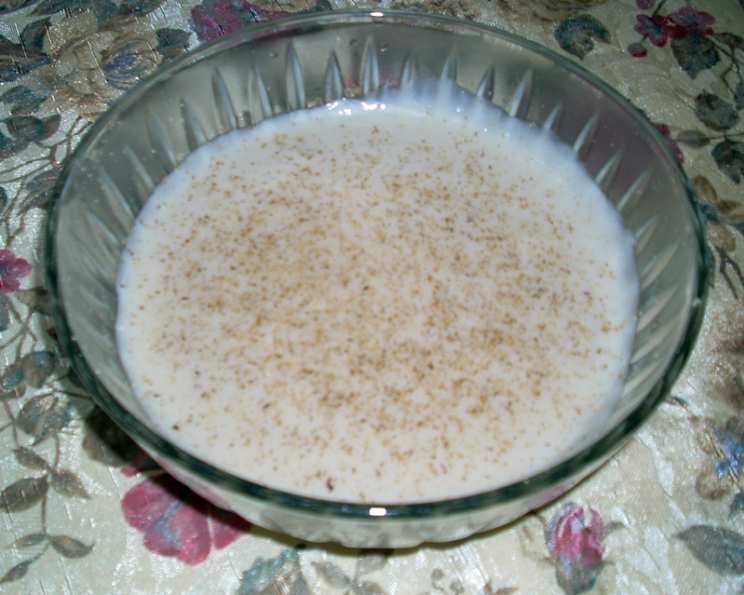
Indulge in Decadence: The Creamiest Vegan Coconut Custard
There’s something profoundly comforting about a bowl of creamy custard. Growing up, my grandmother would always make a rich, egg-based custard that was the highlight of every holiday. When I transitioned to a vegan lifestyle, I thought those memories were relegated to the past. But the craving for that familiar, velvety texture never truly faded. After countless experiments, I finally perfected a vegan version using the magic of coconut, and honestly, it rivals the original! The aroma of coconut extract wafting through the kitchen as this custard sets is pure bliss.
Recipe Overview
- Prep Time: 10 minutes
- Cook Time: 20-30 minutes (or refrigeration time)
- Total Time: 30-40 minutes + chilling
- Servings: 4-6
- Dietary Type: Vegan
Ingredients
- 16 ounces coconut milk
- 8 ounces almond milk
- 1/3 cup sugar
- 1/4 cup cornstarch
- 1/2 teaspoon vanilla extract
- 1/4 teaspoon coconut extract
Equipment Needed
- Medium saucepan
- Whisk
- Mixing bowl or individual ramekins
- Oven (optional, for baking method)
- Baking pan (optional, for water bath)
Instructions
-
In a medium saucepan, combine the coconut milk, almond milk, sugar, cornstarch, vanilla extract, and coconut extract.
-
Using a whisk, thoroughly whisk all the ingredients together until the mixture is perfectly smooth. Ensure there are no lumps of cornstarch remaining. This step is crucial for a silky-smooth final product.
-
Place the saucepan over medium heat. Begin to stir the mixture constantly. It’s important to stir continuously to prevent the cornstarch from settling and clumping at the bottom of the pan, which could result in a lumpy custard.
-
Continue to stir the mixture over medium heat until it begins to boil. This will take several minutes. Be patient and persistent with your stirring.
-
Once the mixture begins to boil, immediately reduce the heat to low. Continue to stir constantly until the custard thickens. You’ll notice the mixture transforming from a milky liquid to a thicker, pudding-like consistency. This thickening process usually takes just a few minutes, so keep a close eye on it.
-
Once the custard has thickened to your desired consistency, remove the saucepan from the heat.
-
Now you have two options for setting the custard:
- Refrigeration Method: Transfer the hot custard to a mixing bowl. Cover the surface of the custard with plastic wrap, pressing it directly onto the surface to prevent a skin from forming. Refrigerate for at least 2-3 hours, or preferably overnight, until the custard is completely set.
- Baking Method (Water Bath): Preheat your oven to 350°F (175°C). Pour the custard into individual baking cups or ramekins. Place the ramekins in a baking pan. Carefully pour hot water into the baking pan, reaching halfway up the sides of the ramekins. This creates a water bath, which will help the custard bake evenly and prevent it from cracking. Bake for 20-30 minutes, or until the custards are set but still have a slight jiggle in the center. Remove the ramekins from the water bath and allow them to cool completely before refrigerating.
-
Once the custard is completely set (either by refrigeration or baking), it is ready to serve.
Expert Tips & Tricks
- For an extra smooth custard, you can strain the mixture through a fine-mesh sieve after cooking and before chilling. This will remove any small lumps or imperfections.
- Adjust the amount of sugar to your liking. Taste the mixture while it’s cooking and add more sugar if needed.
- If you are using the baking method, keep a close eye on the water level in the water bath. If the water evaporates too quickly, add more hot water to the pan.
- Don’t overbake the custard if using the baking method. Overbaking can cause the custard to become dry and rubbery. The custard should still have a slight jiggle in the center when it’s done.
- To avoid a skin forming when refrigerating, press plastic wrap directly onto the surface of the custard. Alternatively, whisk the custard vigorously every 30 minutes while it cools.
Serving & Storage Suggestions
Serve the vegan coconut custard chilled. Garnish with fresh berries, toasted coconut flakes, a sprinkle of cinnamon, or a drizzle of maple syrup for an extra touch of elegance. It pairs beautifully with fresh fruit or a dollop of vegan whipped cream.
Leftover custard should be stored in an airtight container in the refrigerator. It will keep for up to 3-4 days. This custard is best enjoyed cold; reheating is not recommended as it can alter the texture. It will not freeze well.
Nutritional Information
| Nutrient | Amount per Serving | % Daily Value |
|---|---|---|
| Calories | 324 kcal | 16% |
| Total Fat | 21 g | 32% |
| Saturated Fat | 19 g | 95% |
| Cholesterol | 0 mg | 0% |
| Sodium | 60 mg | 3% |
| Total Carbohydrate | 34 g | 11% |
| Dietary Fiber | 3 g | 12% |
| Sugars | 24 g | – |
| Protein | 3 g | 6% |
Nutritional information is an estimate and may vary based on specific ingredients used.
Variations & Substitutions
- Different Extracts: Experiment with different extracts, such as almond extract or lemon extract, to create unique flavor profiles.
- Sweetener Options: Replace the sugar with maple syrup, agave nectar, or another sweetener of your choice. Keep in mind that this might slightly alter the texture and flavor of the custard.
- Milk Alternatives: While the recipe calls for almond milk, you can substitute it with other plant-based milks like soy milk, oat milk, or cashew milk. The choice of milk will influence the final flavor of the custard.
- Chocolate Coconut Custard: Add 2 tablespoons of cocoa powder to the mixture for a rich chocolate twist.
- Berry Swirl: Swirl in a berry compote or jam just before chilling for a fruity flavor.
- Spice It Up: A pinch of cinnamon, nutmeg, or cardamom can add warmth and complexity to your coconut custard.
FAQs (Frequently Asked Questions)
Q: Can I use full-fat coconut milk for an even richer custard?
A: Absolutely! Using full-fat coconut milk will result in an even creamier and more decadent custard. The fat content will contribute to a richer mouthfeel.
Q: What if my custard doesn’t thicken properly?
A: Make sure you are using the correct amount of cornstarch and that it is properly dissolved. If the custard still doesn’t thicken, you can mix a little more cornstarch with cold water to form a slurry and whisk it into the hot custard. Continue cooking until it thickens.
Q: Can I make this custard ahead of time?
A: Yes! This custard is perfect for making ahead of time. It needs at least 2-3 hours to set in the refrigerator, but it can be made up to 2 days in advance.
Q: Why is a water bath recommended for baking custard?
A: A water bath helps to regulate the temperature around the custard, ensuring it cooks evenly and prevents it from cracking or becoming rubbery.
Q: Is there a substitute for cornstarch?
A: Yes, you can substitute arrowroot powder for cornstarch in a 1:1 ratio. Arrowroot powder is another effective thickener.
Final Thoughts
This vegan coconut custard is more than just a dessert; it’s a nostalgic journey, a testament to the fact that plant-based eating doesn’t mean sacrificing flavor or texture. I urge you to try this recipe and discover the creamy, dreamy deliciousness for yourself. Don’t be afraid to get creative with variations and personalize it to your liking! Share your creations and feedback – I’d love to hear about your culinary adventures with this recipe. Perhaps pair it with a steaming mug of herbal tea or a light, crisp vegan biscotti for the perfect afternoon treat.