
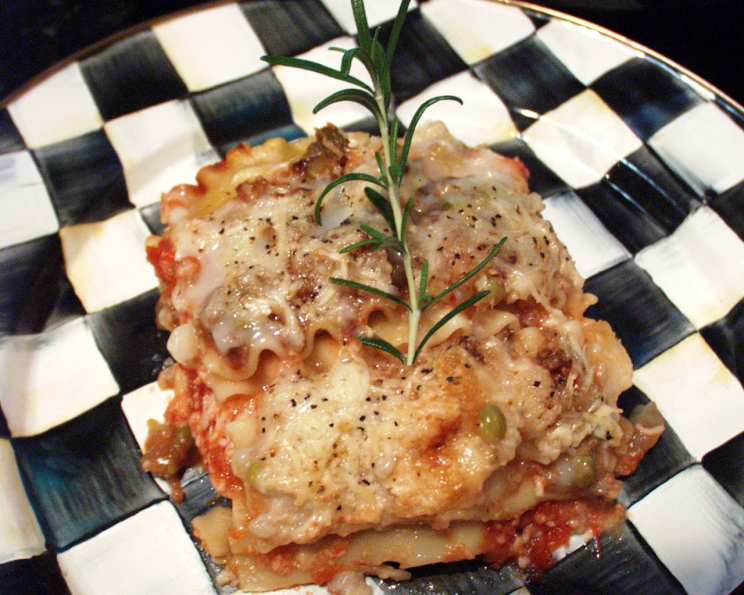
Decadent Vegan Lasagne: A Hearty Comfort Food Classic
The aroma of lasagne baking always takes me back to my university days. Late nights studying were often rewarded with a bubbling, cheesy (well, not in this case!), and comforting lasagne made by my dear housemate. Even though she wasn’t vegan at the time, I remember the sheer joy a hearty slice brought after hours of poring over textbooks. This vegan version captures that same spirit of satisfying indulgence, proving that you don’t need animal products to create a truly memorable lasagne experience.
Recipe Overview
- Prep Time: 25 minutes
- Cook Time: 35 minutes
- Total Time: 1 hour
- Servings: 4-6
- Yield: 1 lasagne
- Dietary Type: Vegan
Ingredients
- 1 tablespoon olive oil
- 400g soup (or 400g leftover easy green broth – lentil and barley based soup is ideal)
- 250g vegan mincemeat
- 3 celery ribs, diced
- 4 garlic cloves, crushed
- 3 onions, diced
- 100g mushrooms, sliced
- 2 vegetable bouillon cubes
- 4 teaspoons vegan gravy granules
- 1 tablespoon fresh thyme, chopped
- 1 tablespoon fresh rosemary, chopped
- 1 tablespoon Italian seasoning
- 1 (400g) can of peeled plum tomatoes
- 1 tablespoon tomato paste
- 10 dry lasagna noodles
- ¾ pint soya milk
- 2 tablespoons cornstarch
- 1 tablespoon nutritional yeast (optional)
- Vegan parmesan cheese, for topping
- Salt and pepper, to taste
Equipment Needed
- Large skillet or pot
- 9×13 inch baking dish
- Small saucepan
- Whisk
- Measuring spoons and cups
Instructions
-
Begin by preparing the vegetable base. In a large skillet or pot, heat the olive oil over medium heat. Add the diced onions and fry for about 5 minutes, until softened.
-
Add the diced celery to the onions and cook for another 2 minutes, stirring occasionally.
-
Next, add the sliced mushrooms to the pan and cook for 5 minutes, allowing them to release their moisture and brown slightly.
-
Incorporate the crushed garlic into the vegetable mixture and fry gently for another 5 minutes, being careful not to burn the garlic. This step infuses the dish with a wonderful aromatic flavor.
-
Add the vegan mincemeat to the pan and cook for a couple of minutes, breaking it up with a spoon.
-
Pour in the soup (or leftover green broth). Simmer gently, allowing the flavors to meld.
-
Add the can of peeled plum tomatoes to the pan. Use a spoon or your hands to gently crush the tomatoes, ensuring they are broken down but not completely pureed.
-
Stir in the tomato paste, fresh thyme, fresh rosemary, Italian seasoning, and vegetable bouillon cubes.
-
Bring the mixture to a boil, then reduce the heat and simmer gently for 5-10 minutes, allowing the sauce to thicken and the flavors to deepen.
-
Preheat your oven to 425°F (220°C or Gas Mark 7).
-
While the sauce simmers and the oven heats, prepare the lasagna noodles. In a baking dish, lay the lasagne sheets. Drizzle a little olive oil over the pasta, add boiling water to cover the noodles and let them soak for ten minutes. This pre-soaking method will soften the noodles, ensuring they cook evenly in the oven and you don’t need to pre-boil them.
-
To the simmering vegetable bolognese, stir in the vegan gravy granules, frying in the pan, this should thicken the sauce slightly. This helps to create a richer, more cohesive sauce.
-
Drain the water from the pasta in the dish. Begin layering the lasagne by spreading a layer of the tomato bolognese sauce at the bottom of the dish.
-
Top with a layer of lasagna noodles, followed by another layer of the tomato bolognese sauce. Continue layering, starting with the sauce and ending with the sauce on top.
-
In a separate small saucepan, prepare the vegan béchamel sauce. Whisk together the soya milk and cornstarch, ensuring there are no lumps. For extra richness, you can add a little vegan butter to the sauce, if desired.
-
Add the nutritional yeast to the soya milk mixture and stir continuously. This adds a cheesy flavour to the béchamel.
-
Bring the mixture gently to a boil over medium heat, stirring constantly with a whisk. As it heats, the sauce will thicken into a smooth, creamy béchamel.
-
Pour the vegan béchamel sauce evenly over the layers of tomato sauce and pasta in the baking dish.
-
Sprinkle the top of the lasagne generously with vegan parmesan cheese.
-
Season with salt and pepper to taste.
-
Bake in the preheated oven at 425°F (220°C or Gas Mark 7) for 30-35 minutes, or until the top is golden brown and bubbly.
-
Let the lasagne rest for 5-10 minutes before serving. This allows the layers to set and makes it easier to slice.
Expert Tips & Tricks
- Make-Ahead Tip: The vegetable bolognese sauce can be made a day or two in advance. Store it in an airtight container in the refrigerator until ready to use.
- Noodle Variation: While the recipe calls for standard lasagna noodles, you can use gluten-free noodles if needed. Be sure to check the cooking instructions on the package, as they may vary.
- Cheese Boost: For an extra cheesy flavor, consider adding a layer of vegan ricotta cheese between the noodle layers.
- Browning Control: If the top of the lasagne is browning too quickly in the oven, cover it loosely with foil for the last 10-15 minutes of baking.
- Fresh Herbs: Don’t skimp on the fresh herbs! They really elevate the flavor of the dish. If you don’t have fresh thyme and rosemary, you can substitute with dried, but use about half the amount.
- Soup Selection: The leftover soup makes an amazing base for the sauce, but avoid strongly flavored soups like butternut squash.
Serving & Storage Suggestions
Serve the vegan lasagne hot, straight from the oven. A side of garlic bread and a fresh green salad makes a perfect accompaniment.
Storage:
- Room Temperature: Do not leave lasagne at room temperature for more than 2 hours.
- Refrigerator: Store leftover lasagne in an airtight container in the refrigerator for up to 3-4 days.
- Freezer: For longer storage, freeze individual portions of lasagne for up to 2-3 months. Thaw in the refrigerator overnight before reheating.
Reheating:
- Oven: Reheat the lasagne in a preheated oven at 350°F (175°C) for 15-20 minutes, or until heated through.
- Microwave: Reheat individual portions in the microwave on medium power until heated through.
Nutritional Information
| Nutrient | Amount per Serving | % Daily Value |
|---|---|---|
| Calories | 320 kcal | 16% |
| Total Fat | 14g | 22% |
| Saturated Fat | 3g | 15% |
| Cholesterol | 0mg | 0% |
| Sodium | 550mg | 23% |
| Total Carbohydrate | 40g | 13% |
| Dietary Fiber | 8g | 32% |
| Sugars | 10g | 20% |
| Protein | 15g | 30% |
Nutritional information is an estimate and may vary based on specific ingredients and portion sizes.
Variations & Substitutions
- Gluten-Free: Use gluten-free lasagna noodles and ensure all other ingredients are gluten-free.
- Nut-Free: Substitute the soya milk with oat milk or another nut-free plant-based milk. Be mindful of any other nut-based ingredients and replace with suitable alternatives.
- Vegetable Variety: Add other vegetables like zucchini, bell peppers, or spinach to the sauce for added nutrients and flavor.
- Spicy Kick: Add a pinch of red pepper flakes to the sauce for a little heat.
- Creamy Cashew Sauce: For a richer, creamier sauce, blend soaked cashews with nutritional yeast, garlic, and lemon juice to create a vegan cashew cream. Use this in place of the soya milk béchamel.
FAQs (Frequently Asked Questions)
Q: Can I use fresh lasagna sheets instead of dry ones?
A: Yes, you can! Just be sure to adjust the baking time accordingly, as fresh pasta will cook faster. Keep an eye on it and reduce the baking time by about 10-15 minutes.
Q: Is nutritional yeast really necessary?
A: Nutritional yeast adds a cheesy, umami flavor that is characteristic of many vegan cheese substitutes. However, if you don’t have it on hand, you can omit it, although it will alter the taste slightly.
Q: Can I freeze the entire lasagne before baking?
A: Yes! Assemble the lasagne in a freezer-safe dish, wrap it tightly in plastic wrap and then foil, and freeze for up to 2 months. When ready to bake, thaw in the refrigerator overnight and then bake as directed. You may need to add a few extra minutes to the baking time.
Q: What’s the best way to prevent the lasagna from drying out?
A: Make sure the sauce is sufficiently moist before assembling the lasagne. Also, covering the dish with foil during the first half of baking can help prevent it from drying out.
Q: Can I use different types of plant-based milk for the béchamel?
A: Absolutely! While soya milk is called for in the recipe, you can also use almond milk, oat milk, or cashew milk. Just be aware that the flavor and texture may vary slightly depending on the type of milk you use.
Final Thoughts
This vegan lasagne is more than just a meal; it’s an invitation to create lasting memories around the table. I hope this recipe inspires you to experiment in the kitchen and discover the delicious possibilities of plant-based cooking. Don’t be afraid to customize it to your own tastes and preferences. And most importantly, share it with loved ones and enjoy the comforting warmth of a home-cooked meal.