
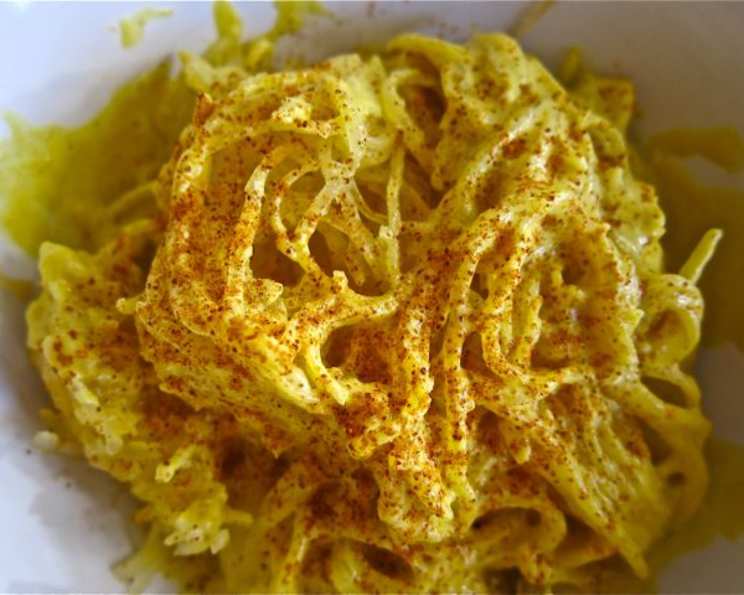
Vegan Spaghetti Squash with “No-Cheese” Sauce: A Comfort Food Revolution
There’s a specific memory etched in my mind, it was my first Thanksgiving after going vegan. The holiday table, usually laden with creamy, cheesy casseroles, felt…different. I remember feeling a pang of longing for the familiar comfort of those flavors, but also a fierce determination to create something equally satisfying and compassionate. That year, I stumbled upon the magic of “no-cheese” sauces and roasted spaghetti squash. The warm, nutty aroma filling my kitchen, the vibrant colors of the dish, and the surprising richness of the sauce – it was a revelation. From that day on, spaghetti squash transformed into a vegan staple in my home.
Recipe Overview
- Prep Time: 20 minutes
- Cook Time: 1 hour
- Total Time: 1 hour 20 minutes
- Servings: 6
- Yield: 1 large serving dish
- Dietary Type: Vegan, Gluten-Free
Ingredients
- 1 spaghetti squash
- 1 tablespoon season salt
- 1 teaspoon black pepper
- 1 cup toasted almonds
- ½ yellow onion
- 2 garlic cloves
- 1 green bell pepper
- ½ cup nutritional yeast
Equipment Needed
- Baking dish
- Foil
- Cooking spray
- Blender
- Large pot
Instructions
- Preheat your oven to 350°F (175°C).
- Line a baking dish with foil.
- Spray the foil-lined baking dish with cooking spray. This helps prevent sticking and makes cleanup easier.
- Place 1 cup of almonds in the prepared baking dish.
- Spread the almonds out in a single layer, ensuring they are not touching each other. This promotes even toasting.
- Bake the almonds for 10 minutes. Keep a close eye on them to prevent burning, as toasting times can vary slightly depending on your oven.
- Remove the toasted almonds from the oven and set them aside. Cover them with foil to keep them warm.
- Increase oven temperature to 375°F (190°C).
- Carefully cut the spaghetti squash in half lengthwise.
- Season the inside of both halves of the spaghetti squash with salt and pepper. Be generous with the seasoning, as this is your primary opportunity to flavor the squash.
- Line a separate baking dish with foil. This will catch any drippings from the squash during roasting.
- Place the squash cut-side down on the foil-lined baking dish.
- Roast the squash at 375°F (190°C) for 50 minutes. The squash is done when the flesh is easily pierced with a fork.
- While the squash is roasting, prepare the “no-cheese” sauce. Dice ½ yellow onion and 1 green bell pepper. Mince 2 garlic cloves.
- Sauté the diced onion, bell pepper, and minced garlic in a skillet over medium heat. Cook for about 10 minutes, or until the vegetables are softened and slightly translucent.
- Transfer the sautéed vegetables to a blender.
- Add the toasted almonds and nutritional yeast to the blender.
- Blend on high speed for 2 minutes, or until the mixture is completely smooth and creamy. You may need to scrape down the sides of the blender a few times to ensure even blending. If the sauce is too thick, add a tablespoon or two of water until desired consistency is achieved.
- Once the spaghetti squash is cooked, let it cool for about 1 hour before handling. This prevents burning your hands.
- Use a fork to gently scrape the inside of the spaghetti squash, pulling out the strands of “spaghetti.”
- Transfer all the spaghetti squash strands to a large pot.
- Pour the blended “no-cheese” sauce into the pot with the spaghetti squash.
- Stir the sauce and spaghetti squash together thoroughly, about 50 times, ensuring that the sauce is evenly distributed throughout the squash.
- Serve immediately.
Expert Tips & Tricks
- Toasting the almonds: Don’t skip this step! Toasting enhances their nutty flavor and adds depth to the sauce. If you are short on time, you can use pre-toasted almonds.
- Nutritional yeast: Nutritional yeast is the key to the “cheesy” flavor of the sauce. Don’t be tempted to reduce the amount, as it’s essential for achieving the desired taste.
- Spice it up: Add a pinch of red pepper flakes to the sautéed vegetables for a little heat.
- Roasting the squash: Roasting the squash cut-side down intensifies the flavor and prevents it from drying out.
- Sauce consistency: Adjust the consistency of the sauce to your liking by adding a little water or vegetable broth while blending.
Serving & Storage Suggestions
Serve this vegan spaghetti squash hot, as a main course or a side dish. Garnish with a sprinkle of fresh parsley or a drizzle of olive oil for added visual appeal.
Leftovers can be stored in an airtight container in the refrigerator for up to 3 days. To reheat, simply microwave or sauté in a pan until warmed through. The sauce may thicken slightly upon refrigeration, so you may need to add a splash of water or vegetable broth when reheating to restore its creamy consistency. Freezing is not recommended as it can affect the texture of the squash and sauce.
Nutritional Information
| Nutrient | Amount per Serving | % Daily Value |
|---|---|---|
| Calories | 214.6 kcal | N/A |
| Calories from Fat | 121 g | 57% |
| Total Fat | 13.5 g | 20% |
| Saturated Fat | 1.2 g | 5% |
| Cholesterol | 0 mg | 0% |
| Sodium | 18.6 mg | 0% |
| Total Carbohydrate | 17.3 g | 5% |
| Dietary Fiber | 7.4 g | 29% |
| Sugars | 2 g | N/A |
| Protein | 12 g | 24% |
Variations & Substitutions
- Different nuts: Substitute the almonds with cashews, walnuts, or even sunflower seeds for a different flavor profile.
- Vegetable variations: Add other vegetables to the sauce, such as mushrooms, spinach, or kale. Sauté them along with the onion and bell pepper.
- Herbs and spices: Experiment with different herbs and spices to customize the flavor of the sauce. Try adding dried oregano, basil, thyme, or smoked paprika.
- Tomato-based sauce: For a tangier flavor, add a can of diced tomatoes to the sautéed vegetables before blending.
- Different squash: While this recipe is specifically for spaghetti squash, you can adapt it to use other winter squash varieties such as butternut squash or acorn squash.
FAQs (Frequently Asked Questions)
Q: Can I make the sauce ahead of time?
A: Yes, you can make the “no-cheese” sauce up to 2 days in advance and store it in the refrigerator. Reheat it gently before adding it to the spaghetti squash.
Q: Can I use pre-shredded spaghetti squash?
A: While fresh spaghetti squash is recommended for the best flavor and texture, you can use pre-shredded squash if needed. However, be sure to check the moisture content, as it may require a slightly shorter cooking time.
Q: I don’t have a high-speed blender. Can I still make the sauce?
A: Yes, but you may need to soak the almonds in hot water for 30 minutes before blending to soften them and achieve a smoother consistency.
Q: Can I add other beans or vegetables to this recipe?
A: Absolutely! Add cooked lentils or chickpeas for extra protein. Other veggies such as roasted broccoli or sauteed mushrooms work well.
Q: Is there a substitute for nutritional yeast?
A: The “cheesy” flavor of nutritional yeast is unique. Unfortunately, there isn’t a single ingredient that perfectly replicates it. Some people substitute it with a small amount of miso paste for umami.
Final Thoughts
This Vegan Spaghetti Squash with “No-Cheese” Sauce is more than just a recipe; it’s a testament to the delicious possibilities of plant-based cooking. I encourage you to try this recipe and experience the surprisingly rich and comforting flavors for yourself. Don’t be afraid to experiment with variations and make it your own. Share your creations and feedback, and let’s continue to explore the exciting world of vegan cuisine together! This dish pairs well with a crisp green salad and a glass of dry white wine. Happy cooking!