
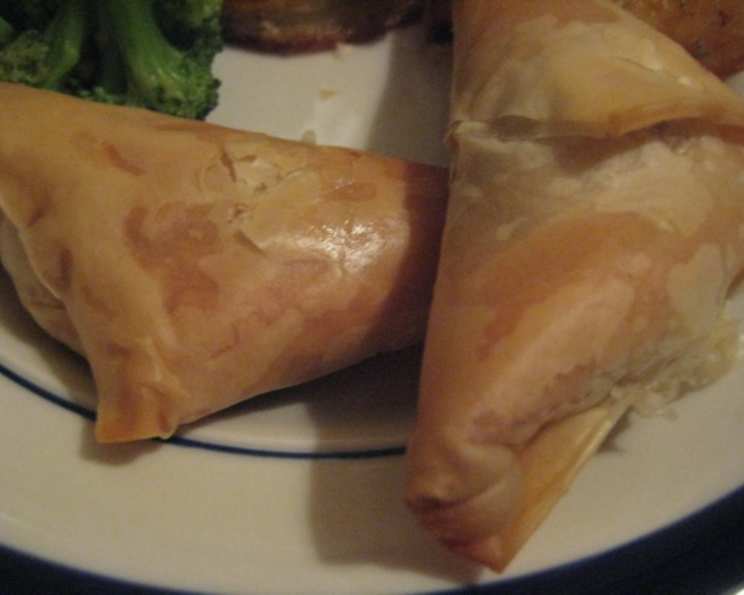
Vegan Spanakopita Triangles: A Taste of the Mediterranean, Made with Love
The first time I tasted spanakopita, I was wandering through a bustling market in Athens. The aroma of freshly baked pastry filled the air, drawing me to a small stall overflowing with golden triangles. One bite of the flaky, savory filling, and I was hooked. I knew I had to recreate this magical experience back in my own kitchen, but with a vegan twist. After much experimenting, I think I’ve captured the essence of that Grecian delight, and I’m thrilled to share my recipe with you.
Recipe Overview
- Prep Time: 1 hour
- Cook Time: 10-20 minutes
- Total Time: 1 hour 20 minutes
- Servings: Varies
- Yield: 12-15 triangles
- Dietary Type: Vegan
Ingredients
- 1 lb soft tofu, drained and crumbled
- 2 lbs spinach, bathed and chopped (See note below)
- 1 onion, chopped
- 4 garlic cloves, minced
- 1 lemon, juice of
- 1 tablespoon dried oregano
- 1-2 teaspoon salt (to taste)
- 1 teaspoon black pepper
- 1 tablespoon canola oil
- 1/2 cup canola oil, for brushing
- 12-15 sheets phyllo pastry
Note on Spinach: When I say here to bathe the spinach, I mean fill your sink with cold water and shake the spinach in there for a while to get the sand off the leaves.
Equipment Needed
- Large pan
- Strainer
- Mixing bowl
- Small saucepan
- Dry cutting board
- Cookie sheet
- Fork
Instructions
- Begin by preparing the filling. Heat 1 tablespoon of canola oil in a large pan over medium heat. Add the minced garlic and chopped onions and sauté until translucent, about 5-7 minutes. Be careful not to burn the garlic.
- Add the chopped spinach to the pan. Cover and cook, stirring occasionally, until the spinach is wilted, about 5-10 minutes.
- Remove the spinach mixture from the heat and drain it thoroughly in a strainer to remove excess moisture. This step is crucial to prevent soggy spanakopita. Press down on the spinach with the back of a spoon to extract as much water as possible.
- In a large mixing bowl, combine the drained spinach mixture, crumbled tofu, salt, pepper, dried oregano, and the juice of one lemon. Toss gently to blend evenly, ensuring all ingredients are well distributed. Taste and adjust seasonings as needed.
- In a small saucepan, heat the remaining 1/2 cup of canola oil over medium heat for a few minutes until it’s warm. Remove from heat. This oil will be used to brush the phyllo pastry.
- Now, for the assembly. On a dry cutting board, lay down one sheet of phyllo dough. Lightly brush the entire sheet with the warmed canola oil.
- Fold the phyllo sheet in half lengthwise. Brush the folded dough lightly with a little more oil.
- Place a spoonful (about 2 tablespoons) of the spinach and tofu mixture onto the bottom section of the folded dough, near one of the short edges.
- Take the bottom left corner of the dough and fold it over the filling, creating a triangle shape. Gently press to ensure the filling is distributed evenly within the triangle. Leave a small space between the filling and the edges of the dough to allow for expansion during baking.
- Brush the part of the dough that is folded over the mixture with oil, and fold that section over again, the way you would fold a flag, so it makes a triangle. Continue folding in this manner, brushing lightly with oil before each fold, until you reach the end of the strip. This folding technique creates the characteristic layered texture of spanakopita.
- At the final fold, brush the remaining edges of the dough with oil to help them stick to the triangle. When you are done, you should have a roughly 4-inch long triangle pocket.
- Place the completed triangle on a cookie sheet. Repeat this process with the remaining phyllo dough and spinach filling.
- Before baking, use a fork to poke each triangle once or twice to allow steam to escape during cooking. This will prevent the triangles from bursting.
- Cook in a preheated 425°F (220°C) oven for 10-20 minutes, or until the triangles are golden brown and flaky all over. Keep a close eye on them to prevent burning. Baking time may vary depending on your oven.
Expert Tips & Tricks
- Preventing Soggy Spanakopita: The key to crispy spanakopita is removing as much moisture as possible from the spinach. Don’t skip the draining step! You can even use a clean kitchen towel to squeeze out any remaining liquid.
- Working with Phyllo Dough: Phyllo dough dries out quickly, so it’s important to work efficiently. Keep the stack of phyllo sheets covered with a damp (not wet) towel while you’re assembling the triangles. This will prevent them from becoming brittle and tearing.
- Even Baking: For even browning, rotate the cookie sheet halfway through the baking time.
- Flavor Boost: For a more complex flavor, add a pinch of nutmeg to the spinach filling.
- Make-Ahead Option: You can assemble the spanakopita triangles ahead of time and store them in the refrigerator for up to 24 hours before baking. Just be sure to cover them tightly to prevent the phyllo dough from drying out.
Serving & Storage Suggestions
Serve your vegan spanakopita triangles warm as an appetizer, snack, or light meal. They’re delicious on their own or with a side of vegan tzatziki sauce or a fresh Greek salad.
To store leftovers, allow the spanakopita to cool completely before transferring them to an airtight container. They can be stored in the refrigerator for up to 3 days. To reheat, bake in a preheated 350°F (175°C) oven for 5-10 minutes, or until heated through and crispy.
Spanakopita can also be frozen. Wrap the cooled triangles individually in plastic wrap, then place them in a freezer-safe bag or container. They can be stored in the freezer for up to 2 months. To reheat, bake from frozen in a preheated 350°F (175°C) oven for 15-20 minutes, or until heated through and crispy.
Nutritional Information
| Nutrient | Amount per Serving | % Daily Value |
|---|---|---|
| Calories | 195.4 kcal | N/A |
| Calories from Fat | 118 g | 60% |
| Total Fat | 13.1 g | 20% |
| Saturated Fat | 1.3 g | 6% |
| Cholesterol | 0 mg | 0% |
| Sodium | 349 mg | 14% |
| Total Carbohydrate | 15.3 g | 5% |
| Dietary Fiber | 2.4 g | 9% |
| Sugars | 1.1 g | N/A |
| Protein | 6.2 g | 12% |
Note: Nutritional information is an estimate and may vary based on specific ingredients and portion sizes.
Variations & Substitutions
- Gluten-Free Spanakopita: While traditional spanakopita uses phyllo dough, which contains gluten, you can adapt this recipe by using gluten-free phyllo dough or creating your own gluten-free crust using a blend of gluten-free flours.
- Different Greens: Feel free to experiment with other greens in addition to or in place of spinach. Kale, chard, or collard greens would all be delicious additions.
- Vegan Feta Alternative: If you want a more authentic “cheesy” flavor, try adding a crumbled vegan feta alternative to the filling.
- Herbs: While oregano is the traditional herb, you can also add other Mediterranean herbs like dill, mint, or parsley to the filling.
FAQs (Frequently Asked Questions)
Q: Can I make this ahead of time?
A: Yes! You can assemble the triangles and keep them refrigerated for up to 24 hours before baking. Be sure to cover them well to prevent the phyllo from drying.
Q: Is it important to drain the spinach well?
A: Absolutely! Excess moisture is the enemy of crispy spanakopita. Make sure to squeeze out as much water as possible after cooking the spinach.
Q: Can I use frozen spinach instead of fresh?
A: Yes, but be sure to thaw it completely and squeeze out all the excess water before using it in the filling.
Q: What can I serve with vegan spanakopita?
A: Spanakopita is delicious on its own or with a side of vegan tzatziki sauce, a fresh Greek salad, or a lemon wedge for squeezing.
Q: How do I prevent the phyllo dough from tearing?
A: Keep the phyllo dough covered with a damp towel while you’re working with it to prevent it from drying out and becoming brittle.
Final Thoughts
There you have it – my take on vegan spanakopita triangles! This recipe takes a bit of time and patience, but the result is well worth the effort. The crispy, flaky phyllo, the savory spinach filling, and the burst of lemon create a symphony of flavors that will transport you to the sunny shores of Greece. So, gather your ingredients, put on some Greek music, and get ready to embark on a culinary adventure! Don’t be afraid to experiment and make it your own. And most importantly, have fun in the kitchen! I’d love to hear your feedback and see your creations. Kali Orexi! (Bon appétit!)