
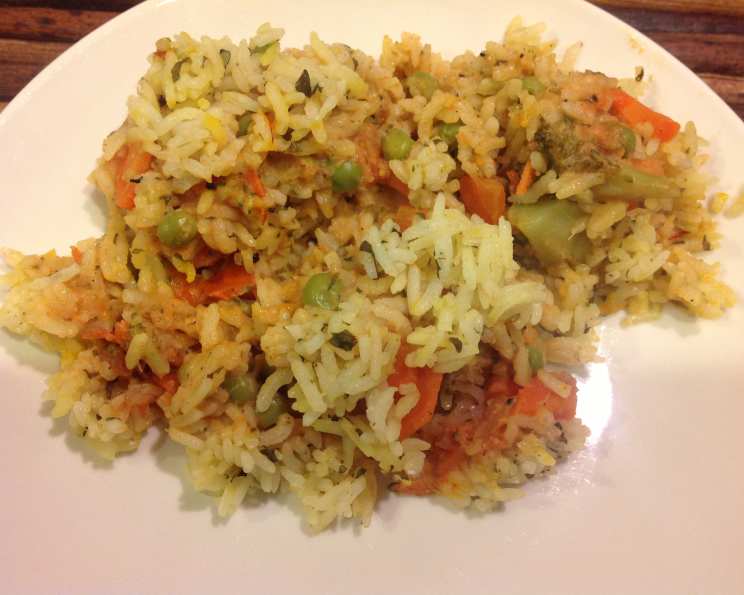
Vegetable Biryani: A Symphony of Flavors
The first time I tasted biryani, I was a child, visiting my grandmother in Hyderabad. The aroma alone was intoxicating – a heady blend of saffron, spices, and ghee that wafted through the entire house. My grandmother, a culinary magician, served it steaming hot, garnished with fresh cilantro and crispy fried onions. Each grain of rice was perfectly separate, infused with the rich flavors of the vegetables and spices. It was more than just a meal; it was an experience – a warm embrace of culture, tradition, and love that I’ve cherished ever since.
Recipe Overview
- Prep Time: 20 minutes
- Cook Time: 35 minutes
- Total Time: 55 minutes
- Servings: 4
- Dietary Type: Vegetarian
Ingredients
For the Rice:
- 3 cups cooked long-grain rice
- ½ teaspoon saffron (kesar)
- 2 tablespoons milk
- 4 tablespoons finely chopped mint leaves (phudina)
- Salt to taste
For the Gravy:
- 1 cup mixed boiled vegetables (cauliflower florets, peas, french beans)
- 2 bay leaves (tejpatta)
- 4 peppercorns
- 4 cloves (laung or lavang)
- 2 cups chopped tomatoes
- 1 teaspoon chili powder
- 1 teaspoon coriander powder
- 1 teaspoon cumin powder
- ¼ teaspoon asafoetida powder (hing)
- ¼ teaspoon ground nutmeg (jaiphal)
- ¼ cup tomato sauce
- ½ teaspoon cornflour, mixed with ½ cup milk
- ¼ cup cream
- 2 teaspoons kasuri methi (dried fenugreek leaves)
- ½ teaspoon sugar
- 2 tablespoons oil
- Salt to taste
Equipment Needed
- Large pan or pot with a tight-fitting lid
- Mixing bowls
- Measuring spoons and cups
Instructions
-
Prepare the Saffron Milk: In a small bowl, warm the milk. Add the saffron strands and rub them gently to release their color and aroma. This will create a vibrant yellow-infused milk.
-
Infuse the Rice: Gently add the saffron milk to the cooked rice. Also, mix in the finely chopped mint leaves and salt to taste. Stir gently to combine without mashing the rice. Set aside.
-
Prepare the Gravy Base: Heat the oil in a large pan or pot over medium heat. Once the oil is hot, add the bay leaves, peppercorns, and cloves. Sauté for about a minute until fragrant, being careful not to burn the spices.
-
Cook the Tomato Masala: Add the chopped tomatoes, chili powder, coriander powder, cumin powder, asafoetida powder, and ground nutmeg to the pan. Cook for several minutes, mashing the tomatoes continuously with the back of a spoon, until the oil starts to separate from the mixture. This step is crucial for developing a rich, flavorful gravy.
-
Add Tomato Sauce and Cornflour Mixture: Add the tomato sauce to the pan. In a separate small bowl, ensure the cornflour is thoroughly mixed with the milk to prevent lumps. Pour the cornflour-milk mixture into the tomato mixture.
-
Simmer and Thicken: Bring the gravy to a boil, then reduce the heat to low and simmer for a few minutes, stirring occasionally. The gravy should start to thicken slightly.
-
Incorporate the Cream and Vegetables: Add the cream and mix well. Then, add the mixed boiled vegetables (cauliflower florets, peas, and french beans) to the gravy. Mix gently to coat the vegetables evenly with the gravy.
-
Season and Finish: Add the kasuri methi (dried fenugreek leaves), crushing them lightly between your palms to release their aroma. Also, add the sugar and salt to taste. Mix well and remove the gravy from the heat.
-
Layer the Biryani: In a large, heavy-bottomed vessel or pot, heat 1 tablespoon of oil. Spread one-third of the saffron-infused rice evenly at the bottom of the pot to form the first layer.
-
Add Gravy and Rice Layers: Spread half of the vegetable gravy evenly over the rice layer. Then, add another one-third of the rice to create the next layer.
-
Final Layer: Spread the remaining half of the vegetable gravy over the second rice layer, and top with the remaining one-third of the rice.
-
Dum Cooking (Slow Cooking): Cover the pot with a tight-fitting lid. To ensure a good seal, you can use a strip of dough to seal the edges of the lid to the pot. This process, known as “dum cooking,” traps the steam and infuses the flavors throughout the biryani.
-
Cook on Low Heat: Cook the biryani on a very slow flame for 20 to 25 minutes. The slow cooking allows the flavors to meld together and the rice to absorb the gravy. To prevent burning, you can place a flat griddle or tawa underneath the pot.
-
Rest and Serve: Once cooked, remove the pot from the heat and let it rest for 5-10 minutes before opening the lid. This allows the flavors to settle. Gently fluff the biryani with a fork before serving.
Expert Tips & Tricks
- Rice Selection: Using aged basmati rice is key to a good biryani. The grains remain separate and don’t become sticky. Rinse the rice thoroughly before cooking to remove excess starch.
- Saffron Infusion: For a more intense saffron flavor, soak the saffron strands in warm milk for at least 30 minutes before adding it to the rice.
- Vegetable Variations: Feel free to experiment with different vegetables based on your preference and seasonal availability. Carrots, potatoes, and green beans are excellent additions.
- Browning Prevention: If you notice the bottom of the pot starting to brown too quickly during dum cooking, reduce the heat further or place a heat diffuser under the pot.
- Ghee Enhancement: For a richer flavor, drizzle a tablespoon of melted ghee over the biryani just before serving.
Serving & Storage Suggestions
Serve the vegetable biryani hot, garnished with fresh cilantro and a sprinkle of crispy fried onions. It pairs perfectly with raita (yogurt dip) or a simple salad. Leftover biryani can be stored in an airtight container in the refrigerator for up to 2-3 days. To reheat, sprinkle a little water over the biryani and microwave it until heated through. Alternatively, you can reheat it in a pan over low heat, stirring occasionally to prevent sticking. Freezing is not recommended as it can alter the texture of the rice and vegetables.
Nutritional Information
| Nutrient | Amount per Serving | % Daily Value |
|---|---|---|
| Calories | 380 kcal | 19% |
| Total Fat | 15g | 23% |
| Saturated Fat | 5g | 25% |
| Cholesterol | 25mg | 8% |
| Sodium | 150mg | 6% |
| Total Carbohydrate | 55g | 18% |
| Dietary Fiber | 4g | 16% |
| Sugars | 5g | – |
| Protein | 8g | 16% |
Note: Nutritional information is an estimate and may vary based on specific ingredients and portion sizes.
Variations & Substitutions
- Vegan Biryani: Substitute the cream with cashew cream or coconut cream for a vegan version. Ensure the milk used for the cornflour mixture is also plant-based, such as almond or soy milk.
- Gluten-Free Biryani: This recipe is naturally gluten-free, but always check the labels of your spices and tomato sauce to ensure they don’t contain any hidden gluten.
- Spice Level: Adjust the amount of chili powder to suit your spice preference. You can also add green chilies for extra heat.
- Protein Boost: Add paneer (Indian cheese) or tofu for a protein-rich biryani. Marinate the paneer or tofu in spices before adding it to the gravy.
FAQs (Frequently Asked Questions)
Q: Can I use brown rice instead of white rice?
A: Yes, you can use brown rice, but keep in mind that it will require a longer cooking time. Adjust the cooking time accordingly and ensure the brown rice is fully cooked before layering the biryani.
Q: What if I don’t have kasuri methi?
A: Kasuri methi adds a unique flavor to the biryani, but if you don’t have it, you can omit it or substitute it with a small amount of dried parsley or cilantro.
Q: How do I prevent the rice from becoming mushy?
A: Avoid overcooking the rice and use the correct ratio of water to rice. Also, be gentle when mixing the rice to prevent it from breaking.
Q: Can I make this ahead of time?
A: Yes, you can prepare the gravy a day in advance and store it in the refrigerator. Assemble the biryani just before cooking.
Q: What is “dum cooking” and why is it important?
A: “Dum cooking” is a slow cooking method where the pot is sealed to trap steam. This process helps to infuse the flavors throughout the biryani and ensures the rice is cooked evenly.
Final Thoughts
Vegetable biryani is more than just a dish; it’s a celebration of flavors, textures, and aromas. This recipe provides a foundation for creating your own personalized version of this classic Indian delight. Don’t hesitate to experiment with different vegetables, spices, and techniques to find your perfect biryani. Share your culinary creations with friends and family, and let the aromas of your kitchen tell a story of tradition, innovation, and deliciousness. Pair it with a refreshing mint raita or a cool cucumber salad for a complete and satisfying meal. Happy cooking!