
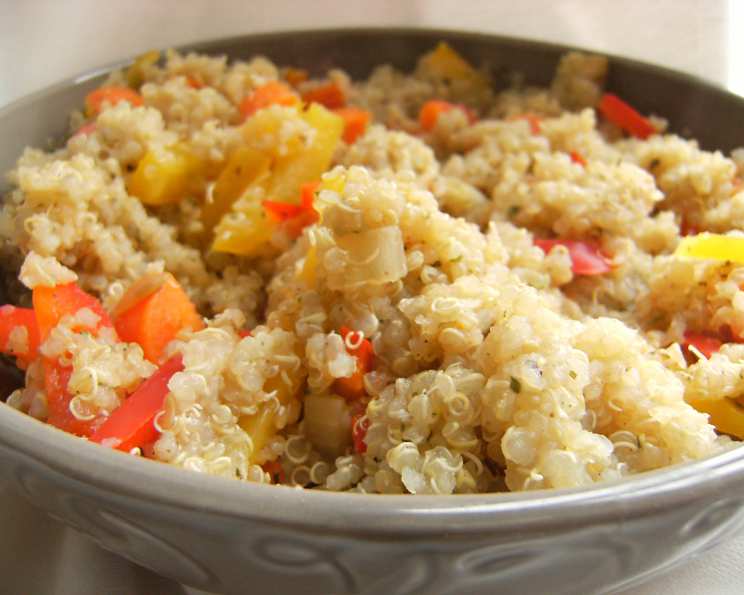
Vegetable Couscous: A Taste of Sunshine in Every Grain
My grandmother, bless her heart, wasn’t the most adventurous cook. Meat and potatoes were her domain. But one summer, a friend introduced her to couscous, and she was hooked. I remember sitting at her kitchen table, the aroma of sautéed vegetables and warm spices filling the air. It wasn’t her usual fare, but she served it with such pride, a little spark of culinary exploration in her eyes. This Vegetable Couscous recipe reminds me of that moment, a simple dish made with love and a touch of unexpected flair.
Recipe Overview
- Prep Time: 15 minutes
- Cook Time: 15 minutes
- Total Time: 30 minutes
- Servings: 4
- Dietary Type: Vegetarian
Ingredients
- 2 medium carrots, peeled and sliced
- 1 medium onion, diced
- ¼ cup julienned yellow sweet pepper
- ¼ cup julienned sweet red pepper
- 2 tablespoons olive oil
- 4 teaspoons dried basil
- ¼ teaspoon garlic salt
- ⅛ teaspoon pepper
- 1 dash hot pepper sauce (such as Tabasco, optional)
- 1 cup uncooked couscous
- 1 ½ cups chicken broth (vegetable broth for a vegetarian option)
Equipment Needed
- Large skillet
- Measuring cups and spoons
- Fork
Instructions
-
Begin by preparing your vegetables. Peel and slice the carrots. Dice the onion. Cut the yellow and red bell peppers into thin julienne strips. Having all your ingredients prepped and ready to go will make the cooking process smooth and efficient.
-
Heat olive oil in a large skillet over medium heat. Once the oil is shimmering, add the carrots, onion, and julienned peppers. Saute the vegetables for about 5-6 minutes, or until they are crisp-tender. You want them to soften slightly but still retain a bit of their bite. Stir frequently to prevent burning.
-
Next, add the dried basil, garlic salt, pepper, and hot pepper sauce (if using) to the skillet. Mix well to ensure the vegetables are evenly coated with the spices. This step infuses the dish with its aromatic flavor.
-
Stir in the uncooked couscous into the skillet with the vegetables and spices. Ensure the couscous is evenly distributed throughout the mixture.
-
Pour in the chicken broth (or vegetable broth) into the skillet. Bring the mixture to a boil, stirring occasionally to prevent the couscous from sticking to the bottom of the pan.
-
Once boiling, cover the skillet tightly with a lid. Remove the skillet from the heat and let it stand for 5-8 minutes. This allows the couscous to absorb the broth and become light and fluffy. It’s crucial to resist the urge to peek during this resting period.
-
After the resting period, fluff the couscous with a fork to separate the grains and release any trapped steam. This step is essential for achieving the perfect couscous texture – light, airy, and not at all clumpy.
-
Serve immediately and enjoy your flavorful Vegetable Couscous!
Expert Tips & Tricks
- Toast the Couscous: For a nuttier, more complex flavor, lightly toast the dry couscous in a dry skillet over medium heat for a few minutes before adding it to the vegetables. Watch it closely to prevent burning.
- Broth Temperature: Using hot or boiling broth can speed up the cooking process and help the couscous cook more evenly.
- Don’t Overcook: The key to perfect couscous is to avoid overcooking. If you find that the couscous is still a bit too firm after the resting period, add a tablespoon or two of additional broth and let it sit for another minute or two.
- Spice it Up: Experiment with different spices and herbs to customize the flavor profile. Cumin, coriander, turmeric, or even a pinch of saffron can add a unique touch.
- Vegetable Variety: Feel free to substitute or add other vegetables, such as zucchini, eggplant, bell peppers of different colors, or even some chopped spinach or kale for added nutrients.
Serving & Storage Suggestions
Serve the Vegetable Couscous hot as a side dish or a light main course. It pairs well with grilled chicken, fish, or tofu. You can also garnish it with fresh herbs like parsley or cilantro, a squeeze of lemon juice, or a sprinkle of toasted nuts.
Leftovers can be stored in an airtight container in the refrigerator for up to 3-4 days. To reheat, simply microwave for a minute or two, or gently warm in a skillet over low heat, adding a splash of broth or water if needed to prevent it from drying out.
Nutritional Information
| Nutrient | Amount per Serving | % Daily Value |
|---|---|---|
| Calories | 268.3 kcal | N/A |
| Calories from Fat | N/A | 26% |
| Total Fat | 7.7 g | 11% |
| Saturated Fat | 1.2 g | 5% |
| Cholesterol | 0 mg | 0% |
| Sodium | 309.8 mg | 12% |
| Total Carbohydrate | 41 g | 13% |
| Dietary Fiber | 4.1 g | 16% |
| Sugars | 3.3 g | N/A |
| Protein | 8.3 g | N/A |
Variations & Substitutions
- Gluten-Free: While traditional couscous is made from semolina (wheat), you can find gluten-free couscous alternatives made from corn or rice.
- Vegan: Ensure you use vegetable broth instead of chicken broth.
- Protein Boost: Add cooked chickpeas, lentils, or white beans for a heartier, protein-rich meal.
- Herbs & Spices: Experiment with different herbs and spices to customize the flavor. Try adding fresh mint, dill, or parsley, or spices like cumin, coriander, or turmeric.
- Dried Fruit & Nuts: Add a touch of sweetness and texture with dried cranberries, raisins, or chopped almonds or walnuts.
FAQs (Frequently Asked Questions)
Q: Can I make this recipe ahead of time?
A: Yes, you can prepare the Vegetable Couscous up to a day in advance. Store it in an airtight container in the refrigerator and reheat it gently before serving.
Q: Can I freeze this dish?
A: While couscous can be frozen, the texture may change slightly upon thawing. For best results, freeze in a single layer on a baking sheet before transferring to a freezer-safe bag or container.
Q: What kind of couscous should I use?
A: This recipe works best with regular couscous, also known as Moroccan couscous. Israeli couscous, which is larger and rounder, may require a longer cooking time.
Q: Can I use water instead of broth?
A: While you can use water, the broth adds a depth of flavor to the dish. Chicken or vegetable broth is recommended for the best results.
Q: Is it necessary to cover the skillet after removing it from the heat?
A: Yes, covering the skillet is essential for allowing the couscous to steam and absorb the broth properly.
Final Thoughts
Vegetable Couscous is more than just a recipe; it’s a versatile canvas for your culinary creativity. Whether you’re a seasoned chef or a kitchen novice, this dish is simple to master and endlessly adaptable. I encourage you to try this recipe, experiment with different vegetables and spices, and make it your own. Share your creations with friends and family, and let this humble grain bring a little sunshine to your table. Bon appétit!