
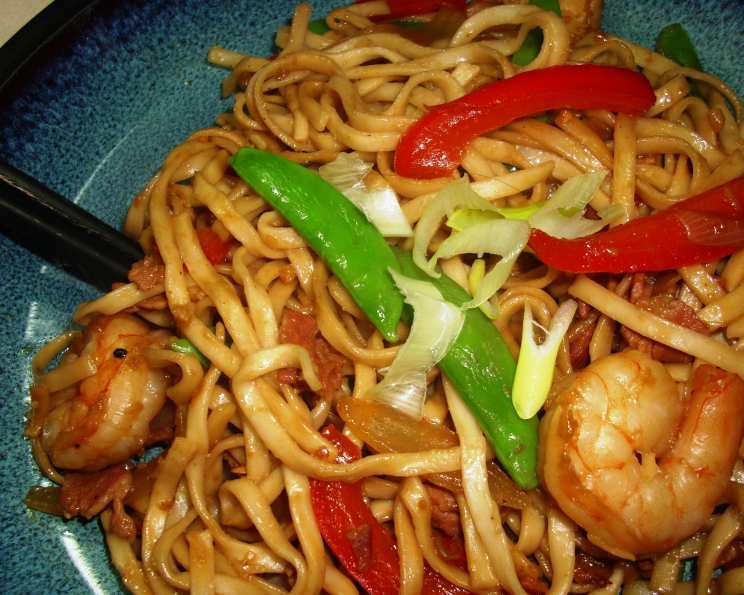
Sizzling Vegetable Lo Mein: A Symphony of Flavors
The aroma of ginger sizzling in hot oil, mingling with the savory scent of soy sauce, always transports me back to my college days. Late nights fueled by frantic studying were invariably punctuated by a shared container of vegetable lo mein from the local takeout place. The vibrant colors, the satisfying chew of the noodles, and the explosion of umami in every bite – it was more than just food; it was comfort, camaraderie, and a taste of home away from home. Recreating that experience, with a slightly healthier and even more flavorful twist, is a joy I want to share with you.
Recipe Overview
- Prep Time: 20 minutes
- Cook Time: 10 minutes
- Total Time: 30 minutes
- Servings: 4
- Yield: Approximately 6 cups
- Dietary Type: Vegetarian (easily adaptable to Vegan)
Ingredients
- 1 tablespoon vegetarian oyster sauce
- 1 teaspoon toasted sesame oil
- 1 1/2 teaspoons soy sauce
- 1/2 teaspoon salt
- 1/4 teaspoon pepper
- 3/4 cup vegetable broth
- 1 1/2 teaspoons cornstarch
- 1 lb fresh lo mein noodles or 1 lb spaghetti
- 3 tablespoons finely shredded fresh ginger
- 1/2 cup thinly sliced red onion
- 1 tablespoon canola oil
- 1 medium red pepper, slivered
- 1/2 cup sliced carrot
- 1 cup snow peas
- 2 ounces vegetarian bacon (optional: substitute with tofu or leave out)
Equipment Needed
- Small bowl
- Medium bowl
- Large saucepan
- Large wok or skillet
Instructions
-
Begin by preparing the flavor base. In a small bowl, combine the vegetarian oyster sauce, toasted sesame oil, soy sauce, salt, and pepper. Whisk until well blended. Set aside.
-
In a separate medium bowl, whisk together the vegetable broth and cornstarch until the cornstarch is completely dissolved. This is crucial to prevent lumps in your sauce later. Set aside.
-
Cook the noodles according to the package directions. If using fresh lo mein noodles, they usually cook very quickly, often in just a few minutes. If using spaghetti, cook it al dente. The key is to not overcook the noodles; they should still have a slight bite to them.
-
Once the noodles are al dente, immediately drain the water thoroughly. Return the drained noodles to the large saucepan and toss them with the oyster sauce mixture. Ensure the noodles are evenly coated to prevent sticking and to infuse them with flavor.
-
Now, it’s time to stir-fry the vegetables. Heat the canola oil in a large wok or skillet over medium-high heat. Once the oil is hot, add the finely shredded fresh ginger and thinly sliced red onion. Cook, stirring constantly, for about 30 seconds, or until the onion just begins to wilt and become slightly translucent. Be careful not to burn the ginger, as it can become bitter.
-
Add the slivered red pepper, sliced carrot, and snow peas to the wok or skillet. Stir-fry for 2 minutes, or until the vegetables are almost cooked but still have a slight crispness. We want them to retain some texture.
-
If using, add the vegetarian bacon (or your chosen substitute) to the wok or skillet. Pour in the vegetable broth-cornstarch mixture.
-
Bring the mixture to a boil and cook, stirring constantly, until the sauce is slightly thickened, about a minute. The cornstarch will gelatinize, creating a glossy, flavorful sauce that clings to the noodles and vegetables.
-
Add the noodles to the wok or skillet and toss well to combine everything thoroughly. Ensure the noodles, vegetables, and sauce are evenly distributed.
Expert Tips & Tricks
- Noodle Know-How: Using fresh lo mein noodles makes a difference, but good-quality spaghetti works in a pinch. Just be sure not to overcook them! For a gluten-free option, try rice noodles or gluten-free spaghetti.
- Ginger Zing: Don’t skimp on the fresh ginger! It’s a key flavor component. If you don’t have fresh ginger, you can use ginger powder, but the flavor won’t be as vibrant. Start with 1/2 teaspoon of ginger powder and adjust to taste.
- Veggie Variety: Feel free to customize the vegetables based on your preferences and what’s in season. Broccoli florets, shiitake mushrooms, bean sprouts, and bok choy are all excellent additions.
- Sauce Consistency: If the sauce is too thick, add a splash of vegetable broth to thin it out. If it’s too thin, cook it for another 30 seconds, stirring constantly, until it reaches the desired consistency.
- Make-Ahead Magic: You can prep the vegetables and the sauce mixture ahead of time. Store them separately in the refrigerator. When you’re ready to cook, simply stir-fry the vegetables, add the sauce, and then toss in the cooked noodles.
- Spice It Up: Add a pinch of red pepper flakes to the oyster sauce mixture for a little extra heat.
Serving & Storage Suggestions
Serve your Vegetable Lo Mein immediately while it’s hot and the noodles are still tender. Garnish with a sprinkle of toasted sesame seeds and some chopped green onions for a pop of color and flavor.
Leftovers can be stored in an airtight container in the refrigerator for up to 3 days. To reheat, you can microwave it for a few minutes, or stir-fry it in a wok or skillet with a little bit of oil or vegetable broth until heated through. Reheating in a pan will yield better texture.
Nutritional Information
(Estimated per serving)
| Nutrient | Amount per Serving | % Daily Value |
|---|---|---|
| Calories | 350 kcal | 18% |
| Total Fat | 12g | 18% |
| Saturated Fat | 2g | 10% |
| Cholesterol | 0mg | 0% |
| Sodium | 800mg | 35% |
| Total Carbohydrate | 50g | 17% |
| Dietary Fiber | 5g | 20% |
| Sugars | 5g | — |
| Protein | 10g | 20% |
Variations & Substitutions
- Vegan Lo Mein: Substitute the vegetarian oyster sauce with a vegan oyster sauce alternative or simply use more soy sauce and a touch of maple syrup for sweetness. Ensure your noodles are egg-free.
- Gluten-Free Lo Mein: Use gluten-free noodles, such as rice noodles or gluten-free spaghetti, and tamari instead of soy sauce. Double-check all other ingredients to ensure they are gluten-free.
- Protein Power: Add tofu, tempeh, or edamame for an extra boost of protein.
- Seasonal Vegetables: Adapt the recipe to the seasons. In the spring, try asparagus and sugar snap peas. In the fall, use butternut squash and Brussels sprouts.
- Spicy Sichuan Lo Mein: Add a tablespoon of Sichuan peppercorns to the oil when stir-frying the ginger and onions for a numbing heat. Include a splash of chili oil at the end.
FAQs (Frequently Asked Questions)
Q: Can I use dried noodles instead of fresh lo mein noodles?
A: Yes, you can use dried noodles, but be sure to cook them according to the package directions and avoid overcooking.
Q: What if I don’t have vegetarian oyster sauce?
A: You can substitute with more soy sauce and a touch of maple syrup or brown sugar to add a bit of sweetness.
Q: Can I add meat to this recipe?
A: Absolutely! Feel free to add cooked chicken, shrimp, or beef to the wok or skillet along with the vegetables.
Q: How do I prevent the noodles from sticking together?
A: Toss the noodles with the oyster sauce mixture immediately after draining them to prevent sticking. You can also add a small amount of oil to the noodles.
Q: Can I make this recipe ahead of time?
A: You can prepare the vegetables and sauce ahead of time and store them separately in the refrigerator. Cook the noodles just before serving to prevent them from becoming mushy.
Final Thoughts
Vegetable Lo Mein is a wonderfully versatile dish that can be adapted to suit your tastes and dietary needs. Whether you’re looking for a quick and easy weeknight meal or a comforting dish to share with friends and family, this recipe is sure to deliver. Don’t be afraid to experiment with different vegetables, sauces, and toppings to create your own signature version. So, grab your wok, gather your ingredients, and get ready to experience a symphony of flavors in every bite. I hope you enjoy this recipe as much as I do. Bon appétit!