
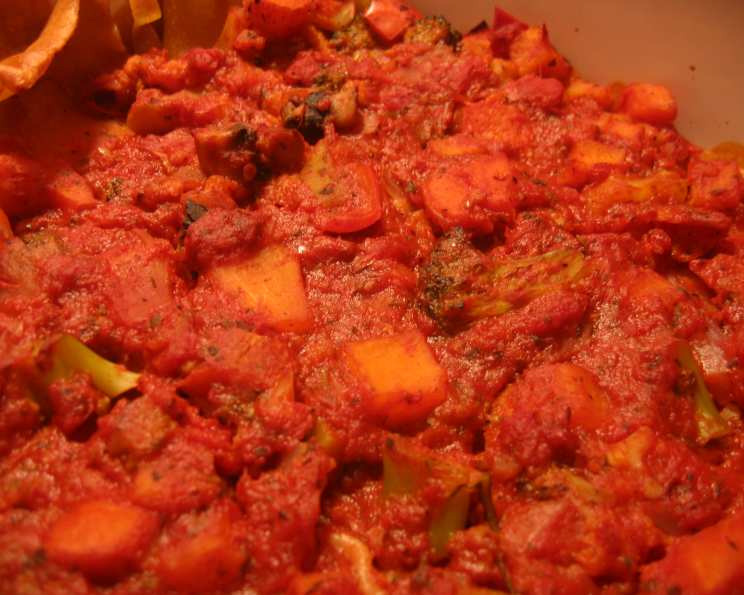
Vegetable No-Cheese Lasagna: A Comforting Classic Reinvented
The aroma of lasagna baking always brings me back to my grandmother’s kitchen. While her version was a symphony of rich cheeses and meaty ragu, my own dietary needs led me on a quest to recapture that comforting essence in a dairy-free and veggie-forward way. This vegetable no-cheese lasagna is the result – a dish that’s both nostalgic and entirely new, packed with flavor and goodness. It proves that you don’t need dairy to create a deeply satisfying and memorable lasagna experience.
Recipe Overview
- Prep Time: 45 minutes
- Cook Time: 60-75 minutes
- Total Time: 1 hour 45 minutes
- Servings: 6
- Dietary Type: Dairy-Free
Ingredients
- 9 lasagna noodles
- 1 cup red onion (diced)
- 4 teaspoons garlic
- 1 cup zucchini (diced)
- 1 cup yellow squash (diced)
- 1 cup carrot (diced)
- 1 cup mushroom (diced)
- 1 cup red pepper (diced)
- 1 cup broccoli (diced)
- 1 cup cauliflower (diced)
- 1 teaspoon Italian seasoning
- ¼ teaspoon red pepper flakes
- 1 teaspoon salt
- 1 teaspoon pepper
- 26 ounces tomato sauce (Classico Sweet Basil & Tomato)
- 2 cups cooked chicken breasts (diced, optional topping)
Equipment Needed
- Large skillet
- 9×9-inch baking pan
- Large pot for boiling noodles
Instructions
- Begin by preparing the vegetable mixture. In a large skillet, add all of the diced vegetables (red onion, garlic, zucchini, yellow squash, carrot, mushroom, red pepper, broccoli, and cauliflower) along with 2 teaspoons of extra virgin olive oil. Sauté the vegetables over medium heat for approximately 5 minutes, or until they begin to soften.
- Season the vegetables with salt, pepper, Italian seasoning, and red pepper flakes. Stir well to ensure the seasonings are evenly distributed.
- Pour in the tomato sauce (Classico Sweet Basil & Tomato) and stir to combine. Reduce the heat to low and simmer the vegetable mixture for 10 minutes, allowing the flavors to meld together. Stir occasionally to prevent sticking.
- While the vegetables are simmering, cook the lasagna noodles according to the instructions on the package. Be careful not to overcook them, as they will continue to cook in the oven. Aim for al dente. Drain the noodles and set them aside.
- Preheat your oven to 375°F (190°C).
- Assemble the lasagna in a 9×9-inch baking pan. Start by spreading a thin layer of the vegetable mixture on the bottom of the pan.
- Arrange a layer of lasagna noodles over the vegetable mixture. You may need to break or cut the noodles to fit snugly in the pan.
- Spoon 1/3 of the remaining vegetable mixture over the noodles, spreading it evenly.
- Repeat the layering process two more times: noodles, then vegetable mixture. The final layer should be the vegetable mixture.
- If desired, garnish the top of the lasagna with 2 cups of diced cooked chicken meat. This adds protein and flavor, but can be omitted for a fully vegetarian dish.
- Bake the lasagna in the preheated oven for 60-75 minutes. Check for veggie doneness – they should be tender and easily pierced with a fork. If the top begins to brown too quickly, you can loosely cover the pan with aluminum foil for the last 15-20 minutes of baking.
- Remove the lasagna from the oven and let it rest for 10-15 minutes before cutting and serving. This allows the lasagna to set and makes it easier to slice.
Expert Tips & Tricks
- Roast the vegetables for a deeper flavor: Instead of sautéing the vegetables, consider roasting them in the oven at 400°F (200°C) for 20-25 minutes. This intensifies their sweetness and adds a slightly smoky note to the lasagna.
- Make your own tomato sauce: For an even more flavorful lasagna, make your own tomato sauce from scratch using fresh or canned tomatoes, herbs, and spices.
- Add a touch of sweetness: A tablespoon of balsamic vinegar or a pinch of sugar can enhance the flavors of the tomato sauce and balance the acidity.
- Prevent soggy lasagna: Make sure to drain the cooked noodles well before assembling the lasagna. You can also pat them dry with paper towels to remove excess moisture.
- Make it ahead: Assemble the lasagna up to 24 hours in advance and store it in the refrigerator. Add about 15 minutes to the baking time.
Serving & Storage Suggestions
Serve the vegetable no-cheese lasagna hot, garnished with fresh basil or parsley (if available). A simple side salad of mixed greens with a light vinaigrette complements the richness of the lasagna.
Leftovers can be stored in an airtight container in the refrigerator for up to 3-4 days. To reheat, bake in a preheated oven at 350°F (175°C) until heated through, or microwave individual portions.
For longer storage, the lasagna can be frozen for up to 2-3 months. Thaw overnight in the refrigerator before reheating.
Nutritional Information
| Nutrient | Amount per Serving | % Daily Value |
|---|---|---|
| Calories | 214.1 kcal | N/A |
| Calories from Fat | N/A | N/A |
| Total Fat | 1.2 g | 1% |
| Saturated Fat | 0.2 g | 1% |
| Cholesterol | 0 mg | 0% |
| Sodium | 1067.2 mg | 44% |
| Total Carbohydrate | 45.2 g | 15% |
| Dietary Fiber | 5.9 g | 23% |
| Sugars | 10.5 g | N/A |
| Protein | 8.5 g | 17% |
Note: Nutritional information is an estimate and may vary depending on the specific ingredients used.
Variations & Substitutions
- Gluten-Free: Use gluten-free lasagna noodles to make this dish suitable for those with gluten sensitivities.
- Vegan: Omit the chicken topping to create a completely vegan version. You can also add a layer of plant-based ricotta or a cashew cream sauce for added richness.
- Different Vegetables: Feel free to substitute or add other vegetables based on your preferences or what’s in season. Spinach, eggplant, bell peppers (different colors), and artichoke hearts would all be delicious additions.
- Spicier Sauce: Add more red pepper flakes or a dash of hot sauce to the tomato sauce for a spicier kick.
FAQs (Frequently Asked Questions)
Q: Can I use fresh lasagna noodles instead of dried?
A: Yes, fresh lasagna noodles can be used. You may need to reduce the baking time slightly, as they will cook more quickly.
Q: Can I freeze the lasagna before baking?
A: Absolutely! Assemble the lasagna, cover it tightly with plastic wrap and then foil, and freeze for up to 2-3 months. Thaw completely in the refrigerator before baking as directed.
Q: Is it necessary to pre-cook the lasagna noodles?
A: While some modern lasagna recipes suggest using no-boil noodles, this recipe is designed for pre-cooked noodles for optimal texture and moisture control.
Q: Can I add cheese to this recipe if I’m not dairy-free?
A: Yes, if you’re not dairy-free, you can add layers of ricotta, mozzarella, and parmesan cheese for a more traditional lasagna.
Q: My lasagna is too watery. What did I do wrong?
A: Overcooked noodles or vegetables that released too much moisture can cause a watery lasagna. Be sure to cook the noodles al dente and drain them well. You can also add a tablespoon of cornstarch to the vegetable mixture to help thicken it.
Final Thoughts
This vegetable no-cheese lasagna is a testament to the fact that delicious comfort food can be both satisfying and tailored to your dietary needs. It’s a celebration of fresh vegetables, vibrant flavors, and the enduring appeal of a classic dish. I encourage you to give it a try, experiment with your favorite vegetables, and share your feedback. Pair it with a glass of robust red wine or a refreshing sparkling water with lemon for a complete and delightful meal.