
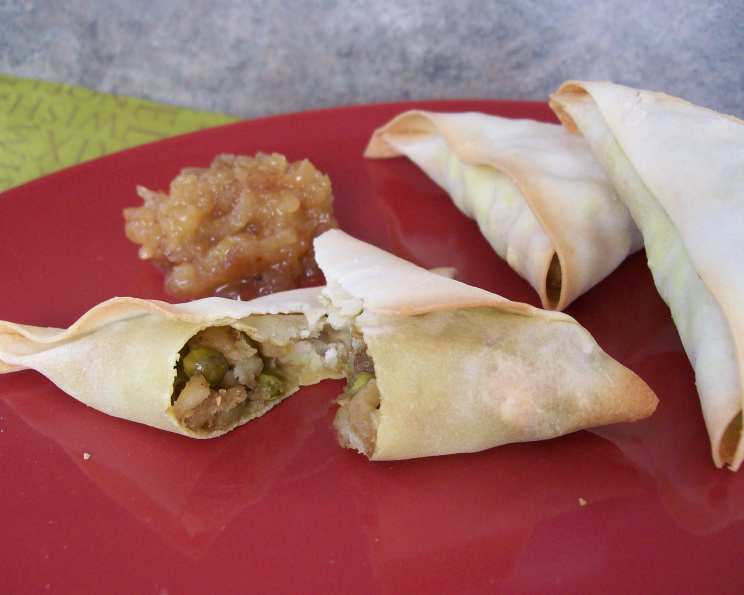
Aromatic Vegetable Samosa Filling: A Taste of Tradition
The aroma always takes me back. As a child, my grandmother would spend hours in the kitchen, the air thick with the scent of gently spiced potatoes, onions, and garlic. It wasn’t a special occasion; it was just a Tuesday. She’d hum quietly as she worked, occasionally sneaking me a tiny, perfectly diced potato, warm from the pan. Those potatoes, destined for her famous samosas, tasted like pure love. Now, whenever I make this filling, I’m instantly transported back to that kitchen, filled with warmth, family, and the promise of a delicious treat.
Recipe Overview
- Prep Time: 20 minutes
- Cook Time: 25 minutes
- Total Time: 45 minutes
- Servings: About 4 cups of filling (enough for approximately 20-24 samosas, depending on size)
- Yield: 4 cups
- Dietary Type: Vegan
Ingredients
- 4 tablespoons ghee (or vegetable oil for a vegan option)
- 1 lb potatoes, peeled and cut into ¼-inch dice
- 2 garlic cloves, peeled and minced
- 1 cup onion, peeled and finely chopped
- 1 teaspoon grated fresh ginger
- 2 teaspoons garam masala
- 1 tablespoon chopped fresh coriander
- ½ teaspoon turmeric
- 2 teaspoons lemon juice
- 1 cup frozen peas, thawed
- Salt and pepper to taste
Equipment Needed
- Large frying pan or skillet with a lid
- Cutting board
- Knife
- Measuring spoons and cups
- Mixing spoon
Instructions
- Heat a large frying pan or skillet over medium heat. Add the ghee (or vegetable oil). Allow the ghee to melt completely and shimmer, or the oil to heat through.
- Add the diced potatoes, minced garlic, chopped onion, and grated ginger to the pan.
- Cover the pan with a lid and cook on low heat for about 10 minutes. This step helps to “sweat” the potatoes down, softening them and releasing their starches. Stir the mixture occasionally to prevent sticking. Be careful not to brown the onions and garlic; you want them to become translucent and fragrant.
- Remove the lid and add the remaining ingredients: garam masala, chopped coriander, turmeric, lemon juice, and thawed peas. Season with salt and pepper to taste.
- Stir well to combine all the ingredients. Cover the pan again and continue cooking until the potatoes and peas are tender, approximately 10-15 minutes more. Stir occasionally to ensure even cooking and prevent sticking.
- To check for doneness, pierce a potato cube with a fork. It should be easily pierced without resistance. The peas should be bright green and plump.
- Once the potatoes are tender, remove the pan from the heat. Allow the filling to cool slightly before using it to fill samosas or serving as a side dish.
Expert Tips & Tricks
- Dice your vegetables uniformly: This ensures even cooking and a better overall texture.
- Don’t skip the sweating step: Cooking the potatoes, onions, garlic, and ginger covered on low heat allows them to soften and develop a deeper flavor without browning.
- Adjust the spices to your liking: If you prefer a spicier filling, add a pinch of chili powder or a finely chopped green chili along with the other spices. For a milder flavor, reduce the amount of garam masala.
- Make it ahead: The filling can be made a day or two in advance and stored in the refrigerator. This is a great time-saver when preparing samosas for a party.
- Add a touch of sweetness: A pinch of sugar or a drizzle of honey (if not vegan) can balance the spices and enhance the overall flavor.
- Prevent sticking: If the filling starts to stick to the pan during cooking, add a tablespoon or two of water or vegetable broth.
- For a smoother filling: Mash a portion of the cooked potatoes with a fork to create a creamier texture.
Serving & Storage Suggestions
This vegetable samosa filling is incredibly versatile. It can be used to fill homemade or store-bought samosa wrappers, egg roll wrappers, or even puff pastry. Once filled and sealed, the samosas can be deep-fried, baked, or air-fried until golden brown and crispy.
Serve the samosas hot with your favorite chutney, such as mint-coriander chutney, tamarind chutney, or mango chutney. They also pair well with raita, a cooling yogurt-based dip.
Leftover filling can be stored in an airtight container in the refrigerator for up to 3-4 days. Reheat gently in a pan on the stovetop or in the microwave until warmed through. You can also freeze the filling for longer storage (up to 2 months). Thaw it in the refrigerator overnight before reheating.
Nutritional Information
(Estimated per serving, based on 1/4 cup portion size, excludes wrappers)
| Nutrient | Amount per Serving | % Daily Value |
|---|---|---|
| Calories | 180 kcal | 9% |
| Total Fat | 10g | 15% |
| Saturated Fat | 5g | 25% |
| Cholesterol | 15mg | 5% |
| Sodium | 50mg | 2% |
| Total Carbohydrate | 20g | 7% |
| Dietary Fiber | 3g | 12% |
| Sugars | 5g | N/A |
| Protein | 4g | 8% |
Variations & Substitutions
- Gluten-Free: Use gluten-free samosa wrappers or create a potato-based crust for a gluten-free alternative.
- Spicier: Add finely chopped green chilies, red pepper flakes, or a dash of cayenne pepper.
- Other Vegetables: Incorporate other vegetables like cauliflower, carrots, green beans, or corn.
- Nuts and Raisins: Add chopped cashews, almonds, or raisins for added texture and sweetness.
- Greens: Stir in chopped spinach, kale, or collard greens for extra nutrients.
- Vegan Options: Replace ghee with vegetable oil or coconut oil.
- Regional Twist: Experiment with different spice blends like Madras curry powder or tandoori masala.
FAQs (Frequently Asked Questions)
Q: Can I use pre-cooked potatoes for this filling?
A: While it’s best to use raw potatoes for the optimal texture and flavor, you can use pre-cooked potatoes in a pinch. Just reduce the cooking time accordingly, adding them after the onions and garlic have softened.
Q: How can I prevent the samosas from becoming soggy after frying/baking?
A: Ensure the filling is not too moist before filling the samosas. Also, make sure the oil is hot enough when frying, or the oven is at the correct temperature when baking, to ensure the wrappers crisp up quickly.
Q: Can I freeze the filled samosas before cooking?
A: Yes, you can freeze the filled samosas. Place them on a baking sheet lined with parchment paper and freeze until solid. Then, transfer them to a freezer bag or container. Fry or bake them directly from frozen, adding a few extra minutes to the cooking time.
Q: What’s the best way to reheat leftover samosas?
A: Reheat leftover samosas in a preheated oven at 350°F (175°C) until warmed through and crispy, or in an air fryer for a few minutes. Microwaving can make them soggy.
Q: Can I make this filling without ghee?
A: Absolutely! Vegetable oil or coconut oil are excellent substitutes for ghee in this recipe.
Final Thoughts
This aromatic vegetable samosa filling is more than just a recipe; it’s a journey of flavors and memories. It’s a celebration of simple ingredients transformed into something truly special. I encourage you to try this recipe, experiment with the spices, and make it your own. Share it with your loved ones and create your own delicious memories. And don’t forget to let me know what you think – I’d love to hear about your samosa adventures!