
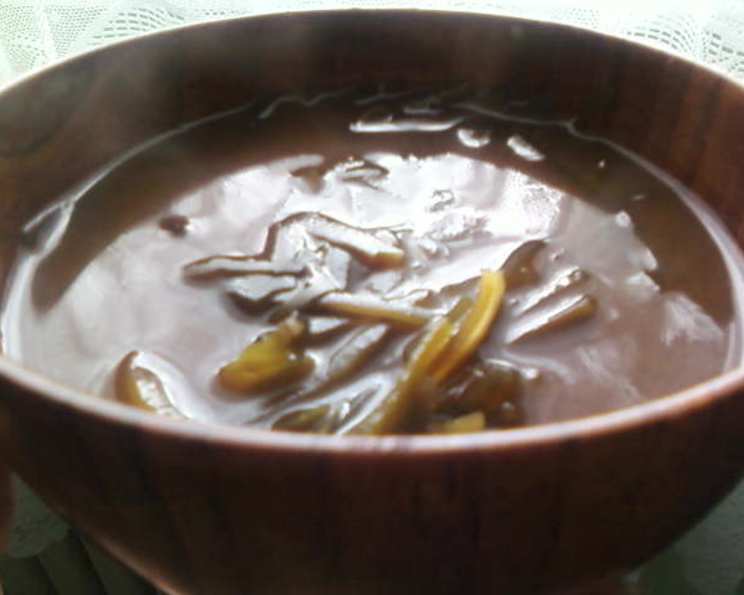
Vegetarian Miso Soup: A Bowl of Umami Comfort
The first time I tasted authentic miso soup, I was backpacking through Japan. It wasn’t in a fancy restaurant, but at a tiny, family-run ramen shop tucked away in a Kyoto alley. The steam rising from the dark bowl carried an aroma that was both earthy and subtly sweet. As I slurped the warm broth, a wave of comfort washed over me. The delicate balance of savory, salty, and umami flavors was unlike anything I’d experienced before. It felt like a warm hug on a chilly evening, and I knew I had to learn to recreate that magic back home.
Recipe Overview
- Prep Time: 5 minutes
- Cook Time: 15 minutes
- Total Time: 20 minutes
- Servings: 4
- Dietary Type: Vegetarian
Ingredients
- 5 cups vegetable stock (or mushroom stock)
- 1 piece kombu, about 5 inches square (kelp, a dried seaweed)
- 1 teaspoon soy sauce
- 3 tablespoons light miso (yellow or white)
- 2 scallions, chopped
- 2 ounces firm tofu, diced into small cubes
- 4 teaspoons wakame seaweed (instant)
Equipment Needed
- Soup pot
- Mixing bowl
- Wire whisk
Instructions
-
In a soup pot, combine the vegetable stock (or mushroom stock) and the kombu. Bring the mixture to a boil over medium-high heat.
-
Once boiling, cover the pot, remove it from the heat, and let it stand for 5 minutes. This allows the kombu to infuse its flavor into the stock.
-
After 5 minutes, strain the stock through a fine-mesh sieve, discarding the kombu. This ensures a clear and smooth broth. Return the strained stock to the pot.
-
Stir in the soy sauce to add depth of flavor to the base broth.
-
In a separate mixing bowl, measure out about ¼ cup of the warm stock. Add the light miso paste to the bowl.
-
Using a wire whisk, mix the warm stock and miso paste together until the miso is completely dissolved and forms a smooth slurry. This step is crucial to prevent clumps of miso in the final soup.
-
Pour the miso mixture back into the remaining stock in the soup pot. Stir gently to combine. Do not boil the soup after adding the miso, as boiling can destroy some of its delicate flavor and beneficial enzymes.
-
Divide the chopped scallions, diced tofu, and wakame seaweed evenly among four serving bowls.
-
Gently ladle the warm soup into each bowl, ensuring each serving gets an equal portion of the flavorful broth.
-
Serve immediately and enjoy the comforting warmth of your homemade miso soup.
Expert Tips & Tricks
- Don’t Boil the Miso: As mentioned earlier, avoid boiling the soup after adding the miso. High heat can kill the beneficial bacteria and diminish the delicate flavor of the miso.
- Miso Paste Variety: Experiment with different types of miso paste to find your favorite flavor profile. White miso is the mildest, while red miso is the strongest and saltiest. Yellow miso falls somewhere in between and is a good all-purpose choice.
- Kombu Re-Use: Don’t throw away the kombu after straining the stock! You can slice it thinly and add it to stir-fries or salads for a boost of umami flavor. It can also be simmered with soy sauce and sugar for a traditional Japanese side dish called kombu no tsukudani.
- Make-Ahead Tip: You can prepare the stock ahead of time and store it in the refrigerator for up to 3 days. Just add the miso paste, tofu, scallions, and wakame right before serving.
- Toasting Tofu: For a slightly different texture and flavor, try lightly toasting the tofu cubes in a dry pan before adding them to the bowls.
- Spice it Up: Add a pinch of red pepper flakes or a dash of chili oil for a touch of heat.
Serving & Storage Suggestions
Serve your homemade miso soup immediately while it’s warm. The garnishes—scallions, tofu, and wakame—are best enjoyed fresh.
If you have leftovers, store the soup in an airtight container in the refrigerator for up to 2 days. Note that the wakame seaweed may become a bit soft and slimy upon reheating, but the flavor will still be delicious. It is best to add fresh wakame when serving leftovers, if possible.
Reheat the soup gently on the stovetop over low heat, being careful not to boil it. You can also reheat it in the microwave in 30-second intervals, stirring in between, until heated through.
Nutritional Information
| Nutrient | Amount per Serving | % Daily Value |
|---|---|---|
| Calories | 60 kcal | 3% |
| Total Fat | 2g | 3% |
| Saturated Fat | 0g | 0% |
| Cholesterol | 0mg | 0% |
| Sodium | 400mg | 17% |
| Total Carbohydrate | 5g | 2% |
| Dietary Fiber | 1g | 4% |
| Sugars | 1g | 2% |
| Protein | 4g | 8% |
Nutritional information is an estimate and may vary based on specific ingredients used.
Variations & Substitutions
- Vegan Miso Soup: This recipe is already naturally vegetarian and vegan. Just ensure your vegetable stock is vegan-friendly.
- Gluten-Free Miso Soup: While miso paste is traditionally made with fermented soybeans, some varieties may contain barley or other gluten-containing grains. Check the label carefully to ensure your miso paste is certified gluten-free. Also, tamari can be used as a gluten-free alternative to soy sauce.
- Add Vegetables: Feel free to add other vegetables to your miso soup. Sliced mushrooms, spinach, carrots, or bean sprouts would all be delicious additions.
- Use Different Seaweed: If you can’t find wakame seaweed, you can substitute with other types of dried seaweed, such as nori or arame. Just adjust the amount accordingly, as different types of seaweed have different flavor intensities.
- Substitute Tofu: If you don’t have firm tofu on hand, you can use silken tofu for a softer texture. Just be more gentle when stirring to avoid breaking it apart. You can also use fried tofu for a different flavor profile.
- Dashi Substitute: If you cannot find Kombu, dashi granules can be used to enhance the umami flavour. However, Kombu is much more flavourful and contains more nutrients.
FAQs (Frequently Asked Questions)
Q: Can I make miso soup without kombu?
A: While kombu adds a depth of umami flavor, you can omit it if you don’t have it on hand. Consider using mushroom stock for an extra flavor boost, or adding a small amount of dried shiitake mushrooms to the stock while simmering.
Q: Can I use red miso instead of white or yellow miso?
A: Yes, you can, but red miso has a much stronger and saltier flavor. Start with a smaller amount (about 1-2 tablespoons) and adjust to taste.
Q: Is miso soup good for you?
A: Yes, miso soup is generally considered a healthy dish. It is low in calories and fat, and it contains probiotics, which are beneficial for gut health. It also provides essential nutrients like vitamins, minerals, and antioxidants. However, it can be high in sodium, so consume it in moderation.
Q: Can I freeze miso soup?
A: It’s not recommended to freeze miso soup with tofu and wakame, as the texture of these ingredients can change upon thawing. However, you can freeze the base broth (without the miso paste, tofu, and wakame) for up to 2 months. Thaw it in the refrigerator overnight and add the miso paste and other ingredients just before serving.
Q: How do I prevent the miso paste from clumping in the soup?
A: The key is to dissolve the miso paste in a small amount of warm stock before adding it to the rest of the soup. This creates a smooth slurry that will disperse evenly throughout the broth.
Final Thoughts
Creating a bowl of authentic miso soup in your own kitchen is not only achievable, but also incredibly rewarding. The warm, comforting flavors and simple ingredients come together to create a truly nourishing and satisfying dish. Don’t be afraid to experiment with different variations and find your perfect combination. I encourage you to try this recipe, share it with your loved ones, and let the magic of miso soup transport you to the tiny ramen shop in Kyoto, if only in your mind.