
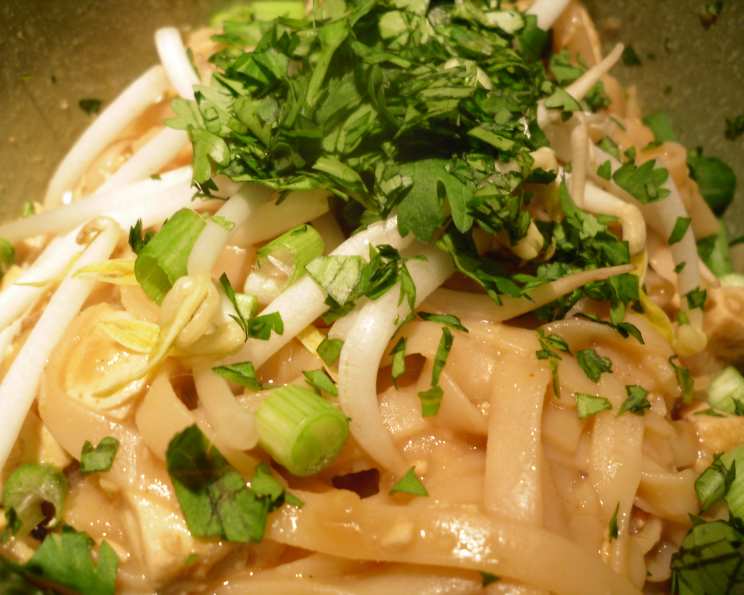
Aromatic Vegetarian Pho: Slow Cooker Simplicity
The scent of pho always transports me back to the bustling streets of Hanoi, where I first tasted this magical elixir. I remember stumbling upon a tiny, unassuming stall, the air thick with steam and the promise of something incredible. An elderly woman, her face etched with the wisdom of generations, ladled a steaming bowl of broth over rice noodles and fragrant herbs. That first slurp was a revelation – a symphony of flavors that danced on my tongue, warming me from the inside out. Ever since, I’ve been on a quest to recreate that authentic pho experience, and this slow cooker version brings me remarkably close, with the added bonus of hands-off convenience.
Recipe Overview
- Prep Time: 25 minutes
- Cook Time: 6 hours
- Total Time: 6 hours 25 minutes
- Servings: 4
- Yield: About 8 cups
- Dietary Type: Vegetarian
Ingredients
- 1 onion, chopped
- 1 green chili pepper, seeded and chopped
- 3 slices ginger
- 2 star anise, whole
- 1 cinnamon stick
- 3 tablespoons tamari (or your favorite soy sauce)
- 6 cups vegetable broth
- 1 tablespoon peanut oil
- 4 ounces seitan, cut into strips, optional (can substitute tofu or leave out)
- 3 tablespoons hoisin sauce
- 1 1/2 tablespoons lime juice
- 2 tablespoons barley miso (or regular miso; white miso works well)
- 2 tablespoons hot water
- 6 ounces rice noodles, soaked for 15 minutes in cold water and drained
- 1/2 cup bean sprouts, garnish
- 4 scallions, chopped, garnish
- 2 tablespoons cilantro, chopped, garnish
Equipment Needed
- Slow Cooker (Crock Pot)
- Large Skillet
- Small Bowl
- Small Cup or Dish
- Colander
Instructions
- In your slow cooker, combine the chopped onion, seeded and chopped green chili pepper, ginger slices, whole star anise, cinnamon stick, tamari, and vegetable broth.
- Cover the slow cooker and cook on low for 6 hours. This long, slow cooking time is essential for allowing the flavors to meld and deepen.
- While the broth simmers, prepare the optional seitan. Heat the peanut oil in a skillet over medium-high heat.
- Add the seitan strips to the skillet and brown on all sides. This adds a savory depth to the final dish. If you’re using tofu, be sure to press out any excess water before browning for the best texture.
- Remove the browned seitan from the heat and set aside.
- Once the broth has cooked for 6 hours, strain it through a fine-mesh sieve to remove the solids (onion, chili, ginger, star anise, cinnamon stick). Discard the solids. This ensures a smooth and clear broth.
- Return the strained broth to the slow cooker.
- In a small cup, combine the miso paste with the hot water, stirring until the miso is dissolved. This creates a smooth miso slurry that will easily incorporate into the broth.
- In a small bowl, combine the hoisin sauce and lime juice. Then, add the miso/water mixture to the hoisin-lime mixture and stir well.
- Add this mixture to the broth in the slow cooker and stir to combine.
- Stir in the drained rice noodles and seitan (if using).
- Cook for 5-10 minutes longer, or until the rice noodles are soft and tender. Be careful not to overcook the noodles, as they can become mushy. Check them frequently.
- To serve, ladle the soup into bowls and garnish generously with bean sprouts, chopped scallions, and chopped cilantro.
Expert Tips & Tricks
- Broth Depth: For an even richer broth, consider adding a few dried shiitake mushrooms to the slow cooker during the initial cooking stage. Remember to remove them with the other solids when you strain the broth.
- Spice Level: Adjust the amount of green chili pepper to your liking. For a milder pho, remove the seeds and membranes completely. For more heat, leave some or all of the seeds in. You can also add a dash of sriracha or chili oil to each serving for an extra kick.
- Miso Matters: White miso (shiro miso) has a milder, sweeter flavor than red miso (aka miso). If you’re using red miso, start with a smaller amount and taste as you go.
- Make-Ahead Magic: The broth can be made a day or two in advance and stored in the refrigerator. This allows the flavors to develop even further. Simply reheat the broth before adding the noodles and toppings.
- Noodle Know-How: Different brands of rice noodles cook at slightly different rates. Keep a close eye on them during the final cooking stage and adjust the cooking time as needed.
Serving & Storage Suggestions
Serve your Vegetarian Pho hot, garnished with plenty of fresh bean sprouts, scallions, and cilantro. A squeeze of fresh lime juice just before serving brightens the flavors even more.
Leftovers can be stored in an airtight container in the refrigerator for up to 3 days. The noodles will continue to absorb the broth, so they may become a bit softer over time. To reheat, gently warm the pho on the stovetop or in the microwave. You may need to add a little extra vegetable broth or water to loosen it up.
While you can technically freeze leftover pho, the texture of the noodles will suffer. It’s best to enjoy it fresh or within a few days.
Nutritional Information
| Nutrient | Amount per Serving | % Daily Value |
|---|---|---|
| Calories | 244.9 kcal | N/A |
| Calories from Fat | 37 g | 15 % |
| Total Fat | 4.1 g | 6 % |
| Saturated Fat | 0.7 g | 3 % |
| Cholesterol | 0.4 mg | 0 % |
| Sodium | 1030.9 mg | 42 % |
| Total Carbohydrate | 47.4 g | 15 % |
| Dietary Fiber | 2.4 g | 9 % |
| Sugars | 6.2 g | N/A |
| Protein | 4.5 g | 9 % |
Note: Nutritional information is an estimate and may vary depending on specific ingredients and portion sizes.
Variations & Substitutions
- Gluten-Free: Ensure you’re using gluten-free tamari and miso paste. Not all brands are gluten-free.
- Vegan Boost: This recipe is naturally vegan if you choose a seitan alternative like tofu or tempeh, or simply omit the seitan.
- Mushroom Mania: Experiment with different types of mushrooms, such as enoki, oyster, or shiitake, for added flavor and texture. Add them during the last 15 minutes of cooking.
- Seasonal Veggies: Feel free to add other vegetables that are in season, such as bok choy, spinach, or carrots. Add them during the last 5-10 minutes of cooking.
- Extra Protein: Edamame, fried tofu or even a sliced vegan sausage can add extra protein to this meal.
FAQs (Frequently Asked Questions)
Q: Can I use a different type of noodle?
A: While rice noodles are traditional for pho, you can experiment with other types of noodles, such as udon or soba noodles. Just be sure to adjust the cooking time accordingly.
Q: Can I make this in an Instant Pot instead of a slow cooker?
A: Yes, you can. Follow the same instructions, but cook on high pressure for 20 minutes, followed by a natural pressure release for 10 minutes.
Q: Can I add other spices to the broth?
A: Absolutely! Feel free to experiment with other spices, such as cloves, coriander seeds, or fennel seeds. Just be sure to add them sparingly, as they can easily overpower the other flavors.
Q: How do I prevent the noodles from becoming mushy?
A: The key is to not overcook the noodles. Add them to the broth only during the last 5-10 minutes of cooking and check them frequently. They should be tender but still have a slight bite.
Q: What if I don’t have miso paste?
A: While miso paste adds a unique umami flavor to the broth, you can omit it if you don’t have it on hand. You may want to add a little extra tamari or soy sauce to compensate for the lost flavor.
Final Thoughts
I sincerely hope this recipe helps you recreate the magic of authentic pho in your own kitchen. The beauty of this dish lies in its versatility, so don’t be afraid to experiment with different ingredients and flavor combinations to create your own signature version. Whether you’re a seasoned chef or a novice cook, I encourage you to give this recipe a try. And, if you decide to tweak this recipe I’d love to hear your thoughts! Perhaps even serve with a side of fresh spring rolls and a chilled glass of jasmine tea for a complete Vietnamese-inspired feast. Enjoy!