
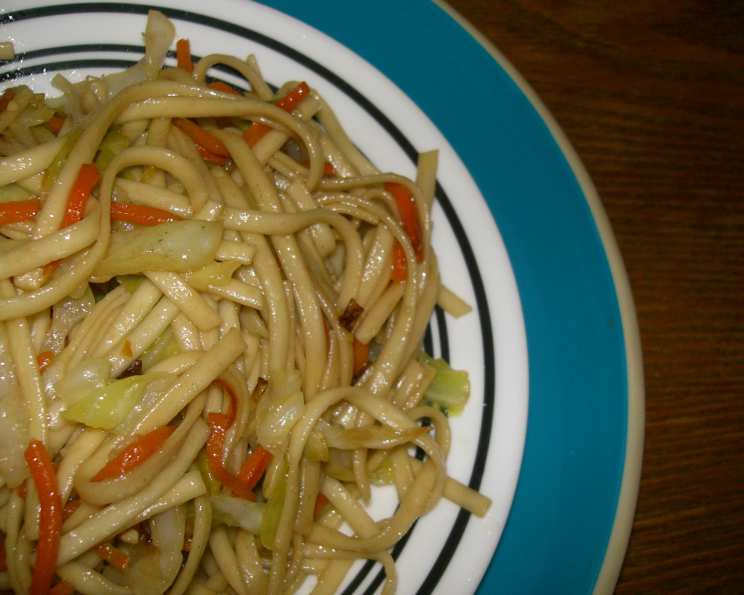
Vegetarian Yakisoba: A Flavorful Noodle Journey
The scent of sizzling garlic and soy sauce instantly transports me back to my college days. Late nights studying were often fueled by quick and satisfying meals, and yakisoba from the local Japanese takeout spot became a staple. The rich, savory flavors, the satisfying chew of the noodles, and the colorful array of vegetables were always a welcome treat. Recreating that simple comfort food with fresh ingredients at home is a joy, and this vegetarian version allows me to indulge without any compromise on flavor.
Recipe Overview
- Prep Time: 15 minutes
- Cook Time: 10 minutes
- Total Time: 25 minutes
- Servings: 4
- Dietary Type: Vegetarian
Ingredients
- 8 ounces soba noodles
- 1/4 cup soy sauce
- 1 tablespoon Worcestershire sauce (note, regular Worcestershire sauce contains fish) or 1 tablespoon vegetarian Worcestershire sauce
- 2 teaspoons sambal oelek or 2 teaspoons other hot chili paste
- 1/2 tablespoon sugar
- 2 teaspoons sesame oil
- 1 1/2 tablespoons vegetable oil
- 1 small onion, peeled and sliced
- 2 garlic cloves, minced
- 2 carrots, peeled and julienned
- 1/2 head cabbage, cored and shredded
- 4 scallion tops, chopped
- 1 tablespoon toasted sesame seeds (optional)
Equipment Needed
- Medium pot
- Colander
- Small bowl
- Large skillet or wok
Instructions
- Bring a medium pot of water to a boil.
- Cook the soba noodles in the boiling water for about 2 minutes or until they are al dente. Cooking any longer will cause the noodles to clump together. It’s better to slightly undercook them as they will continue to cook in the sauce later.
- Drain the noodles, rinse lightly with cold water and drain again. This step is very important to prevent the noodles from sticking together. The cold water stops the cooking process and washes away excess starch.
- Combine the soy sauce, Worcestershire sauce (or vegetarian alternative), chili paste, sugar, and sesame oil in a small bowl and set aside. Whisk the ingredients until the sugar is dissolved. This ensures the sauce is evenly distributed over the noodles and vegetables.
- Heat the vegetable oil in a large skillet or wok over medium-high heat. A wok is ideal because of its sloping sides, which allow for easy tossing and even cooking. A large skillet will also work well.
- When the oil is hot, add the onions, garlic, carrots, and cabbage. Cook for 3 to 5 minutes, stirring frequently, until the vegetables begin to soften and brown slightly. The goal is to caramelize them slightly, which brings out their natural sweetness.
- Add the soba noodles and the soy sauce mixture and cook just long enough to reheat the noodles and thoroughly coat them in the sauce. Be careful not to overcook the noodles at this stage. You want them to be heated through and coated in the sauce, but still retain their al dente texture.
- Serve garnished with the chopped scallions and toasted sesame seeds, if using.
Expert Tips & Tricks
- Noodle Nirvana: Don’t overcook your soba noodles! Overcooked noodles become mushy and clump together, ruining the texture of your yakisoba.
- Veggie Power: Feel free to experiment with different vegetables based on what you have on hand. Bell peppers, mushrooms, bean sprouts, and snow peas all work wonderfully.
- Sauce Boss: Adjust the amount of chili paste to your liking. If you prefer a milder flavor, start with a smaller amount and add more to taste.
- Wok Wonders: If you’re using a wok, heat it until it’s smoking hot before adding the oil. This will help prevent the vegetables from sticking and give them a nice sear.
- Make-Ahead Magic: The vegetables can be prepped ahead of time and stored in the refrigerator until you’re ready to cook. The sauce can also be made in advance. Just be sure to cook the noodles right before serving to prevent them from becoming sticky.
- Flavor Boost: A splash of rice vinegar at the end adds a bright, tangy flavor that complements the savory sauce.
- Protein Punch: Add some tofu or edamame for an extra boost of protein. Cubed tofu can be pan-fried or baked until crispy before adding it to the yakisoba.
Serving & Storage Suggestions
Serve your vegetarian yakisoba immediately while it’s hot and the noodles are still perfectly al dente. Garnish with fresh scallions and toasted sesame seeds for added flavor and visual appeal.
Leftovers can be stored in an airtight container in the refrigerator for up to 2 days. Reheat in a skillet or wok over medium heat, adding a splash of water or broth if needed to prevent the noodles from drying out.
Do not leave the cooked yakisoba at room temperature for more than two hours. While refrigeration is ideal, freezing is not recommended as the noodles can become mushy upon thawing.
Nutritional Information
| Nutrient | Amount per Serving | % Daily Value |
|---|---|---|
| Calories | 325.6 kcal | N/A |
| Calories from Fat | 72 g | 22% |
| Total Fat | 8 g | 12% |
| Saturated Fat | 1.1 g | 5% |
| Cholesterol | 0 mg | 0% |
| Sodium | 1540.8 mg | 64% |
| Total Carbohydrate | 57.5 g | 19% |
| Dietary Fiber | 3.9 g | 15% |
| Sugars | 8.5 g | 34% |
| Protein | 12.3 g | 24% |
Variations & Substitutions
- Gluten-Free Yakisoba: Use gluten-free soba noodles or rice noodles for a gluten-free version. Be sure to also use tamari instead of soy sauce.
- Vegan Yakisoba: Ensure you are using a vegetarian Worcestershire sauce alternative.
- Spicy Yakisoba: Increase the amount of chili paste or add a dash of chili oil for an extra kick.
- Seasonal Vegetables: Adapt the recipe to use seasonal vegetables. In the spring, asparagus and sugar snap peas are delicious additions. In the fall, try adding butternut squash or Brussels sprouts.
- Mushroom Medley: Add a variety of sautéed mushrooms, such as shiitake, cremini, and oyster mushrooms, for a richer, earthier flavor.
FAQs (Frequently Asked Questions)
Q: Can I use regular spaghetti noodles if I don’t have soba noodles?
A: While soba noodles provide a unique flavor and texture, you can substitute spaghetti noodles in a pinch. Just be sure to cook them al dente and rinse them well to prevent sticking.
Q: Is vegetarian Worcestershire sauce easy to find?
A: Vegetarian Worcestershire sauce can be found at most well-stocked grocery stores or online. Look for brands that use mushroom or vegetable-based ingredients to replicate the umami flavor.
Q: How can I make this recipe less salty?
A: Reduce the amount of soy sauce or use a low-sodium soy sauce. You can also add a splash of rice vinegar to balance the flavors.
Q: Can I add tofu to this recipe?
A: Absolutely! Cubed tofu can be pan-fried or baked until crispy and added to the yakisoba for an extra boost of protein.
Q: What’s the best way to toast sesame seeds?
A: Toast sesame seeds in a dry skillet over medium heat, stirring frequently, until they are golden brown and fragrant. Be careful not to burn them.
Final Thoughts
This vegetarian yakisoba is more than just a quick and easy meal; it’s a celebration of flavor and texture. The satisfying chew of the noodles, the vibrant colors of the vegetables, and the savory sauce create a dish that’s both comforting and exciting. So, gather your ingredients, fire up your wok (or skillet), and embark on your own yakisoba journey! And don’t be afraid to experiment with different vegetables and flavor combinations to create a dish that’s uniquely yours. Enjoy!