
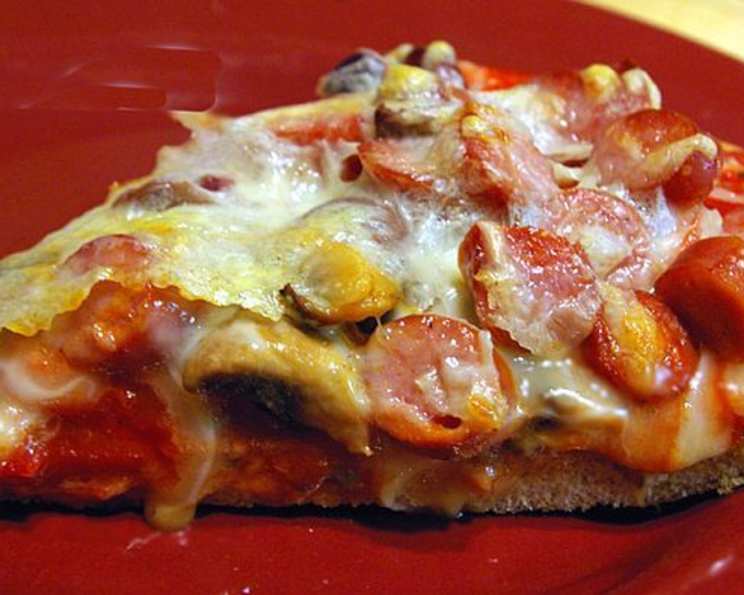
Veggie and Pepperoni Pizza: A Slice of Homemade Happiness
I’ll never forget the first time I made pizza from scratch. I was a teenager, armed with a cookbook and a can-do attitude, ready to impress my family. What I lacked in skill, I made up for in enthusiasm, and the resulting pizza, though a bit lopsided and slightly burnt, was devoured with gusto. That memory, the aroma of baking dough and the shared joy around the table, is exactly what I try to recreate every time I make pizza – a little slice of homemade happiness. Today, we’re making a Veggie and Pepperoni Pizza, a perfect balance of fresh flavors and savory goodness.
Recipe Overview
- Prep Time: 20 minutes
- Cook Time: 15 minutes
- Total Time: 35 minutes
- Servings: 8
- Yield: 2 pizzas
- Dietary Type: Omnivore
Ingredients
- 2 prepared pizza crusts
- 2 cups pizza sauce
- 2 tablespoons olive oil
- 8 ounces mozzarella cheese, shredded
- 8 ounces Italian cheese blend, shredded
- 1 (3 1/2 ounce) package pepperoni
- 2 roma tomatoes, sliced very thin
- 1 red bell pepper, chopped
- 1 green bell pepper, chopped
- 1/2 onion, chopped
Equipment Needed
- Oven
- Pizza stones or pizza pans (baking sheets can be used, but results may vary)
- Paper towels
- Cutting board
- Knife
- Measuring cups and spoons
Instructions
-
Begin by preheating your oven to 450°F (232°C). This high initial temperature will help the crust crisp up beautifully.
-
Next, prepare the pepperoni. Place the pepperoni slices between two sheets of paper towels. Gently press down to blot and remove any excess grease. This step is crucial; it will prevent your pizza from becoming overly oily during baking and ensures the pepperoni crisps up nicely.
-
Now, prepare the pizza crusts. Brush each prepared pizza crust with 1 tablespoon of olive oil. This helps to create a slightly golden, flavorful base and prevents the crust from becoming soggy when the sauce is added.
-
Spread 1 cup of pizza sauce evenly over each of the olive oil-brushed pizza crusts, leaving a small edge for the crust.
-
Evenly distribute the mozzarella cheese and Italian cheese blend over the sauce. Using a blend of cheeses provides a richer, more complex flavor profile.
-
Arrange the pepperoni slices over the cheese. Make sure to distribute them evenly across the pizza.
-
Layer the roma tomato slices carefully over the pepperoni, followed by the chopped red bell pepper, green bell pepper, and onion. Evenly distributing the veggies ensures every bite has a balanced flavor.
-
Reduce the oven temperature to 425°F (220°C). Place the pizzas onto pizza stones or pizza pans (if you don’t have either, baking sheets will work). The lower temperature helps the toppings cook through without burning the crust.
-
Bake for approximately 15 minutes, or until the crust is golden brown and the cheese is melted, bubbly, and slightly browned. Keep a close eye on the pizzas towards the end of the baking time to prevent burning. The exact baking time will depend on your oven.
-
Once baked to perfection, remove the pizzas from the oven and let them cool for a few minutes before slicing and serving.
Expert Tips & Tricks
- Blotting the Pepperoni: As mentioned earlier, blotting the pepperoni is essential for preventing a greasy pizza. Don’t skip this step!
- Pre-Baking the Crust (Optional): For an extra crispy crust, pre-bake the crust for 5 minutes before adding the toppings.
- Cheese Placement: Layering the cheese directly on top of the sauce helps to protect the crust from becoming soggy.
- Veggie Prep: Make sure the vegetables are finely chopped to ensure they cook evenly during the baking process.
- Pizza Stone Advantage: If you have a pizza stone, preheat it in the oven before placing the pizza on it. This will result in a crispier crust.
- Cheese Combination: Experiment with different cheese combinations. Provolone, fontina, or even a sprinkle of parmesan can add unique flavor dimensions.
Serving & Storage Suggestions
Serve the Veggie and Pepperoni Pizza immediately while it’s hot and the cheese is melted and gooey. Garnish with fresh basil leaves or a sprinkle of red pepper flakes for an extra touch of flavor and visual appeal.
Leftover pizza can be stored in an airtight container in the refrigerator for up to 3 days. To reheat, you can use a toaster oven, a conventional oven, or even a skillet. Reheating in a skillet with a lid helps to crisp up the crust. The microwave is an option, but the crust may become soggy.
While freezing is not recommended due to potential changes in texture, it can be done. Wrap individual slices tightly in plastic wrap, then place them in a freezer-safe bag. When ready to eat, thaw completely and reheat using one of the methods mentioned above.
Nutritional Information
(Approximate values per slice, assuming 8 slices per pizza)
| Nutrient | Amount per Serving | % Daily Value |
|---|---|---|
| Calories | 462 kcal | 23% |
| Total Fat | 28g | 43% |
| Saturated Fat | 12.8g | 64% |
| Cholesterol | 73.7mg | 25% |
| Sodium | 1398.4mg | 58% |
| Total Carbohydrate | 22.1g | 7% |
| Dietary Fiber | 2.6g | 10% |
| Sugars | 15.3g | N/A |
| Protein | 21g | 42% |
Note: Nutritional information is an estimate and may vary based on specific ingredients and portion sizes.
Variations & Substitutions
- Crust: Use a whole wheat crust for a healthier option or a gluten-free crust for those with dietary restrictions.
- Cheese: Experiment with different cheeses or use a dairy-free cheese alternative for a vegan version.
- Vegetables: Feel free to add or substitute vegetables based on your preferences and what’s in season. Mushrooms, olives, spinach, artichoke hearts, and roasted garlic are all delicious additions.
- Pepperoni: Try turkey pepperoni for a lower-fat option.
- Sauce: Pesto or a creamy garlic sauce can be used in place of traditional pizza sauce.
FAQs (Frequently Asked Questions)
Q: Can I use fresh pizza dough instead of prepared crusts?
A: Absolutely! If you have the time and desire, using fresh pizza dough will elevate the pizza even further. Just be sure to adjust the baking time accordingly.
Q: What if my vegetables release too much moisture during baking?
A: To prevent a soggy pizza, you can pre-cook the vegetables slightly before adding them to the pizza. Roasting or sautéing them for a few minutes will help to release excess moisture.
Q: Can I make this pizza ahead of time?
A: You can assemble the pizza ahead of time, but it’s best to bake it just before serving to prevent the crust from becoming soggy. If you need to prep in advance, keep the sauce and toppings separate until you’re ready to bake.
Q: How do I get the cheese to melt evenly?
A: Using freshly shredded cheese (rather than pre-shredded) will help it melt more evenly. Also, make sure the cheese is evenly distributed across the pizza.
Q: Is there a substitute for Italian cheese blend?
A: Yes, you can use any combination of cheeses that you like! Provolone, mozzarella, parmesan, and asiago are all great options.
Final Thoughts
This Veggie and Pepperoni Pizza is more than just a recipe; it’s an invitation to get creative in the kitchen and create a meal that your family will love. Feel free to experiment with different toppings and flavor combinations to make it your own. Whether you’re a seasoned chef or a beginner cook, this recipe is sure to bring a little slice of homemade happiness to your table. Don’t hesitate to share your creations and feedback – happy baking!